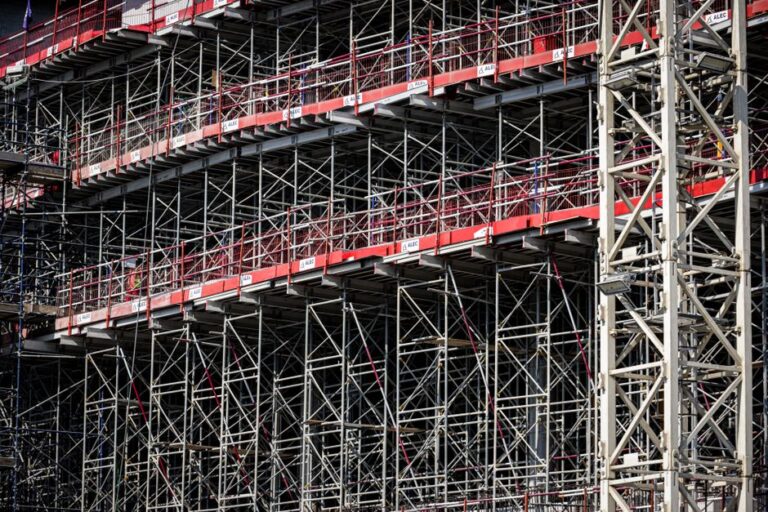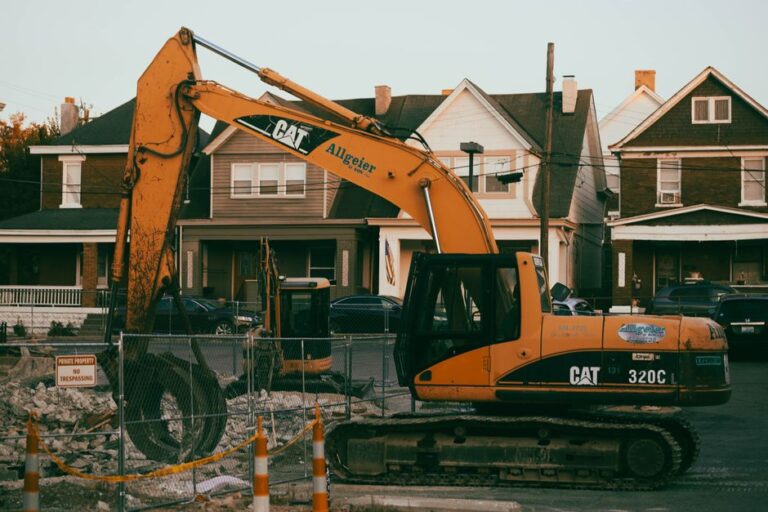
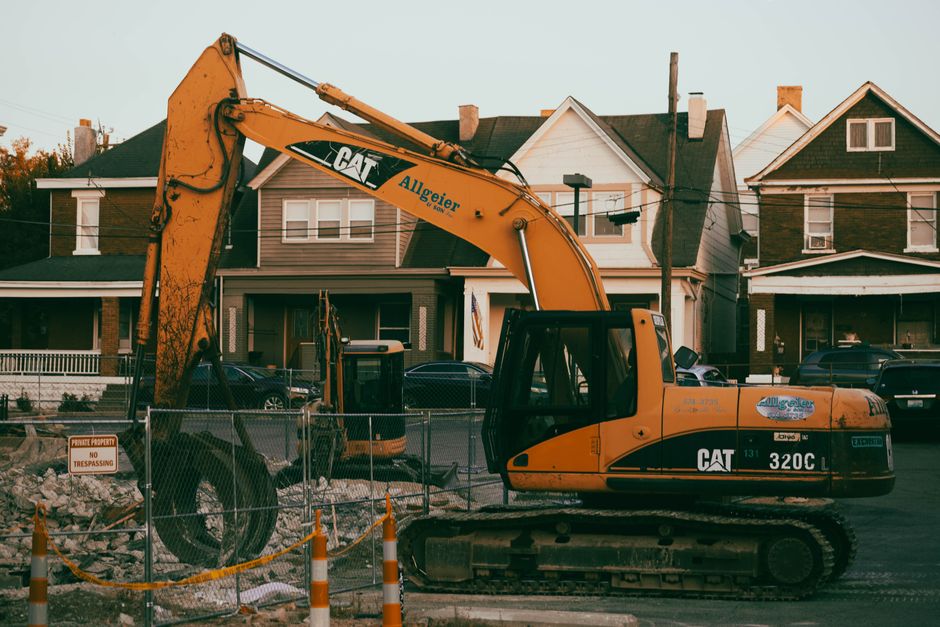
In the world of construction and renovation, the role of a demolition contractor is often overlooked, yet it is crucial for the successful completion of any project. These professionals are responsible for safely tearing down buildings and structures, preparing sites for new construction, and ensuring that all debris is properly disposed of. This article delves into the responsibilities, processes, and importance of hiring a qualified demolition contractor.
What Does a Demolition Contractor Do?
A demolition contractor specializes in the dismantling, demolition, and removal of structures. Their work can range from small residential projects to large commercial demolitions. A typical day for a demolition contractor involves assessing the site, developing a demolition plan, and executing the plan while adhering to safety regulations.
One of the primary responsibilities of a demolition contractor is to conduct thorough site assessments. They evaluate the structural integrity of the building to be demolished and identify potential hazards such as the presence of asbestos or lead paint. This assessment is critical, as it informs the contractor about the necessary precautions and procedures to follow during demolition.
In addition to site assessments, demolition contractors also develop comprehensive demolition plans. These plans outline the methods and equipment that will be used, the timeline for the project, and the safety measures that will be implemented. The goal is to ensure a smooth and efficient demolition process while minimizing risks to workers and the surrounding environment.
The Importance of Safety in Demolition
Safety is a paramount concern in demolition work. The demolition contractor must adhere to strict safety regulations set by governing bodies. This includes providing workers with the necessary safety gear, such as helmets, gloves, and eye protection, and ensuring that all equipment is up to code.
Moreover, contractors must have a thorough understanding of the potential risks associated with demolition work. For instance, the collapse of a structure can pose significant dangers, not only to workers but also to nearby buildings and individuals. Therefore, a well-prepared demolition contractor will implement controlled demolition techniques that prioritize safety.
Statistics show that construction sites are among the most hazardous workplaces, with a significant number of accidents occurring during demolition. This underscores the need for hiring qualified professionals who prioritize safety and have the necessary training and experience to handle complex demolition projects.
Choosing the Right Demolition Contractor
When it comes to selecting a demolition contractor, there are several factors to consider. First and foremost, you should check their credentials and experience. A reputable contractor will have the necessary licenses and certifications to operate legally and safely in your area.
It’s also advisable to look for testimonials and reviews from previous clients. This feedback can provide valuable insights into the contractor’s reliability, professionalism, and quality of work. Additionally, obtaining multiple quotes can help you compare pricing and services, ensuring you make an informed decision.
Finally, don’t hesitate to ask potential contractors about their safety record. A reliable demolition contractor will be proud to share their safety statistics and the measures they take to prevent accidents on the job site.
Environmental Considerations in Demolition
In recent years, there has been a growing emphasis on environmentally friendly demolition practices. Many demolition contractors now incorporate sustainable methods into their work, focusing on recycling and reusing materials whenever possible.
For instance, concrete and metal from demolished buildings can often be recycled and repurposed, significantly reducing waste sent to landfills. Some contractors also partner with local recycling facilities to ensure that recyclable materials are properly processed.
This shift towards sustainability not only benefits the environment but can also be cost-effective for clients. By reusing materials, clients can save money on new construction materials, making eco-friendly demolition an attractive option.
Future Trends in Demolition
The demolition industry is evolving, with new technologies and methods changing how demolition contractors operate. Innovations such as robotics and advanced machinery are making demolition safer and more efficient. These technologies enable contractors to perform tasks with greater precision and less risk to workers.
Additionally, the rise of smart technology in construction is influencing demolition practices. Contractors can now utilize data analytics to assess site conditions and plan demolitions more effectively. This data-driven approach can lead to better outcomes and increased safety.
As the industry continues to evolve, staying informed about these trends is essential for anyone considering a demolition project. Engaging with a qualified demolition contractor who is knowledgeable about the latest technologies can ensure a successful project.
Conclusion
The role of a demolition contractor is vital in the construction industry. From ensuring safety to implementing environmentally friendly practices, these professionals are key to the successful execution of demolition projects. By understanding their responsibilities and the factors to consider when hiring one, property owners can make informed decisions that lead to safe and efficient demolitions.
About the Author