
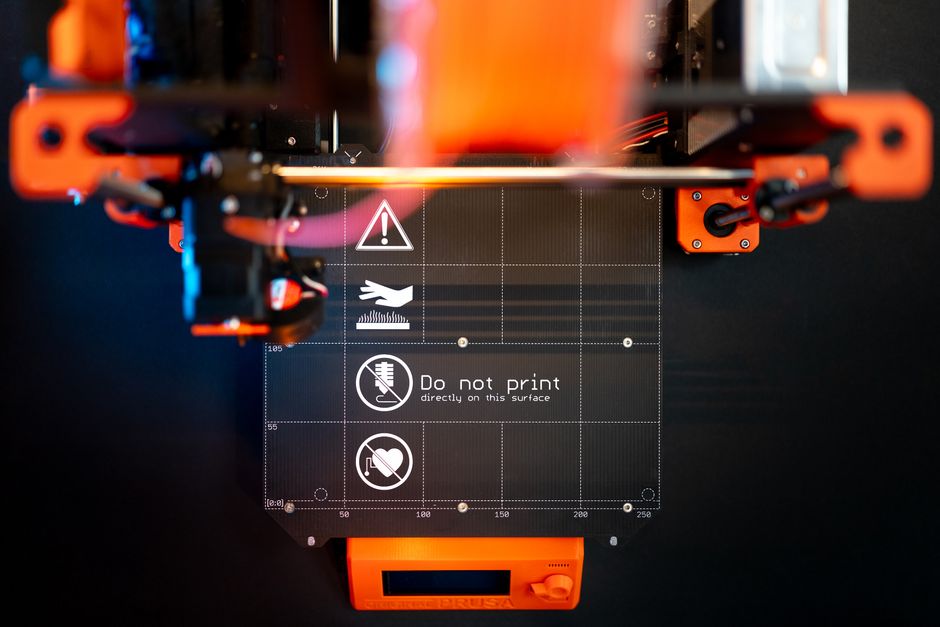
The advent of 3D printing technology has revolutionized various industries, from manufacturing to healthcare. As this innovative technology continues to evolve, the demand for 3D printing service providers is on the rise. This article delves into the transformative effects of 3D printing services and how they are reshaping the landscape of production and design.
Understanding 3D Printing Technology
3D printing, also known as additive manufacturing, involves creating three-dimensional objects from a digital file. The process begins with designing a 3D model using computer-aided design (CAD) software. Once the model is ready, it is sliced into thin horizontal layers, and the printer builds the object layer by layer. Various materials such as plastics, metals, and even biological materials can be used in this process.
One of the most significant advantages of 3D printing is its ability to produce complex shapes that would be challenging or impossible to create using traditional manufacturing methods. This capability allows for greater creativity and innovation in product design.
Additionally, 3D printing offers rapid prototyping, enabling designers and engineers to create prototypes quickly and efficiently. This speed significantly reduces the time from concept to production, which is crucial in today’s fast-paced market.
The Role of 3D Printing Services in Modern Manufacturing
As industries race to adopt new technologies, 3D printing services have become essential for businesses looking to stay competitive. These services provide companies with access to advanced printing equipment and expertise without the need for substantial capital investment.
Many manufacturers leverage 3D printing for low-volume production runs, which is particularly beneficial for customized products. For example, the automotive industry has embraced 3D printing to produce spare parts on demand, reducing inventory costs and improving supply chain efficiency.
Moreover, the ability to create lightweight components through 3D printing is revolutionizing industries such as aerospace, where every gram counts. Companies are now able to design parts that maintain structural integrity while minimizing weight, leading to significant fuel savings and improved performance.
Applications of 3D Printing Services in Healthcare
The healthcare sector is experiencing a significant transformation due to the introduction of 3D printing technologies. Custom prosthetics, dental implants, and even bioprinted tissues are just a few examples of how this technology is being utilized. 3D printing services are crucial in creating patient-specific solutions that enhance the quality of care.
For instance, surgeons can use 3D-printed models of a patient’s anatomy to plan complex procedures more effectively. This level of customization leads to better surgical outcomes and shorter recovery times.
Furthermore, the potential for 3D printing to produce medical devices on demand can address issues related to supply shortages, particularly in times of crisis, such as the COVID-19 pandemic. This adaptability highlights the value of 3D printing services in a rapidly changing healthcare landscape.
Challenges and Future Prospects of 3D Printing Services
While the benefits of 3D printing services are numerous, several challenges remain. Issues related to material properties, regulatory compliance, and intellectual property rights are ongoing discussions within the industry. Companies must navigate these challenges carefully to harness the full potential of 3D printing.
Looking ahead, the future of 3D printing services appears bright. As technology continues to advance, we can expect to see improvements in printing speed, material diversity, and scalability. Innovations such as multi-material printing and 4D printing, where objects can change shape over time, are on the horizon.
Moreover, as sustainability becomes a more pressing concern, 3D printing offers opportunities for reducing waste in manufacturing processes. By using only the necessary material to create an object, companies can significantly lower their environmental impact.
Conclusion
In conclusion, 3D printing services are playing a pivotal role in shaping the future of manufacturing and design across various industries. The technology’s ability to create customized, complex objects efficiently is transforming traditional production methods. As the industry continues to evolve, businesses that embrace 3D printing services will be well-positioned to thrive in an increasingly competitive market. With ongoing advancements and a growing understanding of its applications, the potential of 3D printing is limitless.
About the Author