
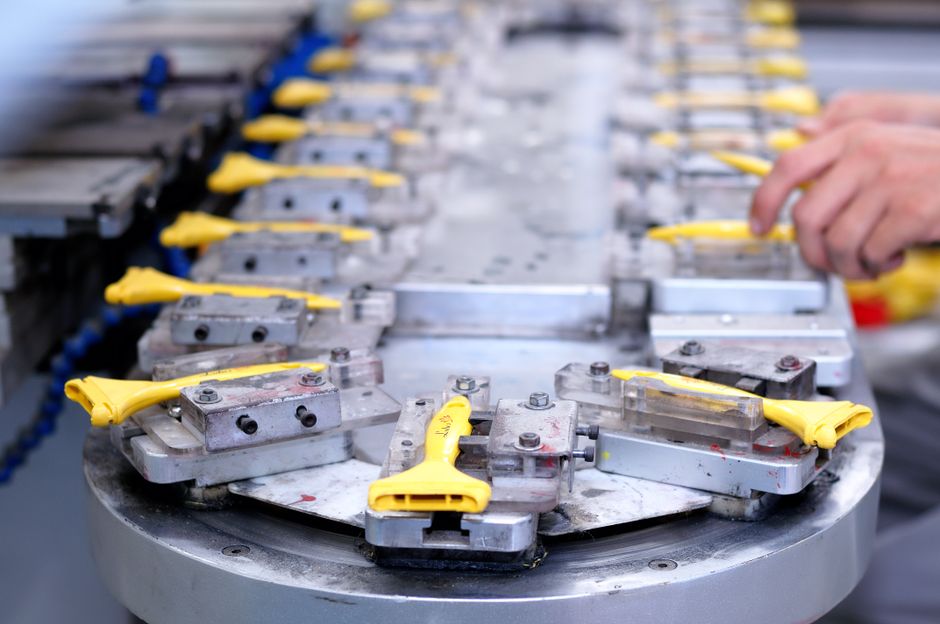
Rubber molding has become an integral process in various industries, providing innovative solutions for product design and manufacturing. Understanding the role of rubber molding manufacturers is crucial for businesses looking to utilize this technology effectively. This article explores the intricate world of rubber molding, the benefits it offers, and the key players in the industry.
What is Rubber Molding?
Rubber molding is a manufacturing process that involves shaping rubber materials into desired forms through heating and pressure. The process begins with raw rubber, which is mixed with additives to enhance its properties. Once prepared, the rubber is placed into a mold, where it is subjected to heat and pressure, allowing it to take the shape of the mold. This technique is widely used in various applications, ranging from automotive parts to consumer goods.
The versatility of rubber molding allows manufacturers to create complex shapes and intricate designs that would be challenging to achieve with other materials. This is particularly beneficial for industries that require precise components, such as electronics and medical devices. The durability and flexibility of rubber further make it an ideal choice for many applications.
The Benefits of Using Rubber Molding
One of the most significant advantages of rubber molding is cost-effectiveness. Once a mold is created, it can be used to produce thousands of identical parts, significantly reducing production costs over time. Additionally, rubber molding allows for rapid prototyping, enabling manufacturers to test designs quickly and efficiently.
Moreover, the strength and resilience of rubber products make them suitable for various environments, including extreme temperatures and harsh conditions. This durability can lead to longer product lifespans, reducing the need for frequent replacements and contributing to lower overall costs for businesses.
Types of Rubber Molding Processes
There are several types of rubber molding processes, each with its unique advantages. The most common methods include compression molding, transfer molding, and injection molding. Compression molding is the simplest and most widely used method, where rubber is placed into a heated mold and compressed to form the desired shape.
Transfer molding, on the other hand, involves transferring rubber from a pot into the mold using a plunger. This method is ideal for complex shapes and provides better control over the material flow. Lastly, injection molding offers the highest precision and is suitable for high-volume production. Each method has its specific applications, and manufacturers must choose the one that best suits their needs.
Choosing the Right Rubber Molding Manufacturer
When selecting a rubber molding manufacturer, businesses should consider several factors. Quality assurance is paramount; manufacturers should have stringent quality control processes in place to ensure that every product meets industry standards. Furthermore, experience in the specific industry can provide valuable insights and enhance collaboration.
It’s also essential to evaluate the manufacturer’s capabilities, including the types of molds they can create and the range of rubber materials they work with. Communication is key; a manufacturer that is responsive and transparent can help facilitate a smoother production process. For those looking to understand more about this, working with a fabricante moldeo caucho can provide additional insights into the options available.
Future Trends in Rubber Molding
The rubber molding industry is continuously evolving, with new technologies and materials emerging. One of the most notable trends is the increasing use of eco-friendly materials, as manufacturers seek to reduce their environmental impact. Innovations in manufacturing processes, such as automation and 3D printing, are also transforming the landscape, allowing for greater efficiency and customization.
Additionally, industries are increasingly focusing on sustainability, leading to a demand for recyclable and biodegradable rubber products. Manufacturers that adapt to these trends will likely gain a competitive edge, as they can cater to the changing preferences of consumers and businesses alike.
Conclusion
Rubber molding is a vital process that plays a significant role in modern manufacturing. By understanding the benefits, types, and future trends of rubber molding, businesses can make informed decisions when selecting a manufacturer. As the industry continues to evolve, staying updated on new technologies and practices will be crucial for maintaining a competitive advantage.
About the Author