Sheet metal fabrication is a vital process in many industries, from automotive to aerospace. It involves transforming flat sheets of metal into desired shapes through various techniques including cutting, bending, and assembling. This process not only requires a good understanding of materials but also the right technology and tools to ensure precision and efficiency. In this article, we will explore the key aspects of sheet metal fabrication, its applications, and how it can benefit your projects.
What is Sheet Metal Fabrication?
At its core, sheet metal fabrication is the process of manipulating metal sheets to create parts and structures. It begins with the selection of the appropriate metal, which can vary from steel and aluminum to copper and brass. The choice of material often depends on the specific requirements of the project, such as strength, weight, and corrosion resistance.
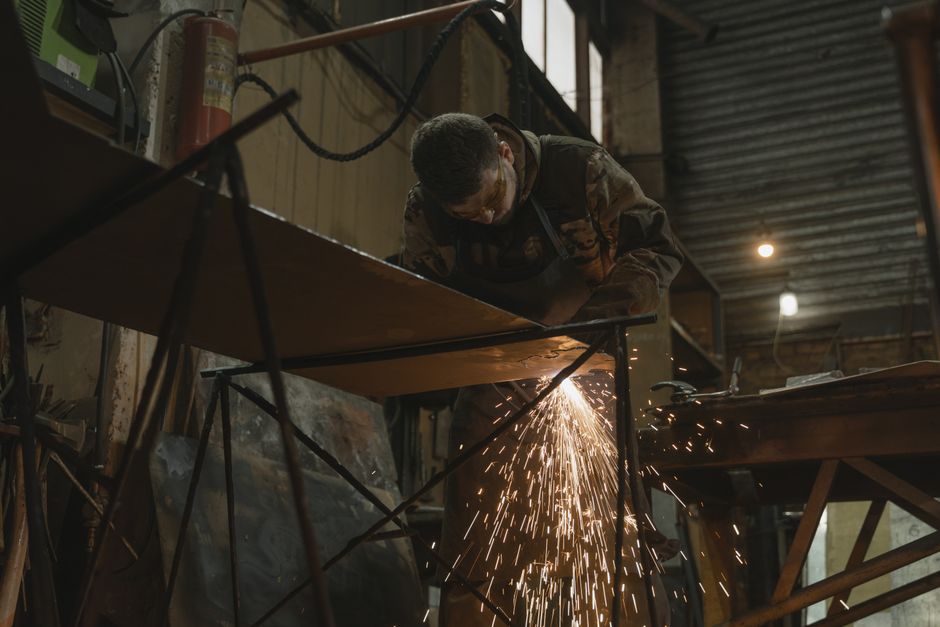
The fabrication process involves several steps: cutting, punching, bending, and assembling. Each of these steps plays a critical role in ensuring that the final product meets design specifications. For instance, cutting can be done using lasers, shears, or plasma, while bending may involve press brakes or other machinery designed to apply precise force to the metal.
Applications of Sheet Metal Fabrication
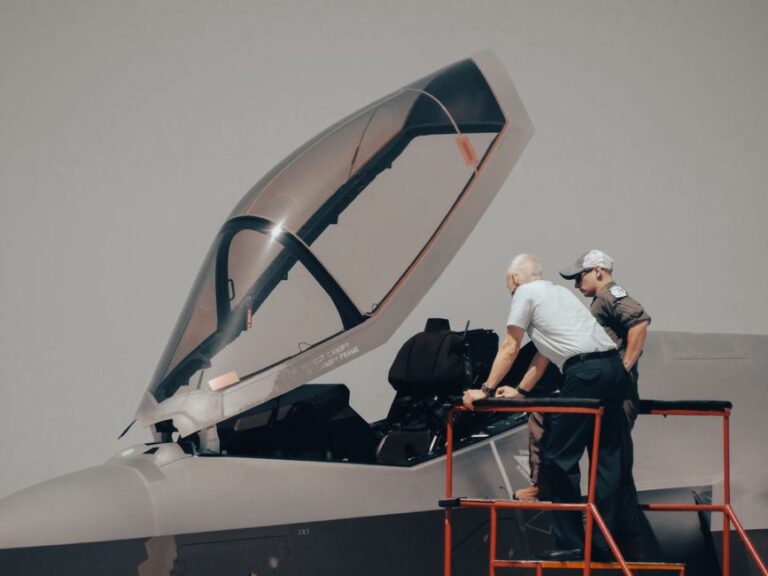
Sheet metal fabrication is utilized in numerous fields, including construction, automotive, and electronics. In the construction industry, it is commonly used for roofing, siding, and HVAC ductwork. Automotive manufacturers rely on it for producing components like chassis and body panels. In the electronics sector, sheet metal is often used to create enclosures for devices, ensuring protection and durability.
Furthermore, the versatility of sheet metal fabrication allows for the creation of custom solutions tailored to specific needs. For example, many companies offer bespoke services that cater to unique design requirements, allowing businesses to stand out in a competitive marketplace.
Innovations in Sheet Metal Fabrication
The sheet metal fabrication industry has seen significant advancements in recent years, largely due to technology. Automation and computer-aided design (CAD) have revolutionized traditional methods, making processes faster and more accurate. With the implementation of robotic systems, manufacturers can achieve higher levels of efficiency and consistency in production.
Additionally, the rise of additive manufacturing (3D printing) is beginning to influence the sheet metal industry. While traditional methods focus on subtractive processes, 3D printing allows for the creation of complex geometries that might be difficult or impossible to achieve with conventional techniques. This integration of new technologies is shaping the future of sheet metal fabrication.
Choosing the Right Fabrication Partner
When selecting a sheet metal fabrication partner, it is crucial to consider several factors. Quality assurance and experience are paramount; a reputable fabricator should have a track record of delivering high-quality products consistently. It’s also essential to evaluate their capabilities in terms of machinery and technology, as these resources directly impact the precision and efficiency of the fabrication processes.
Moreover, communication plays a vital role in ensuring that the final product meets your expectations. A good fabrication partner will collaborate closely with you throughout the design and production process, providing insights and suggestions that can enhance the final outcome.
The Future of Sheet Metal Fabrication
As industries continue to evolve, the demand for innovative and efficient sheet metal fabrication solutions will grow. Sustainability is becoming increasingly important, with many companies striving to reduce waste and energy consumption in their processes. This shift towards greener practices not only benefits the environment but can also lead to cost savings for manufacturers.
In conclusion, sheet metal fabrication is an essential process that plays a significant role in various industries. With advancements in technology and a focus on sustainability, the future looks promising for this field. By understanding its intricacies and choosing the right partners, businesses can leverage the benefits of sheet metal fabrication to enhance their operations and products.
About the Author