
In today’s competitive business landscape, the importance of a well-designed interior cannot be overstated. A commercial interior designer plays a pivotal role in shaping the environment where businesses operate, influencing not only aesthetics but also functionality and employee productivity. This article delves into the multifaceted role of commercial interior designers, highlighting their significance in various industries and providing insights into the design process.
Understanding Commercial Interior Design
Commercial interior design encompasses a wide range of environments, including offices, retail spaces, restaurants, and healthcare facilities. Unlike residential design, which often prioritizes personal taste, commercial design focuses on creating spaces that enhance the user experience while meeting the specific needs of a business. This can involve everything from choosing color palettes and furnishings to optimizing layouts for efficiency.
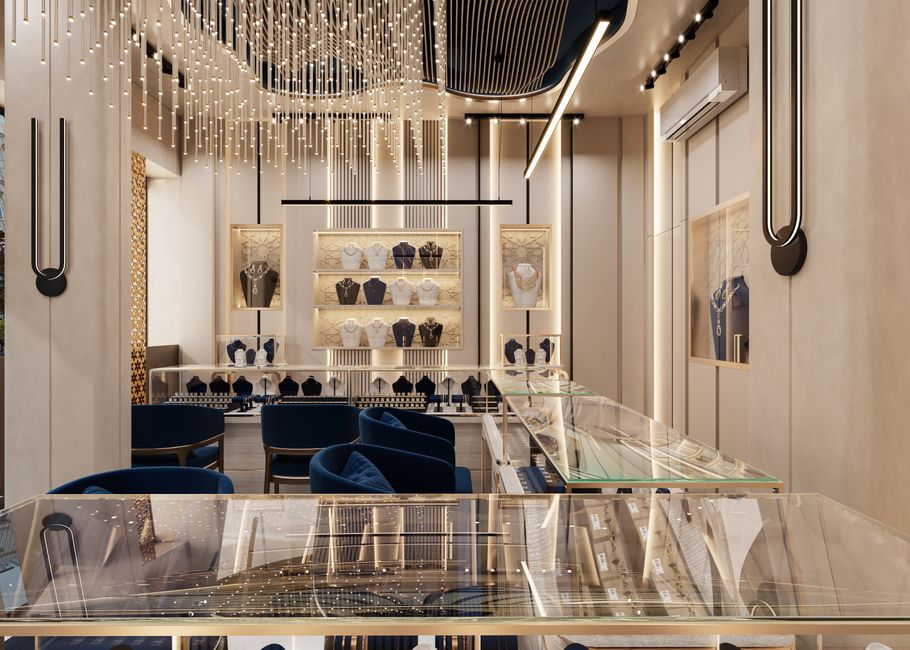
One of the key responsibilities of a commercial interior designer is to understand the brand identity of their clients. For example, a high-end fashion boutique may require a sleek, modern aesthetic, while a cozy coffee shop might benefit from warm, inviting colors. By aligning the design with the brand’s vision, designers create an atmosphere that resonates with customers and enhances the overall experience.
Moreover, commercial interior designers must stay informed about industry trends and building codes. This knowledge ensures that the designs are not only visually appealing but also functional and compliant with regulations. As businesses evolve, the need for adaptable spaces becomes more important, making the role of the designer even more crucial.
The Design Process: From Concept to Completion
The journey of a commercial interior designer begins with an in-depth consultation with the client. This initial meeting is essential for understanding the client’s goals, budget, and timeline. Once these elements are established, designers embark on creating a concept that reflects the client’s vision.
Following the concept phase, designers present mood boards and sketches to the client for feedback. This collaborative process allows for adjustments and refinements before moving forward. Once the design is approved, the designer prepares detailed drawings and specifications, which serve as a guide for contractors and suppliers.
Throughout the construction phase, the designer often acts as a project manager, ensuring that the project stays on track and within budget. Regular site visits and communication with contractors are vital to address any issues that may arise, ultimately leading to a successful project completion.
Key Elements of Successful Commercial Interior Design
Several elements contribute to the success of a commercial interior design project. One of the most critical is the effective use of space. Designers must consider the flow of movement within a space, ensuring that it is not only functional but also welcoming. For instance, in an office environment, open spaces may promote collaboration, while designated areas can provide privacy for focused work.
Another important aspect is lighting. Proper lighting can significantly impact the mood and productivity of a space. Designers often utilize a combination of natural and artificial lighting to create an inviting atmosphere. For example, large windows can enhance natural light in a retail environment, making products more appealing to customers.
Incorporating sustainable practices is also becoming increasingly important in commercial design. Many clients are looking for ways to reduce their environmental footprint, and designers can assist in selecting eco-friendly materials and energy-efficient solutions. This not only benefits the planet but can also be a selling point for businesses that prioritize sustainability.
Case Studies: Successful Commercial Design Projects
To illustrate the impact of commercial interior designers, consider the case of a tech startup that recently moved to a new office space. The company wanted to foster a culture of innovation and collaboration. The designer created an open-plan layout with breakout areas for brainstorming sessions, along with vibrant colors and modern furnishings that reflected the company’s youthful energy.
In another example, a restaurant aiming to attract a diverse clientele enlisted the help of a commercial interior designer to revamp its interior. The designer utilized a combination of rustic and modern elements, such as reclaimed wood and sleek metal fixtures, creating a warm yet contemporary dining atmosphere. The result was a significant increase in foot traffic and positive customer feedback.
These case studies highlight how effective commercial interior design can transform a business’s environment, contributing to its success and enhancing the overall user experience.
The Future of Commercial Interior Design
As the world of business continues to evolve, so too does the role of the commercial interior designer. Emerging trends, such as remote work and the increasing importance of mental well-being in the workplace, are reshaping design priorities. Designers must adapt to these changes, creating spaces that accommodate new work styles and promote employee satisfaction.
Technology also plays a significant role in the future of commercial design. The integration of smart technology into spaces can enhance functionality, from automated lighting systems to advanced climate control. Designers who embrace these innovations will be better equipped to meet the demands of modern businesses.
As we look ahead, the importance of a skilled commercial interior designer will be paramount in creating dynamic, functional spaces that not only meet the needs of businesses but also enhance the experience of those who inhabit them.
Conclusion
In conclusion, the role of a commercial interior designer is multifaceted and essential in today’s business environment. From understanding brand identity to managing complex projects, these professionals are instrumental in creating spaces that foster collaboration, enhance productivity, and reflect a company’s values. As businesses continue to evolve, the insights and expertise of commercial interior designers will be vital in shaping the future of workspaces.
About the Author