
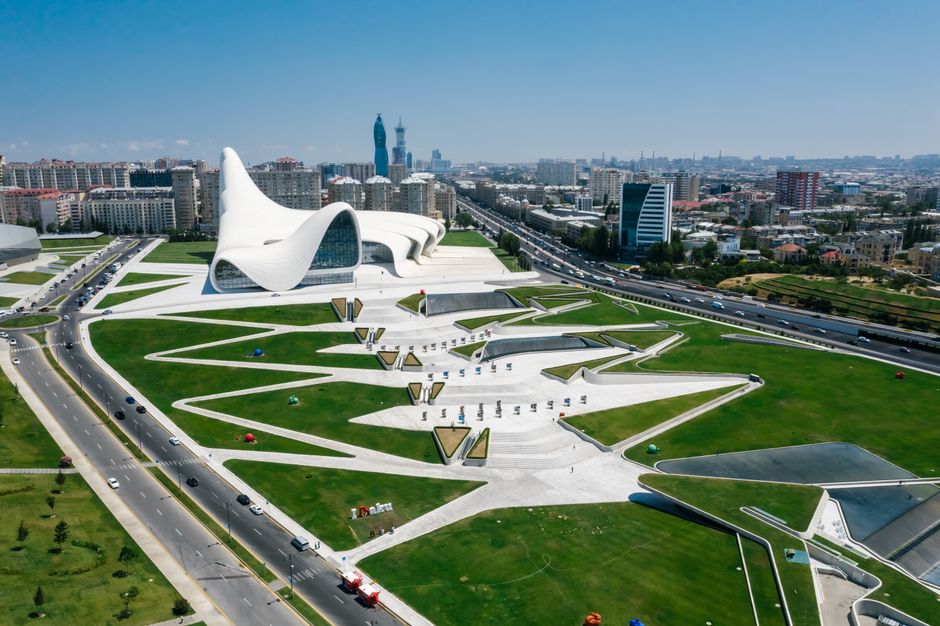
The field of landscape architecture is an intricate blend of art, science, and environmental stewardship. As cities and communities continue to evolve, the role of the landscape architect has become increasingly vital. These professionals are not only responsible for the aesthetics of outdoor spaces but also for ensuring ecological health and sustainability. In this article, we delve into the various dimensions of landscape architecture, exploring its significance, challenges, and the future of this rewarding profession.
Understanding Landscape Architecture
Landscape architecture is a discipline that focuses on the design, planning, and management of outdoor spaces. This can range from parks and gardens to urban plazas and waterfronts. According to the American Society of Landscape Architects (ASLA), landscape architects are trained to create designs that enhance the natural and built environment. They take into account various factors such as ecology, topography, and human activity in their designs.
One of the primary goals of landscape architecture is to create spaces that promote well-being and improve the quality of life for communities. For instance, a well-designed public park can serve as a community hub, providing a space for recreation, relaxation, and social interaction. Furthermore, landscape architects often work closely with urban planners, architects, and environmental scientists to ensure their designs are cohesive and functional.
The Importance of Sustainability
In recent years, sustainability has emerged as a cornerstone of landscape architecture. With growing concerns over climate change and environmental degradation, landscape architects are increasingly called upon to integrate sustainable practices into their designs. This includes using native plants, implementing water-efficient irrigation systems, and designing spaces that promote biodiversity.
For example, the High Line in New York City is a prime illustration of sustainable landscape architecture. This elevated park was constructed on a former railway line and incorporates native plants, sustainable materials, and green infrastructure to manage stormwater. This project not only revitalized a neglected area but also serves as a model for sustainable urban design.
Challenges Faced by Landscape Architects
Despite the rewarding nature of landscape architecture, professionals in the field face numerous challenges. One significant hurdle is the balance between aesthetic appeal and functionality. Landscape architects must create visually pleasing designs while also ensuring they meet the practical needs of users.
Additionally, budget constraints can pose challenges in executing ambitious designs. Landscape architects often have to work within strict budgets, which can limit the materials and design features they can incorporate. This requires creativity and resourcefulness to fulfill client expectations while adhering to financial limitations.
The Future of Landscape Architecture
As urbanization continues to rise, the demand for skilled landscape architects is expected to grow. According to the Bureau of Labor Statistics, employment of landscape architects is projected to increase by 4% from 2019 to 2029. This growth is attributed to the continued need for sustainable design solutions in response to climate change.
Moreover, emerging technologies are reshaping the landscape architecture profession. Tools such as Geographic Information Systems (GIS) and Building Information Modeling (BIM) allow landscape architects to analyze data and create more accurate designs. These advancements not only enhance efficiency but also enable better communication with clients and stakeholders.
Conclusion
In conclusion, the role of a landscape architect is multifaceted and increasingly important in today’s world. From enhancing urban environments to promoting sustainability, landscape architects play a crucial role in shaping the spaces we inhabit. As the profession continues to evolve, embracing new technologies and sustainable practices will be essential for addressing the challenges of the future. Whether designing a small garden or a large public park, the impact of a landscape architect can be profound and lasting.
For those interested in pursuing a career in this dynamic field, gaining a strong educational background and hands-on experience is paramount. Various institutions offer accredited programs in landscape architecture, providing aspiring professionals with the skills needed to thrive. Additionally, networking with established professionals and staying updated on industry trends can further enhance career prospects. To learn more about the profession, consider exploring resources provided by organizations dedicated to advancing the field of landscape architecture, such as the landscape architect foundation.
About the Author