
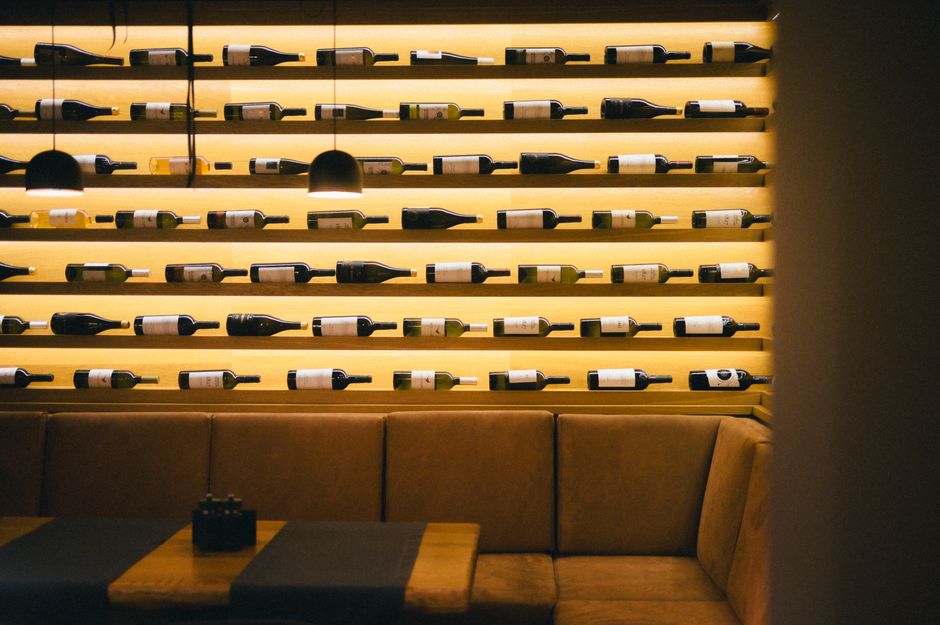
In the competitive world of dining, the aesthetic appeal of a restaurant can significantly influence a patron’s experience. Restaurant interior design is not merely about decoration; it encompasses the entire atmosphere that a diner encounters upon entering a space. From the choice of colors and lighting to the arrangement of furniture, every detail plays a crucial role in creating an inviting environment that can keep customers coming back for more.
Understanding the Importance of Interior Design
Interior design is a vital component of the restaurant experience. Research shows that a well-designed interior can increase customer satisfaction and encourage longer visits, ultimately leading to higher sales. According to a survey conducted by the Restaurant Association, nearly 60% of diners will choose a restaurant based on its ambiance. This statistic highlights how essential it is for restaurant owners to invest in their interior design.
Moreover, the design should reflect the restaurant’s concept and branding. For instance, a fine dining establishment might opt for a luxurious and elegant design, while a casual eatery may embrace a more relaxed and vibrant aesthetic. The design choices should resonate with the target audience, ensuring that the atmosphere aligns with their expectations.
Elements of Successful Restaurant Interior Design
When it comes to restaurant interior design, several key elements must be considered. First, layout is crucial. The flow of the space should allow for easy movement for both guests and staff. A well-thought-out layout can enhance the dining experience by providing a sense of privacy while still maintaining a vibrant atmosphere.
Another vital element is lighting. The right lighting can completely transform a space. Dim lighting can create a cozy and intimate feel, ideal for romantic dinners, while bright, airy spaces may be more suitable for family-friendly restaurants. Incorporating natural light through large windows or skylights can also enhance the overall ambiance.
Colors play a significant role as well. Studies have shown that colors can evoke emotions and influence behavior. For example, warm colors like red and orange can stimulate appetite, making them popular choices for restaurants. In contrast, cool colors like blue and green can create a calming environment, suitable for cafes or health-focused eateries.
Incorporating Themes and Trends
Every successful restaurant often has a theme that ties the interior design together. This could be inspired by a specific cuisine, culture, or even a historical period. For example, a Mediterranean restaurant might feature earthy tones and rustic wooden furniture to reflect its culinary roots.
Staying abreast of current design trends is also essential. Currently, sustainability is at the forefront of many design discussions. Many restaurants are incorporating eco-friendly materials and practices into their designs. This not only appeals to environmentally conscious consumers but can also set a restaurant apart in a crowded market.
Technology is another trend that cannot be overlooked. Integrating technology into the dining experience, such as digital menus or interactive displays, can enhance customer engagement while modernizing the space.
Case Studies: Successful Restaurant Designs
To illustrate the impact of effective restaurant interior design, let’s take a look at a few successful case studies. One notable example is the renowned restaurant, Noma, in Copenhagen. Noma’s interior is elegantly minimalist, focusing on natural materials and a connection to the Nordic environment. This design choice not only enhances the dining experience but also reinforces the restaurant’s commitment to local and seasonal ingredients.
Another example is the popular chain, Shake Shack, which combines modern design with a casual vibe. Their use of reclaimed materials and open layouts creates a welcoming atmosphere, appealing to a broad demographic while also emphasizing their commitment to sustainability.
These examples demonstrate how a well-executed interior design can elevate a restaurant from merely a place to eat into an unforgettable dining experience that leaves a lasting impression.
The Future of Restaurant Interior Design
Looking ahead, the future of restaurant interior design will likely continue to evolve with changing consumer preferences and technological advancements. As more diners seek unique experiences, the integration of art installations, immersive environments, and innovative designs will likely become more prevalent.
Moreover, with the rise of remote work and changing dining habits, restaurants may need to adapt their designs to cater to a more flexible demographic. Creating spaces that can accommodate both dining and social interactions, such as work meetings or casual hangouts, will be essential.
Ultimately, the key to successful restaurant interior design lies in understanding the needs and preferences of the target audience while creating a cohesive and inviting environment. As the industry continues to evolve, staying adaptable and creative will be crucial.
Conclusion
In conclusion, restaurant interior design is a multifaceted discipline that goes far beyond aesthetics. It is about creating an environment that enhances the dining experience, reflects the restaurant’s brand, and meets the expectations of its clientele. By understanding the importance of layout, lighting, color, and theme, restaurant owners can create spaces that not only attract customers but also foster loyalty. As trends continue to evolve, embracing innovation and sustainability will be key drivers for success in the competitive dining landscape. For those looking to delve deeper into the world of restaurant interior design, exploring various styles and trends can lead to unique and transformative dining experiences.
About the Author