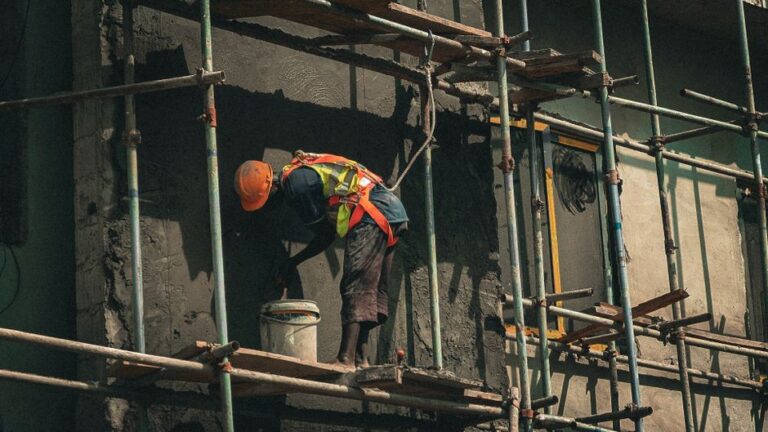
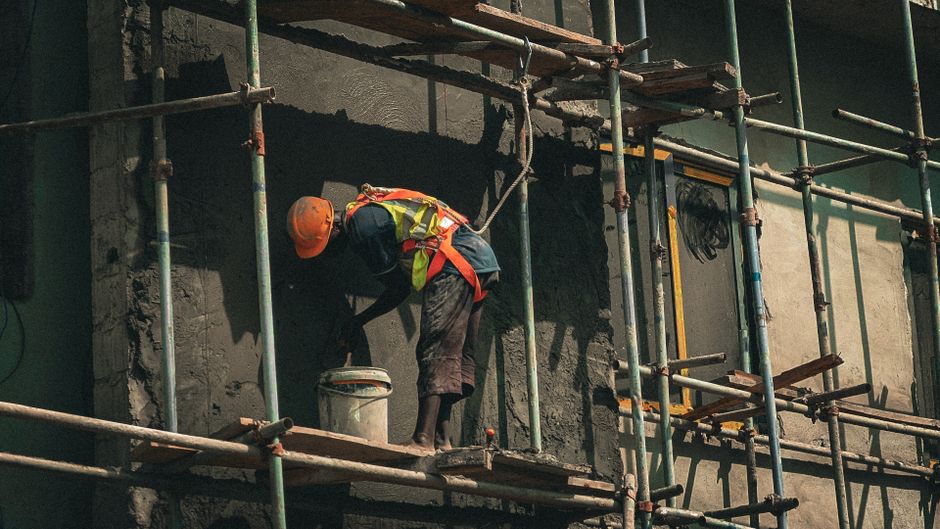
The construction industry is undergoing a significant transformation driven by advancements in technology, sustainability, and changing workforce dynamics. As we move further into the 21st century, the industry is not just about building structures but also about creating smart, efficient, and sustainable environments. This article delves into the key trends and innovations that are shaping the future of construction.
Technological Advancements in Construction
The construction industry has always been influenced by technological advancements, but recent innovations have accelerated this trend. The integration of Building Information Modeling (BIM) allows for enhanced collaboration among stakeholders, improving project efficiency and reducing costs. According to a report by McKinsey, projects that use BIM can see a productivity increase of up to 20%.
Additionally, the use of drones in construction has revolutionized site surveying and monitoring. Drones provide real-time data and aerial imagery, enabling project managers to make informed decisions quickly. As technology continues to evolve, we can expect to see even more sophisticated tools that will streamline processes and enhance safety.
Sustainability Practices in Construction
As environmental concerns grow, sustainability has become a central focus in the construction industry. Green building practices, such as using recycled materials and implementing energy-efficient systems, are no longer optional but essential. The U.S. Green Building Council reports that buildings constructed with sustainable practices can reduce energy consumption by as much as 30%.
Moreover, the adoption of modular construction techniques is gaining traction. This method allows for prefabrication of building components off-site, significantly reducing waste and improving energy efficiency. As regulations become stricter regarding environmental impact, the industry must adapt to meet these new standards.
The Impact of Workforce Dynamics
Another critical factor affecting the construction industry is the changing workforce dynamics. The construction sector is facing a significant labor shortage, with many skilled workers retiring and not enough new talent entering the field. According to the National Association of Home Builders, nearly 80% of builders report difficulty finding skilled labor.
To combat this issue, companies are investing in training and development programs aimed at attracting younger generations to the industry. Initiatives that promote trades as a viable career path and emphasize the importance of skilled labor are crucial. Collaborations with educational institutions to create apprenticeship programs are also on the rise.
Digital Transformation and Data Analytics
Data analytics is becoming a game-changer in the construction industry. By leveraging big data, companies can optimize project management, reduce costs, and improve safety. Predictive analytics can identify potential risks before they escalate, allowing for proactive measures to be taken.
The integration of Internet of Things (IoT) devices on construction sites is also contributing to this digital transformation. Sensors can monitor equipment performance, track materials, and ensure compliance with safety regulations. As these technologies become more accessible, construction firms that embrace data-driven decision-making will undoubtedly gain a competitive edge.
The Role of Collaboration in Modern Construction
Collaboration is essential in the construction industry, especially as projects become more complex. The concept of integrated project delivery (IPD) emphasizes teamwork and shared risk among all stakeholders. This approach fosters a culture of collaboration, leading to better project outcomes.
Moreover, platforms that facilitate communication and project management help bridge gaps between teams. The rise of construction networks, such as construction network charlotte nc, supports local businesses in sharing resources, knowledge, and opportunities. By fostering collaboration, the industry can continue to innovate and improve efficiency.
Conclusion
The construction industry is on the brink of a major evolution. With advancements in technology, a focus on sustainability, changing workforce dynamics, and the importance of collaboration, the industry is poised for growth and transformation. Stakeholders must embrace these changes to not only survive but thrive in a competitive landscape. As we move forward, the integration of these trends will shape the future of construction, creating a more efficient, sustainable, and innovative industry.
About the Author