
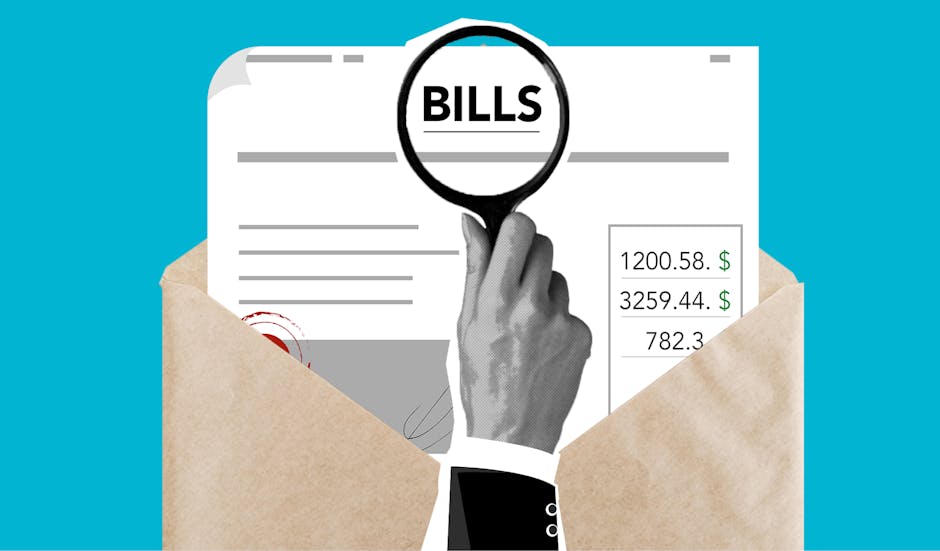
In today’s fast-paced business environment, invoice fraud is becoming increasingly sophisticated, making it imperative for companies to develop robust strategies to detect fraudulent invoices. This article will explore the various methods that organizations can employ to identify and prevent invoice fraud, ensuring their financial integrity and protecting their resources.
Understanding Invoice Fraud
Invoice fraud occurs when a business receives a fake or altered invoice designed to deceive the company into making a payment for goods or services that were never provided. According to the Association of Certified Fraud Examiners, organizations lose an average of 5% of their annual revenues to fraud, with invoice fraud being a significant contributor. Recognizing the common types of invoice fraud is the first step in prevention.
There are several types of invoice fraud, including:
– **Fake invoices:** These are completely fabricated documents that resemble legitimate invoices.
– **Altered invoices:** Genuine invoices are modified to increase the amount due.
– **Phishing schemes:** Fraudsters impersonate legitimate suppliers to trick businesses into paying them instead.
Implementing Verification Processes
One of the most effective ways to detect fraudulent invoices is by implementing stringent verification processes. By establishing a procedure where all invoices must be verified before payment, companies can significantly reduce the risk of fraud. This includes cross-checking invoices with purchase orders and delivery receipts.
Furthermore, companies should train employees to recognize red flags associated with fraudulent invoices, such as:
– Unusual invoice formats or inconsistent branding.
– Mismatched contact information or telephone numbers.
– Requests for payment to unfamiliar bank accounts.
Utilizing Technology for Detection
Incorporating technology can enhance a company’s ability to detect fraud. Automated invoice processing systems can flag irregularities in invoices, such as discrepancies between invoiced amounts and historical payment patterns. Additionally, using machine learning algorithms can help identify patterns that indicate potential fraud.
For instance, a company might implement software solutions that allow them to detect fraud invoice patterns based on historical data. These solutions can analyze thousands of invoices in real-time, allowing for quicker identification of suspicious activities.
Conducting Regular Audits
Regular audits are essential in maintaining financial integrity and identifying areas vulnerable to fraud. By conducting routine audits of invoices and payment processes, companies can uncover discrepancies and prevent potential fraud before it escalates.
Auditors should focus on the following areas:
– Reviewing approval workflows to ensure invoices are properly authorized.
– Examining payment histories for any irregular or duplicate payments.
– Ensuring that all vendors are verified and legitimate.
Encouraging Employee Awareness and Reporting
Creating a culture of transparency and awareness within the organization is crucial in combating fraud. Employees should feel empowered to report any suspicious activities without fear of retaliation. Implementing an anonymous reporting system can encourage employees to come forward with concerns regarding fraudulent invoices.
Additionally, regular training sessions can help employees understand the importance of fraud detection and the role they play in safeguarding the company’s financial assets. By fostering an environment of vigilance, organizations can better protect themselves from the risks associated with invoice fraud.
Conclusion
In conclusion, as invoice fraud continues to pose a significant threat to businesses, it is essential for organizations to adopt comprehensive measures to detect and prevent it. By understanding the various types of fraud, implementing verification processes, utilizing technology, conducting audits, and encouraging a culture of awareness, companies can safeguard their financial resources and maintain their integrity. Taking these proactive steps will not only protect against fraud but also enhance overall operational efficiency.
About the Author