
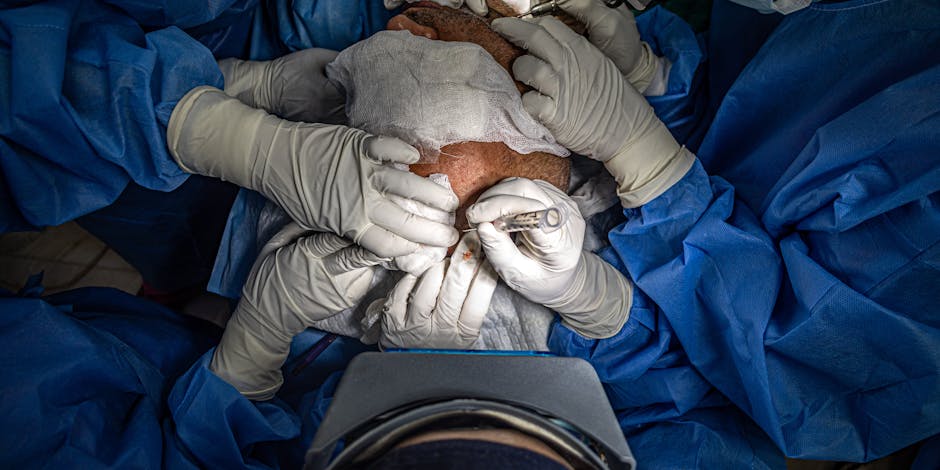
In today’s world, hair loss is a common concern for many individuals, affecting their confidence and overall quality of life. With advancements in medical technology, hair transplant procedures have become a viable solution for those looking to restore their hair. This article will delve into the various aspects of hair transplants, including the types of procedures, the benefits, potential risks, and what one should consider before undergoing the surgery.
What is Hair Transplant?
A hair transplant is a surgical procedure that involves moving hair follicles from a part of the body known as the donor site to a bald or balding area known as the recipient site. The most common types of hair transplant techniques are Follicular Unit Transplantation (FUT) and Follicular Unit Extraction (FUE). Each technique has its pros and cons, and the choice largely depends on the patient’s condition and preferences.
FUT involves removing a strip of skin from the donor area, while FUE extracts individual hair follicles. Both methods aim to achieve a natural look and restore hair density. According to recent studies, the success rate of hair transplants is quite high, with many patients reporting satisfactory results.
Benefits of Hair Transplant
Hair transplants offer numerous benefits for individuals facing hair loss. Firstly, they provide a permanent solution to hair thinning or balding. Unlike temporary solutions such as hairpieces or topical treatments, a hair transplant can last a lifetime, provided that the donor hair is healthy. Additionally, the results can appear very natural, as the transplanted hair follicles grow in their natural pattern.
Moreover, hair transplants can significantly boost an individual’s self-esteem and confidence. Many patients report feeling more attractive and youthful after the procedure. In fact, a survey indicated that over 80% of hair transplant patients were satisfied with their results, highlighting the positive impact on their quality of life.
Considerations Before Undergoing a Hair Transplant
While hair transplants can be highly effective, it is crucial to consider several factors before deciding on the procedure. Firstly, prospective patients should consult with a qualified surgeon to evaluate their hair loss condition and discuss the most suitable options. It is essential to choose a reputable clinic and surgeon with experience in hair restoration.
Moreover, potential candidates should be aware of the costs involved. Hair transplant procedures can be expensive, often ranging from $4,000 to $15,000, depending on the extent of the procedure and the clinic’s location. Some individuals opt for procedures in countries where costs are lower, such as Turkey, where many clinics offer affordable services with high standards. Many patients travel abroad for a hair transplant turkey, benefiting from both cost savings and quality care.
Post-Procedure Care and Recovery
Recovery after a hair transplant is a crucial phase that can significantly influence the results. Patients are usually advised to follow specific post-operative care instructions provided by their surgeon. This may include avoiding strenuous activities, protecting the scalp from sun exposure, and using prescribed medications to minimize discomfort.
The initial healing period typically lasts about 7 to 10 days, during which swelling and redness may occur. After this period, hair follicles begin to fall out, which is a normal part of the process before new hair growth starts. Most patients can expect to see noticeable results within six months, with full results appearing after a year.
Potential Risks and Side Effects
As with any surgical procedure, hair transplants carry some risks and potential side effects. Common side effects include itching, swelling, and minor pain at the donor and recipient sites. In rare cases, complications such as infection or scarring may occur.
It is vital for patients to discuss these risks with their surgeon beforehand and ensure they understand the procedure thoroughly. By doing so, they can make informed decisions and set realistic expectations regarding the outcomes.
Conclusion
Hair transplants have emerged as a popular and effective solution for individuals dealing with hair loss. With various techniques available and a high satisfaction rate among patients, it is no wonder that many are considering this option. However, it is essential to conduct thorough research, consult with experienced professionals, and weigh the pros and cons before proceeding. With the right approach, a hair transplant can lead to a remarkable transformation, restoring not just hair but also confidence and self-esteem.
About the Author