In emergency situations, the difference between life and death can often hinge on the actions taken within the first few minutes. Cardiopulmonary Resuscitation (CPR) is a critical skill that everyone should learn, as it can save lives during cardiac emergencies. This article delves into the importance of CPR, the technique involved, and how to effectively perform it in various scenarios.
Understanding CPR: What is it?
CPR is a lifesaving technique used in emergencies when someone’s breathing or heartbeat has stopped. It’s a combination of chest compressions and rescue breaths designed to maintain blood flow and oxygenation to vital organs until professional medical help arrives. According to the American Heart Association, immediate CPR can double or even triple a victim’s chance of survival following cardiac arrest.
Many people are unaware that cardiac arrest can happen to anyone at any time, regardless of age or health condition. Statistics show that approximately 356,000 out-of-hospital cardiac arrests occur annually in the United States alone. This staggering number underscores the urgent need for widespread CPR training and awareness.
Moreover, CPR can be performed by anyone, regardless of their medical background. Basic training can empower ordinary individuals to make a significant difference in critical situations.
The Steps to Perform CPR
Performing CPR involves a series of steps that can be remembered easily. The first step is to call for emergency services. While waiting for help, follow these steps:
1. Check for responsiveness: Gently shake the person and shout to see if they respond. If there’s no response, proceed to the next step.
2. Call 911: If you are alone, call emergency services yourself. If someone is with you, ask them to call for help while you begin CPR.
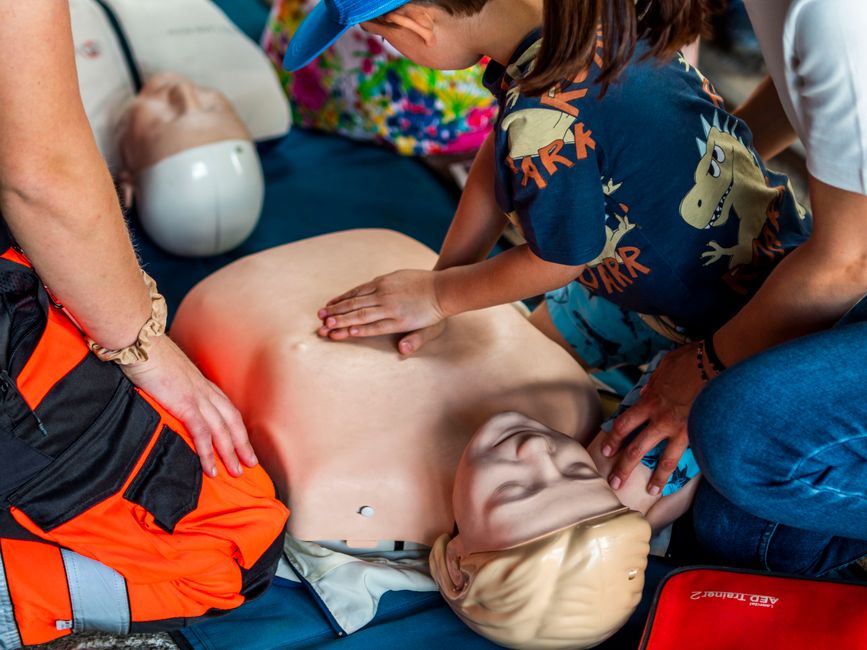
3. Begin chest compressions: Place your hands on the center of the person’s chest and push down hard and fast, at a rate of 100-120 compressions per minute. Ensure you allow the chest to fully recoil between compressions.
4. Rescue breaths (optional): If trained, after every 30 compressions, give 2 rescue breaths. Ensure the airway is open and seal your mouth over the victim’s mouth, giving each breath over one second.
For adults, continue this cycle until emergency responders arrive or the person shows signs of life. For children, the technique is similar, but the force applied during compressions should be gentler.
Importance of CPR Training
Despite its critical importance, many people have never received formal CPR training. Organizations like the American Heart Association and the Red Cross offer courses to teach individuals how to perform CPR effectively. Such training can equip individuals with the confidence and skills needed to act decisively in emergencies.
Moreover, CPR training is not limited to healthcare professionals. It is essential for teachers, coaches, parents, and anyone who may find themselves in a position to help during a cardiac emergency. Communities that prioritize CPR training often see improved survival rates from cardiac arrests.
If you’re in Stockholm and looking for a comprehensive training program, consider enrolling in a HLR kurs Stockholm to enhance your skills.
Common Myths about CPR
There are several myths surrounding CPR that can deter people from learning this vital skill. One prevalent myth is that you need to be certified to perform CPR. In reality, performing CPR is better than doing nothing at all. Every second counts, and immediate action can save a life.
Another common misconception is that CPR is complicated. While it involves specific techniques, the basics are straightforward and can be learned in a matter of hours. After a short training session, most individuals can confidently perform CPR.
Lastly, some believe that you can do more harm than good by performing CPR. While it’s true that improper technique can pose risks, the potential benefits of administering CPR far outweigh the risks of inaction.
Conclusion: Be Prepared to Respond
In conclusion, Cardiopulmonary Resuscitation is a vital skill that everyone should possess. With the right training and knowledge, you can be prepared to act swiftly and effectively in a cardiac emergency. Remember, CPR not only saves lives but also empowers individuals to make a difference in their communities.
By educating yourself and others about CPR, you can help create a safer environment for everyone. Don’t wait for an emergency to learn these skills; take the initiative today and become a lifesaver.
About the Author