
Child therapy has gained significant attention in recent years, as more parents seek effective ways to support their children’s emotional and psychological well-being. This approach goes beyond traditional parenting techniques, providing specialized strategies to address various challenges that children may face. In this article, we will explore the different types of child therapy, their benefits, and how parents can navigate this journey.
What Is Child Therapy?
Child therapy is a therapeutic process designed to help children cope with emotional, behavioral, and psychological issues. It can take various forms, including play therapy, cognitive-behavioral therapy (CBT), and family therapy. Each type of therapy employs distinct techniques tailored to the child’s unique needs, aiming to foster a supportive environment where they can express their thoughts and feelings.
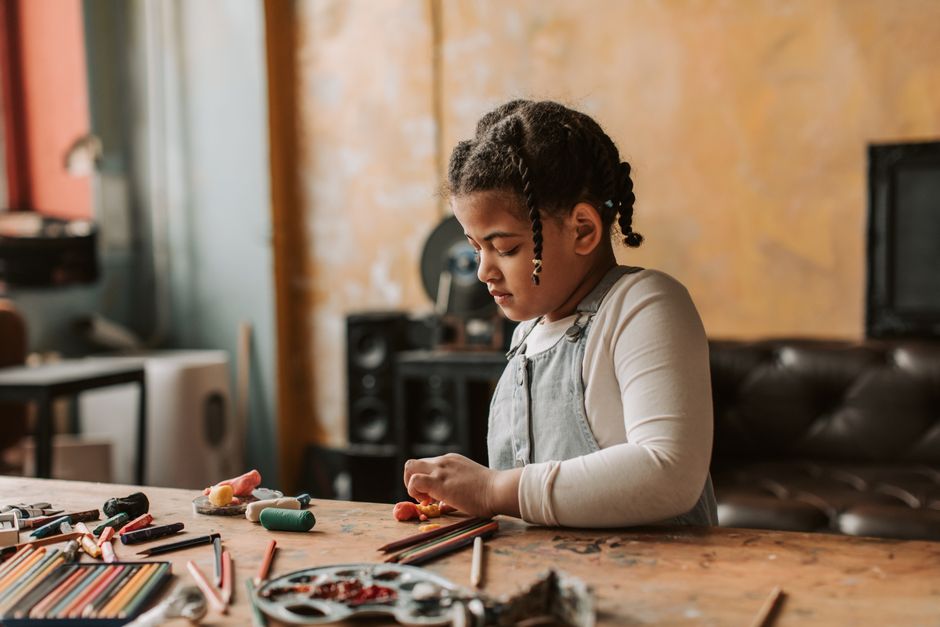
For instance, play therapy utilizes toys and games as a means for children to communicate their emotions, making it easier for therapists to understand their internal struggles. On the other hand, cognitive-behavioral therapy focuses on changing negative thought patterns that may contribute to anxiety or depression.
The Benefits of Child Therapy
Engaging in therapy can lead to numerous benefits for children, helping them develop essential coping skills and emotional resilience. Research highlights that children who participate in therapy often show improvements in their ability to manage stress, communicate effectively, and build healthier relationships with peers.
According to a study published in the Journal of Child Psychology and Psychiatry, approximately 70% of children who underwent therapy reported a significant reduction in behavioral issues after just a few months of treatment. Such statistics underline the effectiveness of therapy in addressing various mental health concerns.
Types of Child Therapy
There are several types of child therapy, each designed to address different challenges. One common method is play therapy, which is particularly effective for younger children who may struggle to articulate their feelings verbally. This therapeutic approach allows children to express themselves through play, facilitating a deeper understanding of their emotions.
Another widely used method is cognitive-behavioral therapy (CBT), which helps children identify and change negative thought patterns. This approach has proven beneficial for children dealing with anxiety, depression, and even behavioral disorders.
Finally, family therapy can also be an integral part of the process, as it involves the entire family in addressing the child’s challenges. This collaborative approach can help improve family dynamics, fostering a supportive environment for the child.
How to Choose the Right Therapist
Finding the right therapist for your child is crucial for successful therapy outcomes. Parents should look for therapists who specialize in child therapy and have a solid understanding of developmental psychology. It is also essential to ensure that the therapist creates a safe and welcoming environment where the child feels comfortable.
Before making a decision, parents may consider scheduling initial consultations with potential therapists. This allows them to gauge the therapist’s approach, philosophy, and compatibility with their child. Additionally, seeking recommendations from other parents or pediatricians can also be beneficial.
As you navigate this process, it’s important to remember that therapy is a collaborative effort. Parents should remain involved and supportive, as their participation can significantly enhance the child’s experience.
Common Misconceptions About Child Therapy
Despite the growing awareness of child therapy, several misconceptions still persist. One prevalent myth is that therapy is only for children with severe behavioral issues or mental health disorders. In reality, therapy can be beneficial for any child facing challenges, whether it’s coping with stress, dealing with bullying, or navigating family changes.
Another misconception is that therapy is a quick fix. In truth, therapy often requires time and commitment from both the child and the family. Progress may vary, and it’s essential to have realistic expectations regarding the timeline of improvements.
Understanding these misconceptions can help parents approach therapy with a more informed mindset, ensuring that they provide the necessary support for their child’s growth.
Conclusion
Child therapy is a valuable resource for parents seeking to support their children’s emotional and psychological well-being. By understanding the different types of therapy, their benefits, and how to choose the right therapist, parents can navigate this journey more effectively. Remember, the goal of therapy is to empower children with the skills they need to manage their emotions and create healthy relationships. Whether through play therapy, cognitive-behavioral therapy, or family therapy, the right approach can lead to positive outcomes for children in need.
For parents curious about specific therapeutic techniques, exploring resources like What is ABA therapy can provide additional insights into specialized methods that may benefit their children.
About the Author