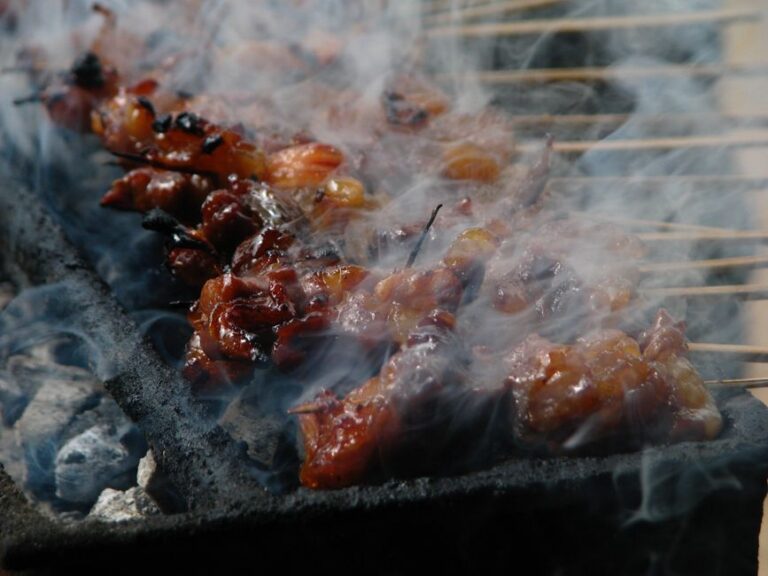
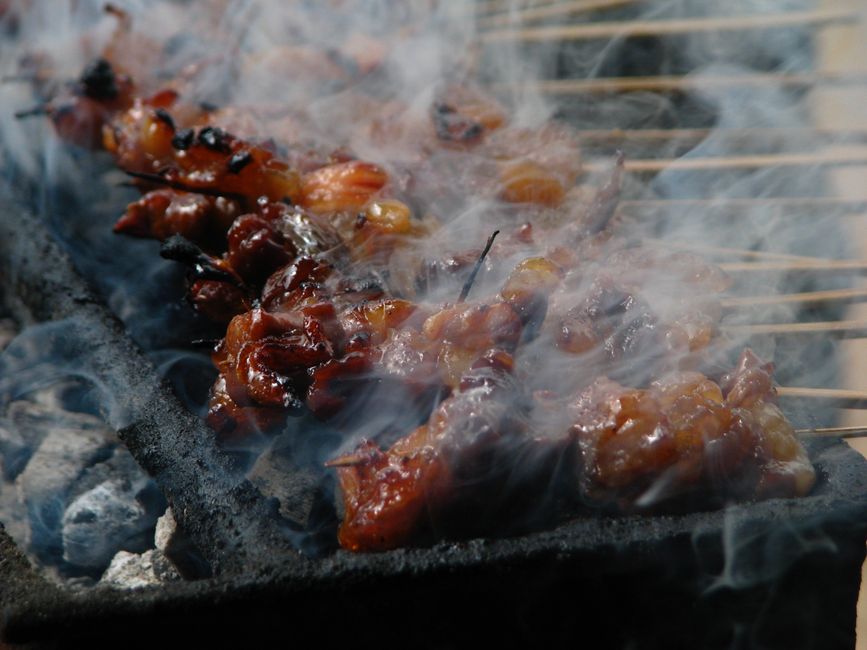
Barbecue is more than just a cooking method; it’s a way of life for many enthusiasts around the world. The smoky aroma, the sizzle of meat on the grill, and the gathering of friends and family around a fire create an experience that transcends mere dining. In this comprehensive guide, we will explore the diverse world of barbecue, from regional styles to essential techniques, and even the latest trends that are shaping the barbecue community.
Understanding the Different Styles of Barbecue
Barbecue styles vary significantly across regions, each with its unique flavors, techniques, and traditions. For instance, Texas barbecue is renowned for its brisket, which is often smoked over mesquite wood for a distinct flavor. In contrast, Kansas City barbecue is famous for its sweet and tangy sauces, often served with pork ribs and burnt ends. Understanding these regional differences can enhance your barbecue experience and help you appreciate the nuances of each style.
In the Carolinas, the focus shifts to pulled pork, with vinegar-based sauces that offer a sharp contrast to the richness of the meat. The variation between Eastern and Western North Carolina barbecue showcases the diversity within a single state, with Eastern style using the whole hog and Western style emphasizing the shoulder. These regional characteristics not only inform cooking methods but also reflect cultural histories and local preferences.
Barbecue enthusiasts often engage in friendly debates over the best style, but one thing is certain: each region’s approach provides a unique flavor profile that is worth exploring. Whether you’re a fan of the spicy heat of Memphis dry rub or the sweet glaze of a St. Louis rib, there’s a barbecue style for everyone.
Essential Techniques for Perfect Barbecue
Mastering barbecue requires knowledge of various cooking techniques. Smoking is perhaps the most iconic method, involving low temperatures and long cooking times to infuse flavor. The choice of wood is crucial in this process; hickory, applewood, and cherry wood each impart distinct flavors to the meat. Understanding how to manage your smoker’s temperature can make all the difference between tender, flavorful meat and a dry, overcooked disaster.
Grilling, on the other hand, is a faster method that typically involves higher heat and shorter cooking times. While grilling is often associated with hamburgers and hot dogs, it can also be used for more sophisticated cuts of meat and vegetables. Learning how to control the heat and timing is essential for achieving that perfect sear while keeping the inside juicy.
Another important technique is brining, which involves soaking meat in a saltwater solution to enhance moisture and flavor. This method is particularly effective for lean meats like chicken and turkey, which can easily dry out during cooking. Combining brining with smoking or grilling can elevate your barbecue game to a new level.
The Importance of Sauces and Rubs
No barbecue is complete without sauces and rubs, which add complexity and depth to the meat. Barbecue rubs, typically a blend of spices and herbs, can be applied before cooking to create a flavorful crust. A good rub should balance sweetness, heat, and aromatic flavors, enhancing the natural taste of the meat without overpowering it.
Sauces, on the other hand, are often applied during or after cooking. They can range from tangy vinegar-based sauces to rich, tomato-based varieties, depending on the style of barbecue you’re preparing. The key is to find a sauce that complements your meat choice without overwhelming it. Experimenting with different combinations can lead to delightful discoveries and personal favorites.
In recent years, there has been a rise in the popularity of homemade sauces and rubs, as enthusiasts seek to create personalized flavors that reflect their tastes. Many barbecue aficionados enjoy sharing their secret recipes, fostering a sense of community and camaraderie among fellow grillers.
Healthier Barbecue Options
As the barbecue culture continues to evolve, so do the options available for health-conscious individuals. While traditional barbecue may be associated with high-fat meats and heavy sauces, there is a growing trend toward incorporating healthier ingredients and cooking methods. Lean cuts of meat, such as chicken breast and turkey, are becoming staples in many backyard barbecues.
Vegetable grilling has also gained popularity, with options like portobello mushrooms, zucchini, and bell peppers taking center stage. These colorful veggies can be marinated and grilled to perfection, offering a delicious alternative to meat-based dishes. Additionally, plant-based proteins such as tofu and tempeh are gaining traction, allowing more people to enjoy the barbecue experience.
Moreover, healthier sauces and marinades made with fresh ingredients and reduced sugar content are becoming widely available. These alternatives allow you to enjoy the flavors of barbecue without the added guilt, making it easier to indulge in this beloved cooking style.
Trends Shaping the Future of Barbecue
The barbecue landscape is continually evolving, with new trends emerging each year. One notable trend is the rise of competition barbecue, where teams compete for the title of best barbecue at various events. This competitive spirit has led to innovations in cooking techniques, flavor combinations, and presentation, pushing barbecue enthusiasts to elevate their skills.
Sustainability is also becoming a focal point in the barbecue community, with more cooks seeking to source local ingredients and reduce waste. This shift not only supports local economies but also promotes environmentally friendly practices. Using organic meats, seasonal vegetables, and sustainable wood sources are just a few ways that barbecue lovers are making a positive impact.
Finally, technology is playing an increasingly significant role in barbecue. From smart thermometers that monitor cooking temperatures to apps that help track recipes and techniques, technology is making it easier than ever to achieve barbecue perfection. As these innovations continue to develop, the barbecue community is embracing them to enhance their cooking experience.
Conclusion
Barbecue is a rich tapestry of flavors, techniques, and traditions that brings people together. Whether you’re a seasoned pro or a novice griller, understanding the different styles, mastering essential techniques, and embracing new trends can transform your barbecue experience. As you explore the world of barbecue, remember to enjoy the journey, share your creations, and connect with fellow enthusiasts. For those looking to dive deeper into the barbecue community, resources like Zeus can provide valuable insights and connections.
About the Author