
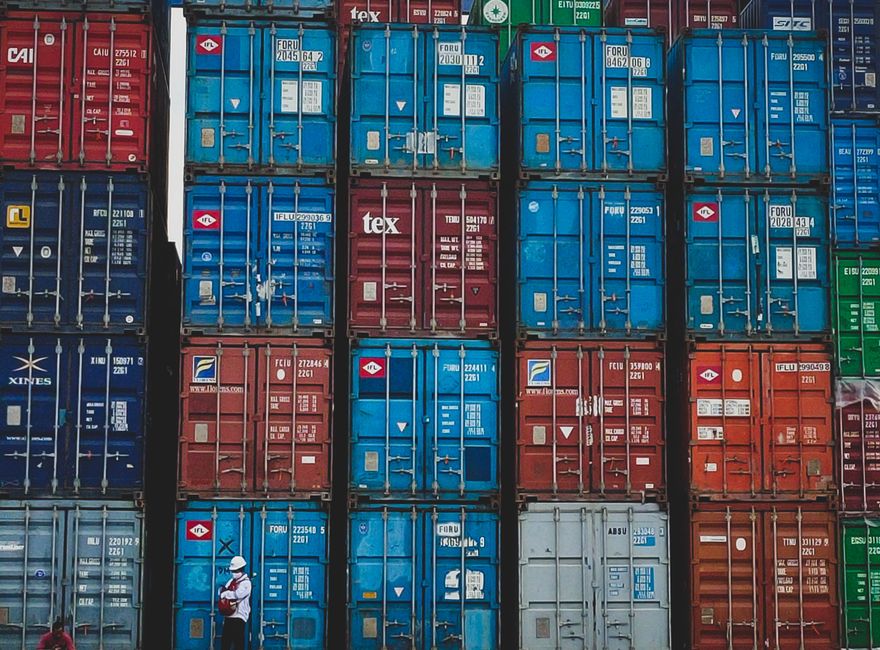
In the world of logistics and shipping, the protection of goods in transit is of utmost importance. Cargo insurance is a critical component that ensures businesses and individuals are safeguarded against potential losses during transportation. This article will delve into the intricacies of cargo insurance, its benefits, and the factors to consider when choosing the right coverage.
What is Cargo Insurance?
Cargo insurance is a specialized type of insurance designed to cover the loss or damage of goods while they are being transported. This coverage applies to various modes of transportation, including air, sea, and land. It protects the insured against financial loss resulting from unforeseen events such as theft, fire, or accidents during transit. Understanding the basics of cargo insurance is crucial for anyone involved in shipping goods.
According to industry statistics, approximately 1 in 10 shipments experience some form of loss or damage. This highlights the importance of having adequate insurance coverage. Without it, businesses may face substantial financial setbacks that could jeopardize their operations.
Types of Cargo Insurance
There are several types of cargo insurance policies available, each catering to different shipping needs. The most common types include:
- All Risk Coverage: This is the most comprehensive option, covering all risks of loss or damage unless specifically excluded in the policy.
- Named Perils Coverage: This policy covers only the risks that are explicitly mentioned in the contract, such as fire or collision.
- General Average Coverage: This protects the shipowner and cargo owners from the loss of cargo due to voluntary sacrifices made to save a ship during a perilous situation.
Choosing the right type of coverage depends on various factors, including the nature of the goods, the shipping method, and the destination. It is essential to evaluate these factors thoroughly to ensure adequate protection.
Benefits of Cargo Insurance
Investing in cargo insurance offers numerous benefits that can enhance the security of your shipments:
- Financial Protection: In the unfortunate event of loss or damage, cargo insurance provides financial reimbursement, ensuring that businesses do not suffer significant losses.
- Peace of Mind: Knowing that your goods are insured allows businesses to focus on their operations without the constant worry of potential losses.
- Improved Reputation: Companies that take proactive steps to protect their shipments tend to build a better reputation with clients, fostering trust and reliability.
Additionally, having cargo insurance can be a requirement for certain contracts or agreements, making it a crucial aspect of international trade and commerce.
Factors to Consider When Choosing Cargo Insurance
When selecting a cargo insurance policy, businesses should consider several key factors:
- Type of Goods: Different goods may require different levels of coverage. For example, fragile items may need more comprehensive protection.
- Shipping Route: The risks associated with the shipping route can vary significantly. Areas prone to piracy or natural disasters may necessitate enhanced coverage.
- Value of Goods: Higher-value items typically require more robust insurance policies to adequately cover potential losses.
Moreover, it is important to review the terms of the policy carefully, including exclusions and limitations, to avoid any surprises during a claim process.
Conclusion
Cargo insurance is a vital consideration for anyone involved in shipping goods, whether they are small businesses or large corporations. By understanding the different types of coverage available, the benefits of having insurance, and the factors to consider when choosing a policy, businesses can make informed decisions that best protect their interests. For those looking to learn more about this essential topic, resources are available online, including detailed guides on cargo insurance. In a world where unexpected events can occur at any moment, securing your shipments with the right insurance is not just a safety measure; it is a smart business strategy.
About the Author