As the world shifts towards sustainable energy sources, electric vehicles (EVs) are becoming increasingly popular. A significant component driving this trend is the evolution of EV battery suppliers. These suppliers play a crucial role in the automotive market, influencing the performance, cost, and availability of electric vehicles.
Understanding the EV Battery Landscape
The electric vehicle battery market is characterized by rapid technological advancements and fierce competition among suppliers. Companies are striving to develop batteries that are not only more efficient but also more affordable and environmentally friendly. As of 2023, the demand for EV batteries has surged, with projections indicating that the market will exceed $100 billion by 2030.
Key players in this market include established manufacturers like Tesla, LG Chem, and CATL, as well as emerging startups focusing on innovative battery technologies. Each of these companies is vying for a share in an ever-expanding market, which has led to significant investments in research and development.
One of the critical trends in the EV battery landscape is the shift towards lithium-ion technology. This type of battery has become the industry standard due to its high energy density and relatively low cost. However, suppliers are also exploring alternatives such as solid-state batteries, which promise to offer even greater efficiency and safety.
Impact of Supply Chain on EV Battery Suppliers
The supply chain is a vital aspect of the EV battery industry. Suppliers must navigate various challenges, including sourcing raw materials, manufacturing processes, and distribution logistics. For instance, lithium, cobalt, and nickel are essential components in battery production, and fluctuations in their prices can significantly impact the costs for EV battery suppliers.
Moreover, geopolitical factors can also influence the supply chain. Many of the raw materials are sourced from specific regions, and any disruptions due to trade policies or political instability can create bottlenecks. This has led some companies to invest in localizing their supply chains to mitigate risks associated with international sourcing.
In response to these challenges, many suppliers are forming strategic partnerships with mining companies and other stakeholders. These collaborations aim to secure a stable supply of essential materials while also promoting sustainable mining practices.
Innovation and Technological Advancements
Innovation is at the heart of the electric vehicle battery industry. Suppliers are continuously seeking ways to enhance battery performance, reduce charging times, and improve overall lifespan. Recent advancements include the development of faster-charging technologies and battery management systems that optimize energy consumption.
Furthermore, the integration of artificial intelligence and machine learning in battery production has streamlined processes and improved quality control. By analyzing large datasets, suppliers can predict potential failures and optimize manufacturing processes, ultimately leading to more reliable batteries.
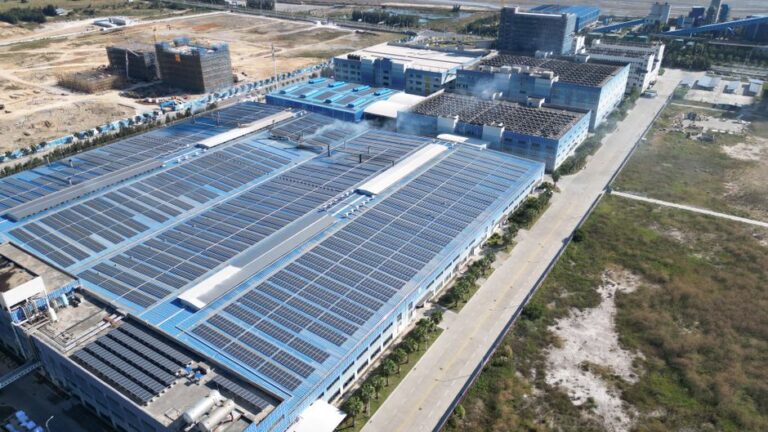
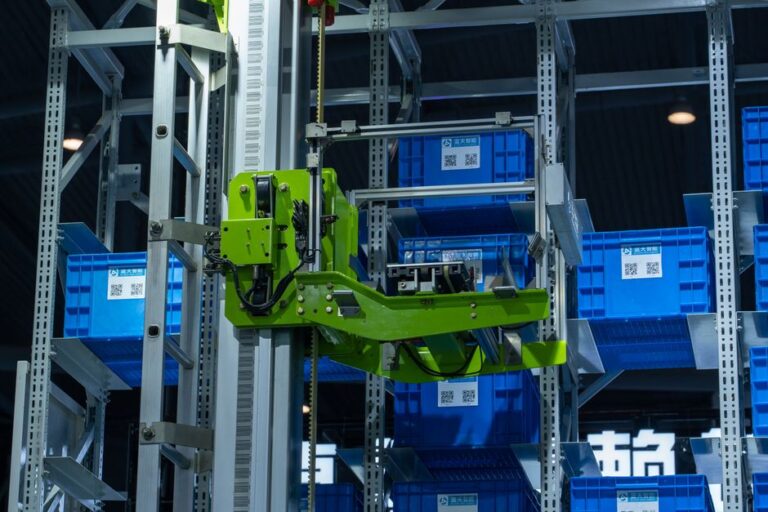
For example, Tesla’s Gigafactory has set a benchmark for battery production efficiency, utilizing advanced robotics and automation to scale production without compromising quality. This focus on innovation not only benefits the companies involved but also contributes to the overall growth of the EV market.
Market Trends and Future Outlook
The future of EV battery suppliers looks promising, driven by increasing consumer demand for electric vehicles and government incentives promoting clean energy. In many regions, governments are implementing policies to phase out internal combustion engines, further propelling the shift to electric mobility.
As manufacturers ramp up production, the competition among suppliers will intensify, leading to further innovations and cost reductions. Additionally, as battery recycling technologies improve, the sustainability of battery production will enhance, creating a circular economy around battery materials.
According to recent studies, the global EV battery market is expected to grow at a compound annual growth rate (CAGR) of over 20% through the next decade. This growth presents a significant opportunity for both established suppliers and new entrants looking to capture market share.
Conclusion
The role of EV battery suppliers is pivotal in shaping the future of transportation. As consumer preferences shift towards sustainable solutions, these suppliers must adapt to the changing landscape by embracing innovation and optimizing their supply chains. The challenges they face will require strategic thinking and collaboration, but the potential rewards are immense. Companies that successfully navigate this evolving market will not only thrive but will also play a crucial role in advancing global sustainability efforts.
For those interested in exploring the top players in this industry, a comprehensive overview can be found at EV battery supplier resources.
About the Author