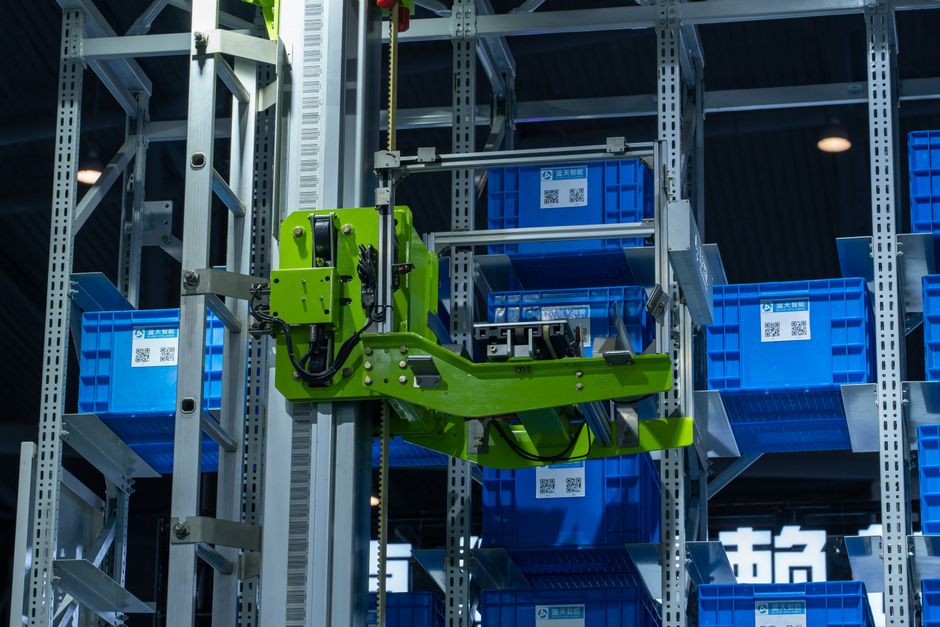
In an era marked by rapid technological advancements and a growing emphasis on sustainability, energy storage systems (ESS) have emerged as a crucial component of modern energy solutions. By enabling the efficient storage and distribution of energy, these systems play a pivotal role in balancing supply and demand, integrating renewable sources, and enhancing grid reliability. This article delves into the various types of energy storage systems, their applications, and the benefits they offer to both consumers and the environment.
Types of Energy Storage Systems
Energy storage systems can be broadly classified into several categories, each utilizing different technologies to store energy. The most common types include:
1. **Battery Energy Storage Systems (BESS)**: These systems use electrochemical batteries to store energy. Lithium-ion batteries are particularly popular due to their high energy density and efficiency. According to the International Energy Agency, the demand for battery storage is expected to rise significantly, with projections indicating a market growth of over $250 billion by 2025.
2. **Pumped Hydro Storage**: This is one of the oldest and most widely used forms of energy storage. It involves pumping water to a higher elevation during periods of low demand and releasing it to generate electricity when needed. The capacity of pumped hydro storage globally exceeds 150 gigawatts, making it a reliable source of energy management.
3. **Flywheel Energy Storage**: Flywheels store energy in the form of kinetic energy by spinning a rotor at high speeds. They can quickly release energy, making them ideal for applications requiring rapid response times, such as frequency regulation in the grid.
4. **Thermal Energy Storage**: This technology stores energy in the form of heat or cold. For instance, concentrated solar power plants often utilize thermal storage to harness solar energy during the day and release it for electricity generation at night.
Applications of Energy Storage Systems
Energy storage systems find applications across various sectors, enhancing efficiency and sustainability. Here are some key areas where they are making a significant impact:
1. **Renewable Energy Integration**: As renewable sources like solar and wind exhibit variable output, energy storage systems help stabilize the grid by storing excess energy and releasing it during low production periods. This capability is crucial for achieving a balanced energy mix and reducing reliance on fossil fuels.
2. **Grid Stability and Resilience**: Energy storage systems enhance grid resilience by providing backup power during outages and improving overall reliability. A study by the U.S. Department of Energy highlights that integrating storage solutions can reduce the frequency and duration of power outages.
3. **Electric Vehicles (EVs)**: The rise of electric vehicles has spurred advancements in battery technology, directly benefiting energy storage systems. EV batteries can be utilized as distributed energy resources, facilitating vehicle-to-grid technologies that support grid stability.
Benefits of Energy Storage Systems
The benefits of energy storage systems extend beyond mere energy management. Here are some key advantages:
1. **Cost Savings**: By optimizing energy use, storage systems can reduce electricity costs for consumers. For instance, businesses can store energy during off-peak hours when rates are lower and use it during peak hours to save on energy bills.
2. **Environmental Impact**: Energy storage systems promote the use of clean energy sources, thereby reducing greenhouse gas emissions. A report from the World Economic Forum indicates that widespread adoption of energy storage technologies could lead to annual reductions of nearly 1.5 gigatons of CO2 emissions by 2030.
3. **Enhanced Energy Security**: By diversifying energy sources and providing backup power, energy storage systems contribute to national energy security. They reduce dependence on a single source of energy and provide a buffer against price volatility.
Challenges and Future Outlook
Despite the numerous advantages, energy storage systems face challenges that need addressing for broader adoption. Key challenges include:
1. **Cost of Technology**: While prices for battery technologies have been declining, the initial investment for energy storage systems can still be significant. Continued advancements in technology and economies of scale are essential to drive down costs further.
2. **Regulatory Frameworks**: In many regions, outdated regulations hinder the deployment of energy storage systems. Policymakers must develop supportive frameworks that encourage investment and innovation in this sector.
3. **Technological Development**: Continuous research and development are required to enhance the efficiency, lifespan, and environmental impact of energy storage technologies. Innovations in materials and systems design will play a crucial role in this evolution.
Conclusion
Energy storage systems represent a vital element in the transition towards a more sustainable and resilient energy future. By enabling the effective storage and management of energy, they facilitate the integration of renewable sources, enhance grid stability, and provide numerous economic and environmental benefits. As technology continues to evolve and costs decrease, the role of energy storage systems will only grow, shaping the future of energy consumption and management.
For those interested in exploring more about energy storage technologies, resources such as energy storage system can provide valuable insights and information.
About the Author