
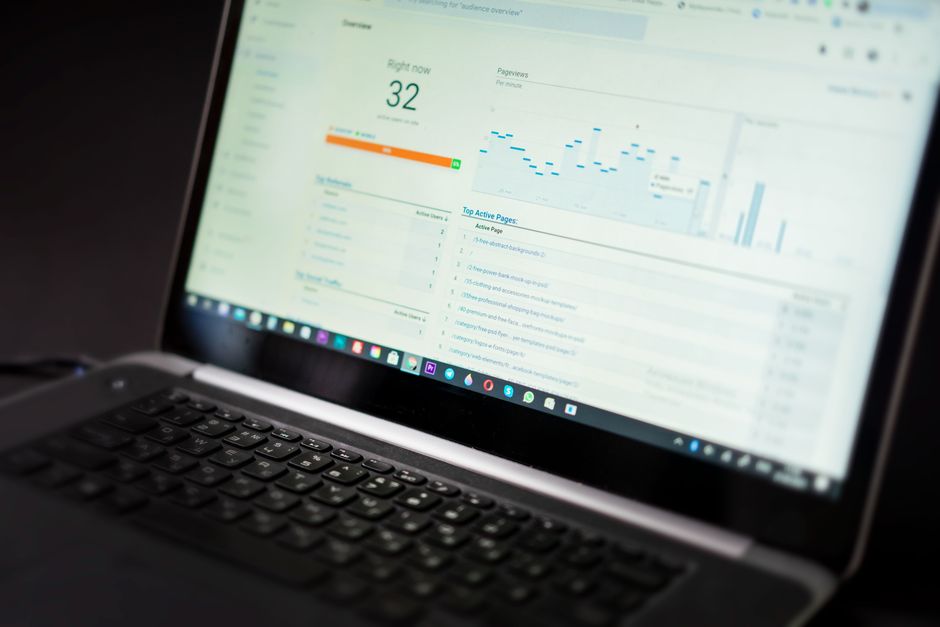
In the age of information, businesses are increasingly relying on data to make informed decisions. Data analytics software has emerged as a critical tool for companies looking to enhance their operational efficiency and gain a competitive edge. By leveraging these powerful tools, organizations can transform raw data into actionable insights, enabling them to streamline processes, optimize marketing strategies, and improve customer satisfaction.
What is Data Analytics Software?
Data analytics software refers to a set of tools and applications designed to analyze data sets and extract meaningful insights. These tools can handle vast amounts of data from various sources, including databases, spreadsheets, and online platforms. By employing statistical analysis, data mining, and predictive analytics, businesses can uncover trends and patterns that would otherwise remain hidden.
For instance, a retail company can use data analytics software to analyze customer purchasing behavior over time. This analysis might reveal that certain products are frequently purchased together, allowing the company to implement cross-selling strategies effectively. Overall, data analytics software empowers organizations to harness the full potential of their data.
Benefits of Using Data Analytics Software
One of the most significant advantages of utilizing data analytics software is improved decision-making. By providing real-time insights, these tools enable businesses to make informed choices that can lead to increased profitability. According to a report by McKinsey, data-driven organizations are 23 times more likely to acquire customers, 6 times more likely to retain customers, and 19 times more likely to be profitable.
Moreover, data analytics software helps businesses identify inefficiencies in their operations. For example, a manufacturing firm might discover through data analysis that specific machinery is frequently causing delays in production. By addressing these inefficiencies, the company can reduce costs and improve overall productivity.
Popular Types of Data Analytics Software
There are various types of data analytics software available in the market, each tailored to meet different business needs. Some of the most popular categories include:
- Descriptive Analytics: These tools help businesses understand past performance by providing insights into historical data. Tools like Google Analytics are widely used for this purpose.
- Diagnostic Analytics: This type of software goes a step further by analyzing data to determine the reasons behind past outcomes. For example, if sales dropped in a particular quarter, diagnostic analytics can help identify the underlying causes.
- Predictive Analytics: Predictive analytics software uses statistical models and machine learning techniques to forecast future outcomes. Organizations often use these tools to anticipate customer behavior, allowing for proactive marketing strategies.
One such example of predictive analytics would be an e-commerce platform that utilizes customer browsing history to recommend products tailored to individual preferences. As a result, this enhances the overall customer experience and drives sales.
Choosing the Right Data Analytics Software
Selecting the appropriate data analytics software for your business can be a daunting task, given the plethora of options available. When making your choice, consider the following factors:
- Scalability: Your chosen software should be able to grow alongside your business. Look for solutions that can handle increasing data volumes without sacrificing performance.
- User-Friendliness: The software should be intuitive and easy to use, even for individuals without a technical background. This ensures that more team members can utilize the tool effectively.
- Integration Capabilities: Ensure that the software can seamlessly integrate with your existing systems, such as CRM and ERP solutions. This integration is crucial for maximizing the value of your data.
For example, a business might opt for data analytics software that offers robust integration with their CRM system, allowing them to easily analyze customer interactions and tailor their marketing efforts accordingly.
Conclusion: The Future of Data Analytics Software
As businesses continue to generate and collect vast amounts of data, the role of data analytics software will only grow in importance. Companies that embrace these tools will not only enhance their decision-making processes but also cultivate a culture of data-driven insights. In the coming years, we can expect to see advancements in artificial intelligence and machine learning, further revolutionizing how businesses analyze data and derive actionable insights.
In conclusion, investing in data analytics software is no longer a luxury but a necessity for companies aiming to remain competitive in today’s market. By leveraging these powerful tools, organizations can unlock new opportunities, optimize operations, and ultimately drive growth.
About the Author