Replacing a roof is a significant home improvement project that can greatly enhance your property’s value and curb appeal. However, many homeowners are often left wondering about the overall costs involved in such a project. Understanding the various factors that contribute to the roof replacement cost can help you plan your budget effectively and make informed decisions.
Factors Influencing Roof Replacement Costs
The cost of roof replacement can vary widely based on several factors. First and foremost, the type of roofing material you choose plays a crucial role. Common materials include asphalt shingles, metal roofing, tiles, and wood shakes, each with its own price range. For instance, asphalt shingles are generally the most affordable option, while metal roofing tends to be more expensive due to its durability and longevity.
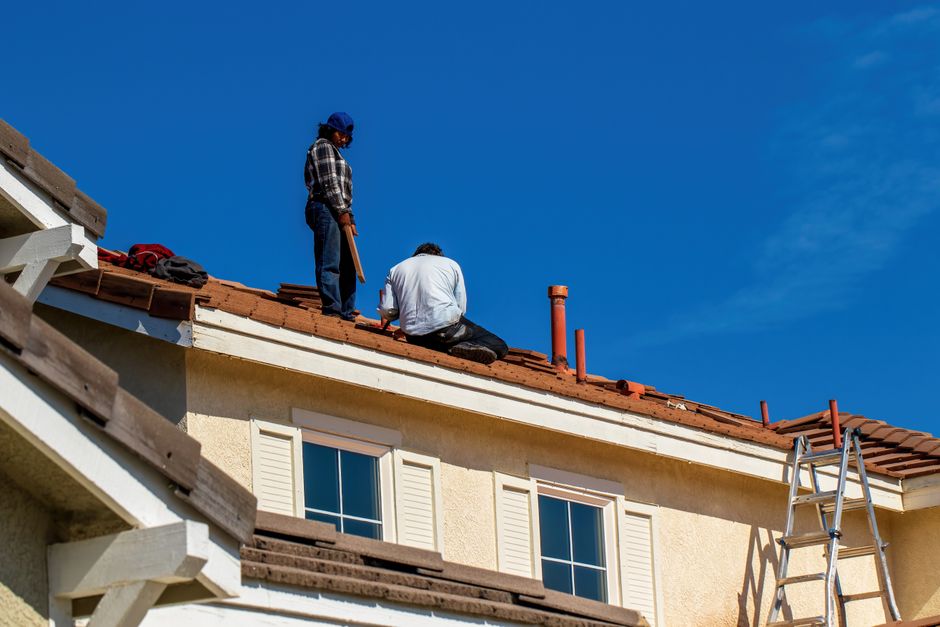
Additionally, the size and complexity of your roof can significantly impact the overall cost. A simple, single-story home will likely cost less to re-roof than a multi-story house with multiple slopes and features like chimneys or skylights. The pitch of the roof also matters; steeper roofs require more safety precautions and specialized labor, which can increase costs.
Labor costs are another critical component of the total price. Depending on your location, labor rates may vary. It’s essential to obtain multiple quotes from reputable contractors to ensure you’re getting a fair price for the work to be done.
Average Costs for Different Roofing Materials
Understanding the average costs associated with various roofing materials can help you make an informed decision. For example, asphalt shingles typically range from $90 to $100 per square (100 square feet), while metal roofing may cost between $150 to $600 per square. Tile roofing can be even more expensive, ranging from $300 to $800 per square, depending on the type of tiles used.
When considering a roof replacement, it’s also essential to factor in the lifespan of the materials. While a cheaper option may save you money upfront, it might require more frequent replacements in the long run. For instance, while asphalt shingles generally last around 20 years, metal roofing can last 50 years or more, making it a potentially cost-effective choice over time.
Additional Costs to Consider
Beyond the basic roofing materials, homeowners should also be aware of additional costs that may arise during a roof replacement project. These can include permits, disposal fees for old roofing material, and any necessary repairs to the underlying structure of the roof. If your roof has significant water damage or rot, you may need to budget for these repairs, which can add to your overall costs.
Furthermore, if your home requires special features such as ventilation systems or insulation, these will also contribute to the final price. Investing in quality ventilation can improve your roof’s longevity and energy efficiency, making it a worthwhile consideration.
Financing Options for Roof Replacement
Given the potentially high costs associated with roof replacement, many homeowners explore financing options. Some contractors offer financing plans that allow you to pay for the project over time, which can help ease the financial burden. Additionally, some government programs and grants may be available to assist with costs, especially if your roof replacement is part of a larger energy efficiency improvement.
It’s also wise to check with your homeowners insurance policy to see if roof replacements are covered. In some cases, if your roof was damaged by a storm or other covered event, your insurance may help alleviate some of the costs involved in replacement.
Conclusion
In summary, understanding the various elements contributing to the roof replacement cost is crucial for homeowners looking to undertake this significant project. By considering factors such as roofing materials, labor costs, and additional expenses, you can better prepare yourself for the financial commitment involved. Always seek multiple quotes and consult with professionals to ensure that you make the best decisions for your home and budget.
About the Author