
In the era of digital content, music videos have become an essential tool for artists to connect with their audience. They serve not only as a visual representation of a song but also as a storytelling medium that can enhance the song’s message. The process of music video production involves a range of creative and technical elements that work together to create compelling visual narratives.
The Pre-Production Phase
Before the cameras start rolling, extensive planning is necessary. The pre-production phase includes developing a concept, writing a treatment, and organizing logistics. Many artists collaborate with directors and producers to brainstorm ideas that reflect the song’s vibe and lyrics. This stage often involves storyboarding, which helps visualize how each shot will look.
Budgeting is another critical aspect during pre-production. Music videos can vary significantly in cost, from low-budget productions that can be done with a smartphone to high-budget projects that involve elaborate sets and special effects. For instance, the music video for “Thriller” by Michael Jackson, which had a budget of approximately $1 million in 1983, is one of the most iconic examples of high-budget music video production.
Location scouting is also an important part of this phase. Filming locations should not only align with the artistic vision but also be logistically feasible. This may involve securing permits, considering accessibility, and ensuring that the location enhances the overall aesthetic of the video.
Production Techniques
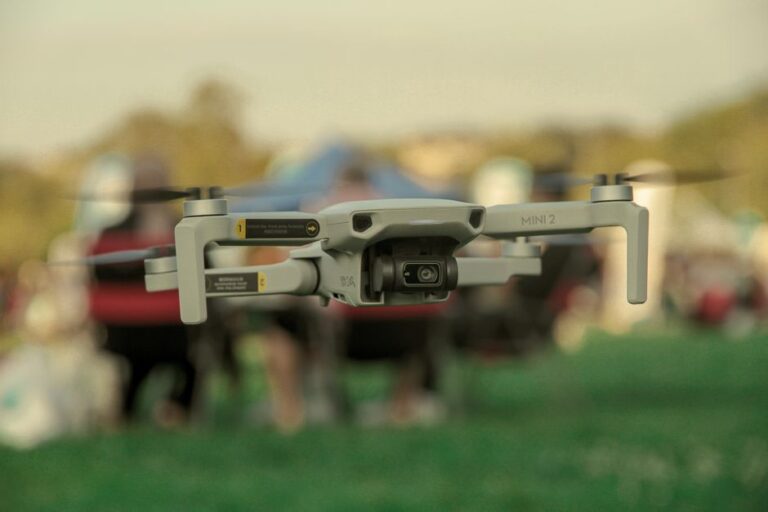
Once pre-production is complete, the actual shooting begins. This is where the magic happens, and various techniques come into play. The choice of camera equipment can greatly affect the final product. High-definition cameras, drones for aerial shots, and specialized rigs for tracking or stabilization are commonly used in music video production.
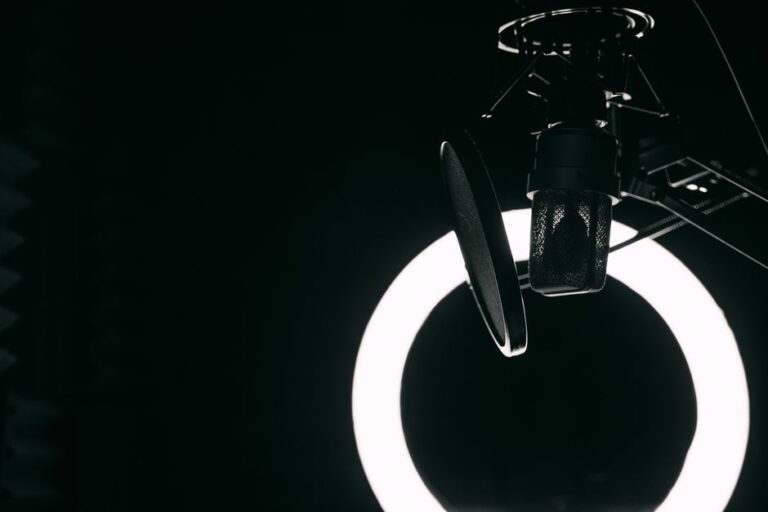
Lighting is another crucial element. Proper lighting can evoke emotions and set the mood for a scene. Many music videos use a combination of natural and artificial lighting to achieve the desired effect. For example, soft lighting can create a romantic atmosphere, while harsh lighting can convey intensity or drama.
During production, directors often work closely with cinematographers to capture the best angles and performances. This collaboration is vital, as the visual storytelling must align with the song’s rhythm and energy. Choreography and performance are integral as well, especially in genres like pop and hip-hop where dance plays a significant role.
The Post-Production Process
After filming, the footage enters the post-production phase, where editing and visual effects come into play. Editors work to cut the footage down to the best takes while ensuring that the pacing syncs with the music. This stage can be time-consuming, as it involves selecting the right shots and creating a coherent story.
Color grading is also an essential part of post-production. This process enhances the visual quality, ensuring that colors are vibrant and consistent throughout the video. Many creators use software like Adobe Premiere Pro or Final Cut Pro for this purpose.
Sound design and mixing provide the final touches, ensuring that the audio quality is impeccable. This includes synchronizing the audio track with the visuals and adding sound effects if necessary. The final product often goes through several rounds of revisions before it is ready for release.
Marketing and Distribution
Once the music video is complete, the next step is to market and distribute it effectively. Social media platforms like YouTube, Instagram, and TikTok are crucial for reaching a wide audience. Many artists release teasers or behind-the-scenes content to generate buzz before the official launch.
Collaboration with influencers or other artists can also enhance visibility. Engaging with fans through social media can create a community around the music, encouraging shares and increased views. For example, the viral success of many TikTok challenges has been closely linked to the popularity of specific music videos.
Analyzing metrics post-release is vital for understanding audience engagement. Tools like YouTube Analytics provide insights into viewer demographics and behavior, helping artists and producers refine their strategies for future releases.
Conclusion
The world of music video production is a fascinating blend of creativity and technical skill. From the initial concept to the final release, each stage requires careful planning and execution. As the landscape of digital content continues to evolve, so too will the methods and techniques used in music video production. By understanding the intricacies involved, artists can create videos that not only enhance their music but also resonate with their audience in a meaningful way.
About the Author