In recent years, aerial drone photography has revolutionized the way we view the world. From breathtaking landscapes to urban cityscapes, drones equipped with high-quality cameras have made it easier than ever to capture stunning images from unique perspectives. This advancement in technology not only benefits professional photographers but also opens doors for hobbyists and businesses alike to explore new creative avenues.
The Evolution of Drone Technology
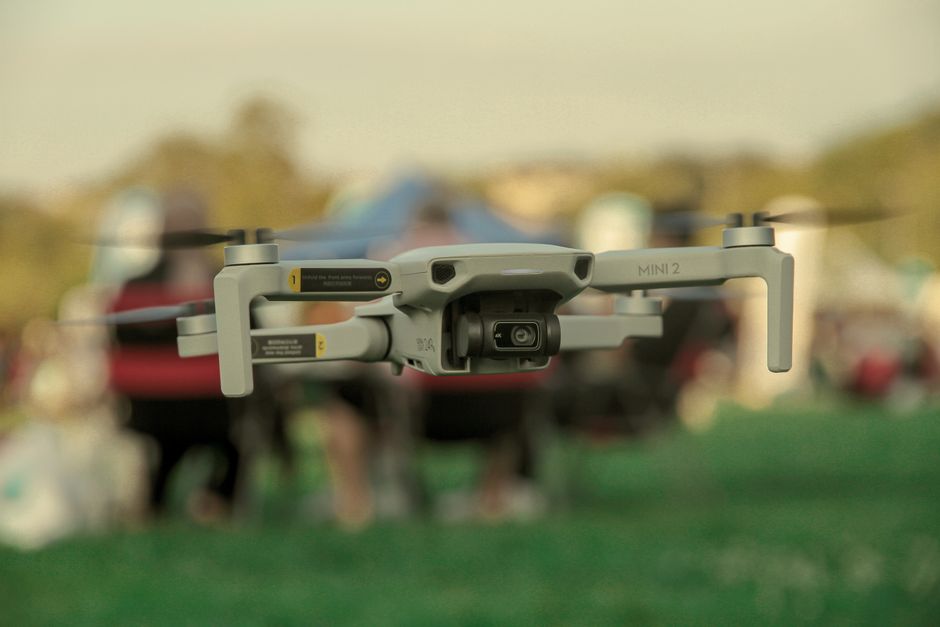
Drone technology has come a long way since its inception. Originally developed for military purposes, drones are now widely available for commercial and personal use. The advent of affordable, user-friendly drones has democratized aerial photography, allowing anyone with a passion for photography to capture high-quality images from the sky.
According to a report by the Federal Aviation Administration (FAA), the number of registered drones in the United States surpassed 1.7 million in 2020. This increase reflects the growing popularity of drones among photographers, real estate agents, and marketers who seek to showcase their work from a new angle. The integration of advanced features such as GPS, stabilization technology, and high-resolution cameras has further enhanced the capabilities of these devices.
Applications of Aerial Drone Photography
Aerial drone photography has various applications across multiple industries. In real estate, for example, drone photography provides potential buyers with stunning visuals of properties from above. Aerial views can highlight features such as large backyards, swimming pools, and proximity to amenities, making listings more attractive.
In addition to real estate, drone photography is increasingly utilized in agriculture. Farmers use drones to monitor crop health, assess irrigation needs, and even detect pests. This technology allows for precision farming, leading to increased yields and reduced costs.
Moreover, the tourism industry has embraced aerial photography to promote destinations. Stunning aerial shots of landmarks and natural wonders create an emotional connection with potential travelers. By showcasing destinations from a bird’s eye view, tourism boards and travel agencies can attract more visitors.
Tips for Capturing Stunning Aerial Photos
For those looking to venture into aerial drone photography, there are several tips to keep in mind for achieving stunning results. First, understanding the basics of composition is essential. Utilizing the rule of thirds, leading lines, and framing can significantly enhance the visual appeal of your images.
Lighting also plays a crucial role in photography. The golden hour—shortly after sunrise or before sunset—provides soft, warm light that can create magical images. Additionally, avoiding harsh midday sun can prevent washed-out photos.
Furthermore, it’s vital to familiarize yourself with your drone’s settings and capabilities. Experimenting with different modes and settings can help you understand how to achieve the best results in various environments. Whether you’re shooting landscapes or urban scenes, knowing your equipment inside and out will give you a significant advantage.
Legal Considerations and Safety Tips
As with any photography, legal considerations are paramount in aerial drone photography. In many countries, regulations govern where and how drones can be flown. In the U.S., for instance, the FAA requires drone operators to register their drones and adhere to specific guidelines, such as maintaining visual line of sight and avoiding restricted airspace.
Moreover, safety should always be a top priority. Before flying, conducting a thorough pre-flight checklist and ensuring that the area is clear of people and obstacles is essential. Additionally, being aware of weather conditions can prevent accidents and ensure a smooth flying experience.
The Future of Aerial Drone Photography
The future of aerial drone photography looks promising as technology continues to evolve. Innovations such as artificial intelligence (AI) and machine learning are paving the way for smarter drones that can automatically capture stunning shots based on learned patterns. This could significantly reduce the learning curve for novice photographers.
Moreover, the integration of drones with other technologies, such as virtual reality (VR) and augmented reality (AR), could revolutionize how we experience aerial photography. Imagine being able to explore a destination through immersive aerial views before even visiting!
For those who want to maximize their aerial photography skills, seeking out professional services can provide valuable insights and expertise. Companies specializing in aerial drone photography can offer guidance, techniques, and even equipment recommendations to help you elevate your photography game.
Conclusion
Aerial drone photography is an exciting and rapidly evolving field that offers endless possibilities for creativity and innovation. As technology advances, so do the opportunities for photographers to capture the world from unique perspectives. Whether you’re a professional looking to enhance your portfolio or a hobbyist eager to explore a new medium, aerial drone photography is sure to inspire and captivate.
About the Author