
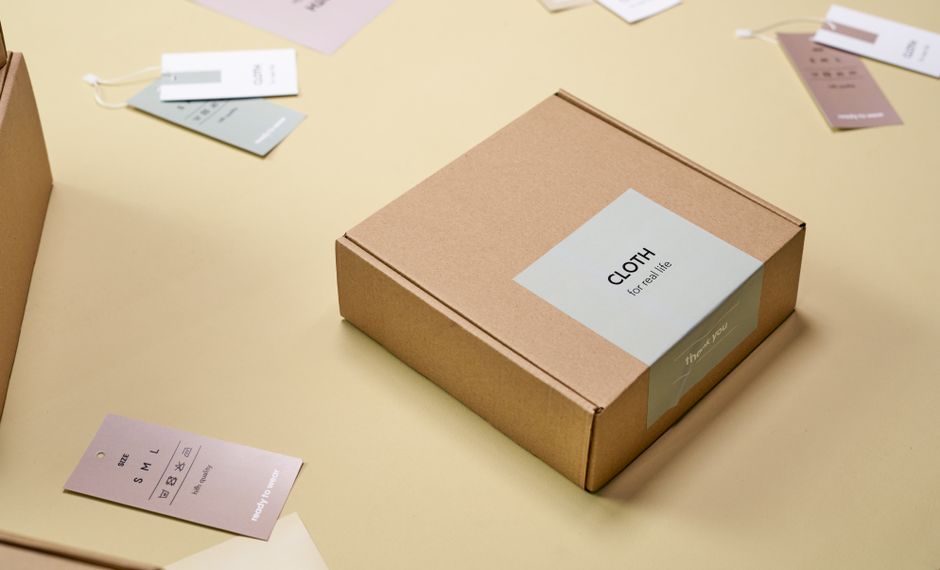
The clothing industry is evolving rapidly, and one of the most significant trends in recent years is the rise of private label clothing. This term refers to apparel that is manufactured by one company but sold under another company’s brand. This model offers businesses a unique way to differentiate themselves in a crowded market while maintaining control over product quality and brand identity. In this article, we will delve into the ins and outs of private label clothing, exploring its benefits, challenges, and key strategies for success.
What is Private Label Clothing?
Private label clothing is essentially a product that is produced by a manufacturer and sold under a retailer’s brand name. This allows retailers to offer unique products without the costs associated with designing and producing clothing from scratch. For instance, a small boutique can collaborate with a manufacturer to create a specific line of clothing that reflects their brand’s ethos. This not only enhances brand identity but also enables retailers to maximize profits by cutting out middlemen.
According to recent market research, the private label clothing sector has been growing steadily, with a projected annual growth rate of 6.5% over the next five years. This growth is driven by consumer demand for unique, high-quality products at competitive prices. Retailers are increasingly recognizing the potential of private label clothing as a way to build customer loyalty and increase their market share.
Advantages of Private Label Clothing
One of the most significant advantages of private label clothing is cost efficiency. Retailers can often achieve higher profit margins compared to selling branded items, as they have direct control over manufacturing costs. Furthermore, private label products allow retailers to establish a distinct brand identity, making it easier to connect with their target audience.
Customization is another key benefit. Retailers can tailor their clothing lines to reflect current fashion trends and customer preferences, ensuring that their offerings remain relevant in a dynamic market. This level of flexibility is often challenging for retailers who rely on third-party brands, as they must adhere to the established product lines and timelines of those brands.
Moreover, private label clothing can enhance customer loyalty. When consumers find a product that resonates with them, they are more likely to return to the retailer for future purchases. This creates a cycle of brand loyalty that is beneficial for long-term business growth.
Challenges in Private Label Clothing
Despite its potential, private label clothing is not without challenges. One significant hurdle is the initial investment required to develop a product line. Retailers must allocate resources for market research, design, and manufacturing, which can be daunting for small businesses. Additionally, finding the right manufacturers who can deliver quality products on time is crucial. Retailers must conduct thorough due diligence to ensure they partner with reputable manufacturers.
Quality control is another critical issue. Retailers must implement strict quality assurance measures to maintain the standards expected by their customers. A single product failure can negatively impact a brand’s reputation and sales. Therefore, establishing a robust quality control system is essential for success in the private label clothing market.
Furthermore, the marketing of private label products can pose challenges. Retailers need to invest in effective marketing strategies to educate consumers about their private label offerings and differentiate them from competitors. This requires a solid understanding of branding and consumer psychology.
Key Strategies for Success in Private Label Clothing
To succeed in the private label clothing industry, retailers should consider several key strategies. First, conducting thorough market research is essential to identify gaps in the market and opportunities for new product lines. Understanding consumer preferences and trends can help retailers create products that resonate with their target audience.
Building strong relationships with manufacturers is also crucial. Retailers should communicate their expectations clearly and work collaboratively with manufacturers to ensure that the final products align with their brand vision. This partnership can lead to better quality control and more efficient production processes.
Additionally, investing in effective branding and marketing is vital. Retailers should focus on creating a unique brand story that resonates with consumers, highlighting the benefits of their private label clothing. Utilizing social media and influencer partnerships can also enhance visibility and reach a broader audience.
Conclusion
Private label clothing offers retailers a unique opportunity to establish their brand identity, enhance customer loyalty, and increase profit margins. While there are challenges associated with this business model, the potential rewards make it an attractive option for many retailers. By conducting thorough market research, building strong manufacturer relationships, and investing in effective branding strategies, businesses can navigate the complexities of the private label clothing market successfully. For those looking to explore this avenue, understanding the nuances of private label clothing is essential for long-term success. To get started, consider checking out resources on private label clothing and the various options available to you.
About the Author