
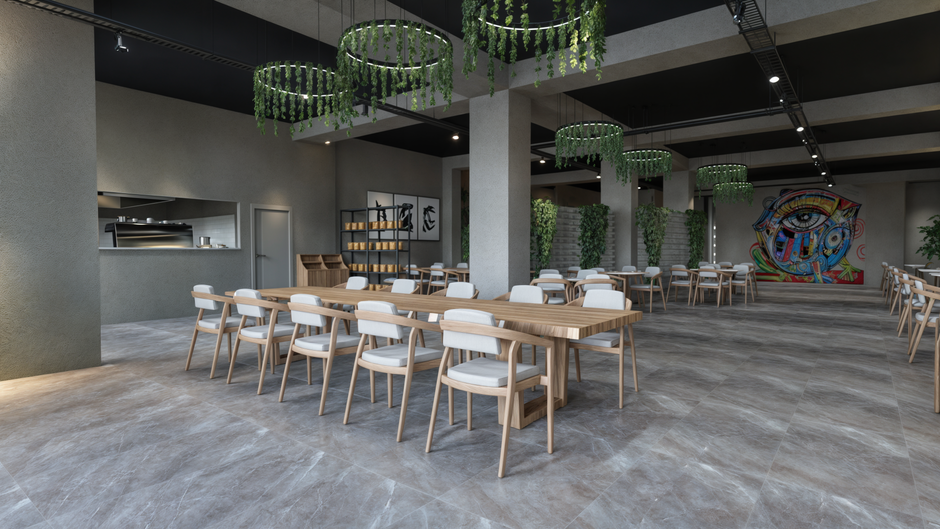
The atmosphere of a restaurant can significantly impact the dining experience. While the food quality is paramount, the design of the interior plays a crucial role in attracting and retaining customers. In this article, we will explore the essential elements of restaurant interior design, from color schemes to layout, and how they can enhance the overall experience.
Understanding the Importance of Restaurant Interior Design
Restaurant interior design is not just about aesthetics; it’s about creating a space that reflects the brand’s identity and ambiance. According to a study by the National Restaurant Association, 60% of diners say that a restaurant’s atmosphere is a major factor in their decision to return. This statistic highlights the importance of investing in a well-thought-out design.
Moreover, the interior design contributes to the functionality of the space. Efficient layouts can enhance workflow for staff, ensuring that service is smooth and timely. This not only improves customer satisfaction but can also lead to increased sales. For instance, an open kitchen concept can create an engaging experience for diners while making it easier for staff to communicate.
Key Elements of Restaurant Interior Design
When designing a restaurant, several key elements must be considered. These include layout, color schemes, furniture selection, lighting, and decor.
Layout is crucial as it dictates the flow of both customers and staff. An efficient layout prioritizes ease of movement, ensuring that patrons can navigate the space comfortably while allowing staff to serve efficiently. For instance, placing the bar near the entrance can encourage social interaction and increase drink sales.
Color schemes play a psychological role in how customers perceive a restaurant. Warm colors, such as reds and oranges, can stimulate appetite, while cooler tones can create a calming environment. It’s essential to choose colors that align with the restaurant’s theme and target audience. For example, a trendy café might opt for vibrant colors to attract a younger crowd.
Choosing the Right Furniture and Decor
Furniture selection is another critical aspect of restaurant interior design. Comfort is key, as patrons are likely to linger longer in a comfortable setting. However, aesthetics should not be compromised. Stylish yet functional furniture can enhance the overall look of the restaurant while providing the necessary comfort.
In addition to furniture, decor elements such as artwork, plants, and wall treatments can contribute to the restaurant’s ambiance. Unique decor can create a memorable experience for diners, encouraging them to share their experience on social media. For instance, a restaurant might feature local artwork, which not only supports local artists but also resonates with the community.
Lighting: Setting the Mood
Lighting is a critical factor in restaurant interior design that can easily alter the mood of the space. Different areas of the restaurant may require different lighting setups. For example, a cozy dining area may benefit from soft, ambient lighting, while the bar might require brighter lights to create an energetic atmosphere.
Moreover, natural light can significantly enhance the dining experience. Restaurants with large windows or outdoor seating can attract more customers during the day, as natural light creates a warm and inviting environment. However, it’s essential to consider how the light changes throughout the day and adjust accordingly.
Incorporating Technology in Restaurant Design
In today’s digital age, technology plays a vital role in restaurant interior design. From digital menus to reservation systems, integrating technology can improve the overall guest experience. For instance, tablets at tables can allow customers to place orders and make payments seamlessly, improving efficiency and satisfaction.
Additionally, smart lighting systems can be programmed to adjust according to the time of day, ensuring that the ambiance remains consistent throughout the evening. Such innovations not only enhance the dining experience but can also streamline operations.
Conclusion
In conclusion, restaurant interior design is a multifaceted aspect that significantly impacts the customer experience. From layout to lighting, each element plays a vital role in creating a space that is not only functional but also inviting. By focusing on the key components of restaurant interior design, restaurateurs can create an ambiance that attracts customers and keeps them coming back. For those looking for inspiration and guidance in their restaurant interior design, exploring professional resources and case studies can provide valuable insights into successful implementations.
About the Author