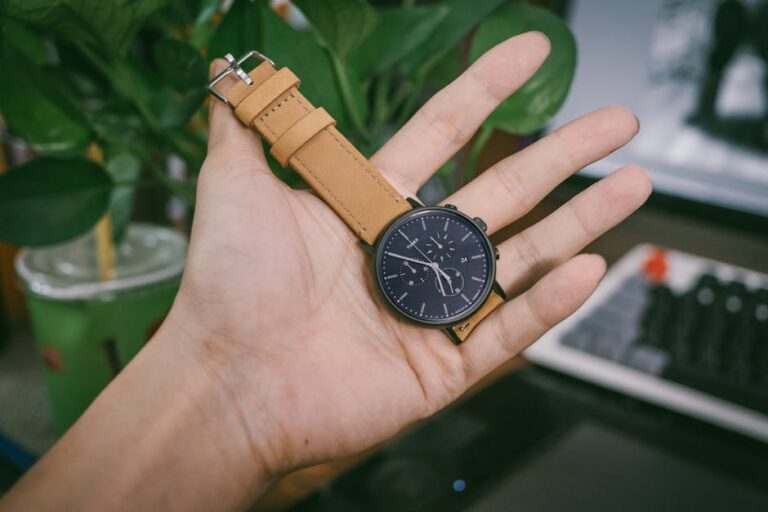
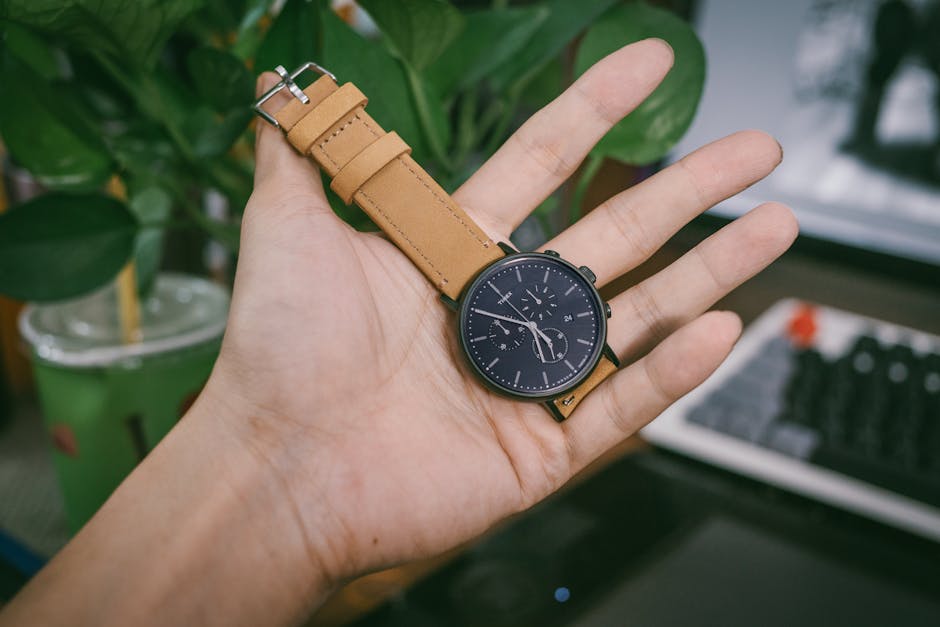
In an era dominated by digital technology, one might question the relevance of traditional wristwatches. Yet, the allure of these timepieces remains unwavering. Wristwatches symbolize not only a means of telling time but also a statement of style, craftsmanship, and personality. This article delves into the multifaceted world of wristwatches, exploring their history, significance, and the various types available today.
The History of Wristwatches
The concept of wearing a watch on the wrist dates back to the late 19th century. Originally, watches were designed as pocket timepieces, but as military needs evolved, soldiers required hands-free devices to keep track of time during battles. This led to the development of wristwatches, which quickly gained popularity among the general public. By the early 20th century, brands like Patek Philippe and Longines began producing elegant wristwatches, paving the way for luxury timepieces.
One of the pivotal moments in wristwatch history was World War I, where soldiers found wristwatches more practical than pocket watches. The practicality combined with elegant designs transformed the wristwatch into a fashionable accessory. Today, vintage models from this era are highly sought after by collectors, showcasing the rich heritage of wristwatches.
The Art of Watchmaking
Watchmaking is often regarded as a meticulous art form, requiring a blend of technical skill and creativity. High-end brands like Rolex and Omega are known for their exceptional craftsmanship and precision. The process of creating a wristwatch involves over 100 individual parts, all working in harmony to keep time accurately.
Many luxury watchmakers still employ traditional methods, with skilled artisans hand-assembling each piece. This dedication to quality is reflected in the price of these timepieces, which can range from a few hundred to several million dollars. For those interested in the world of horology, understanding the intricacies of watch movements, such as mechanical vs. quartz, can enhance the appreciation of these incredible devices.
Wristwatches as Fashion Statements
In addition to their functional aspects, wristwatches have become powerful fashion statements. Celebrities and fashion icons often don specific brands to make a statement, influencing trends and consumer behavior. The market for luxury wristwatches has exploded, with people willing to invest significant sums for limited editions or unique designs.
Moreover, the rise of smartwatches has introduced a new category into the wristwatch market. While traditionalists may argue that smartwatches lack the charm of mechanical timepieces, they undeniably offer a blend of technology and style that appeals to the younger generation. Brands are now merging classic designs with modern technology, creating hybrid models that cater to both tastes.
The Collectibility of Wristwatches
Collecting wristwatches has become a popular hobby for enthusiasts around the world. Some individuals focus on acquiring pieces from specific brands or eras, while others seek out unique complications or limited editions. The thrill of hunting for that perfect watch can be exhilarating, and many collectors enjoy sharing their passion through online communities and forums.
In recent years, the market for vintage and collectible wristwatches has surged, with auctions featuring iconic pieces fetching astronomical prices. Notably, brands like Patek Philippe and Audemars Piguet have held records for the highest auction prices for wristwatches, underscoring their status as investment pieces.
For those new to watch collecting, it is essential to research and understand the market dynamics, as well as the factors that contribute to a watch’s value. Clone watches have also emerged as a popular alternative for those who admire high-end designs but seek more affordable options.
The Future of Wristwatches
As we look to the future, the wristwatch industry faces both challenges and opportunities. The rise of technology and changing consumer preferences may lead to a shift in how we perceive timepieces. However, the enduring appeal of craftsmanship and tradition suggests that wristwatches will continue to hold a special place in our lives.
Brands are increasingly focusing on sustainability and innovation, utilizing eco-friendly materials and technology to appeal to a conscious consumer base. Furthermore, the integration of smart features into traditional designs may pave the way for a new era of wristwatches that marry the best of both worlds.
Conclusion
The wristwatch is more than just a tool for keeping track of time; it is a reflection of personal style, history, and craftsmanship. From their humble beginnings to their current status as fashion statements and collectibles, wristwatches have undeniably shaped our perception of time and elegance. As the industry evolves, it will be exciting to see how traditional values blend with modern innovations, ensuring that the wristwatch remains a cherished accessory for generations to come.
About the Author