
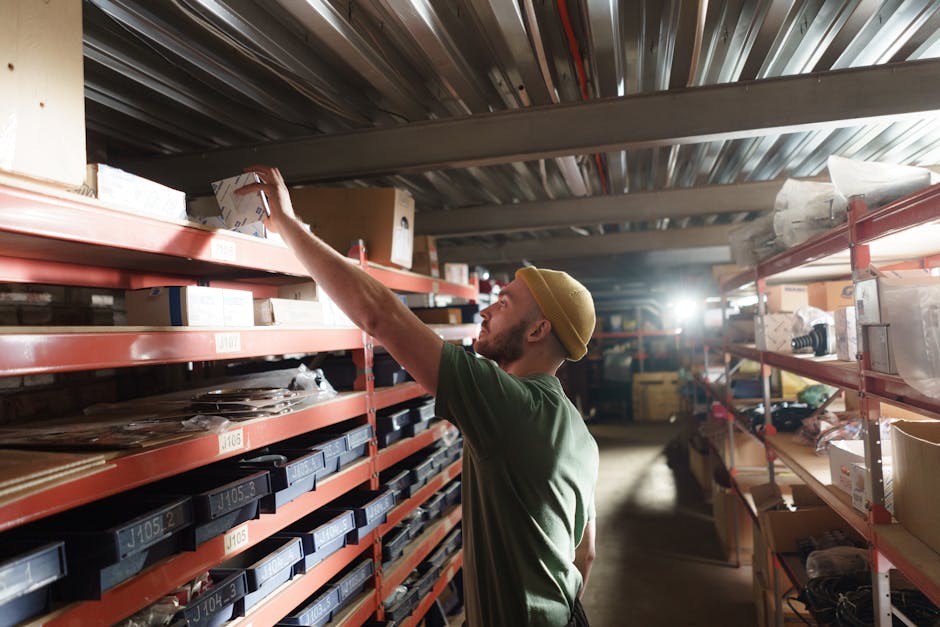
The role of distributors in the supply chain is often underestimated. However, they serve as a crucial link between manufacturers and retailers, ensuring that products reach consumers efficiently and effectively. Distributors manage logistics, inventory, and sometimes even marketing, allowing manufacturers to focus on what they do best: producing goods. In this article, we will explore the various functions of distributors, the advantages they offer, and how they adapt to changing market conditions.
What is a Distributor?
A distributor is an entity that purchases products from manufacturers and resells them to retailers or directly to consumers. They play a vital role in the supply chain by acting as intermediaries. Distributors help manufacturers expand their market reach and provide retailers with a range of products without the need for them to deal directly with multiple manufacturers.
Distributors can operate in various industries, from electronics to food and beverage, each adapting their strategies to suit the specific needs of their market. For example, a distributor in the electronics sector may need to focus on fast-moving consumer goods, while one in the food industry may prioritize perishables and supply chain efficiency.
The Advantages of Working with Distributors
One of the primary advantages of working with distributors is their ability to streamline the supply chain. By handling logistics, such as warehousing and transportation, distributors can reduce the burden on manufacturers and retailers alike. They often have established relationships with various logistics companies, ensuring timely delivery of products.
Moreover, distributors can provide valuable market insights. Their experience and knowledge of consumer behavior can help manufacturers tailor their products and marketing strategies to meet the demands of the market. For instance, a distributor might recognize an emerging trend in consumer preferences, allowing manufacturers to adapt their offerings accordingly.
The Evolving Role of Distributors in the Digital Age
With the rise of e-commerce, the role of distributors has evolved significantly. Many distributors are now leveraging online platforms to reach a broader audience. This shift has allowed them to compete with direct-to-consumer models by offering convenience and a vast selection of products.
Additionally, some distributors are beginning to offer digital marketing services to their clients. This includes managing online advertisements and social media campaigns, helping manufacturers increase their visibility in a crowded marketplace. For example, a distributor might use targeted online advertising to promote a new product launch, thereby driving sales more effectively.
Challenges Faced by Distributors
Despite their advantages, distributors face several challenges in today’s market. Increased competition from direct-to-consumer brands and other distributors can lead to pricing pressures. Additionally, the rapid pace of technological change means that distributors must continually adapt their operations to stay relevant.
Furthermore, supply chain disruptions, such as those caused by global events like the COVID-19 pandemic, have highlighted the vulnerabilities in distribution networks. Distributors must be agile and innovative, implementing strategies such as diversifying their supplier base to mitigate risks.
Future Trends in Distribution
Looking ahead, the distribution industry is likely to see continued innovation. Technologies such as artificial intelligence and automation are set to revolutionize how distributors operate. For instance, AI can help optimize inventory management, ensuring that products are available when and where they are needed.
Moreover, sustainability is becoming a key focus for many distributors. As consumers increasingly demand eco-friendly products, distributors are finding ways to implement sustainable practices in their operations. This includes reducing waste in packaging and logistics, as well as sourcing products from environmentally responsible manufacturers.
In conclusion, distributors play an essential role in modern commerce, facilitating the movement of goods from manufacturers to consumers. As they adapt to new challenges and opportunities, their importance in the supply chain will only continue to grow. With the right strategies and innovations, distributors can navigate the complexities of the market while providing valuable services to both manufacturers and retailers. For instance, incorporating effective product lines like BPC157+TB500 can enhance their portfolio and meet customer demands.
About the Author