As the world grapples with the challenges of population growth, climate change, and dwindling arable land, agricultural innovation has never been more crucial. Among the most promising solutions is vertical farming technology, a method that utilizes vertically stacked layers to grow crops in a controlled environment. This article delves into the intricacies of vertical farming, its benefits, challenges, and its role in shaping the future of food production.
Understanding Vertical Farming
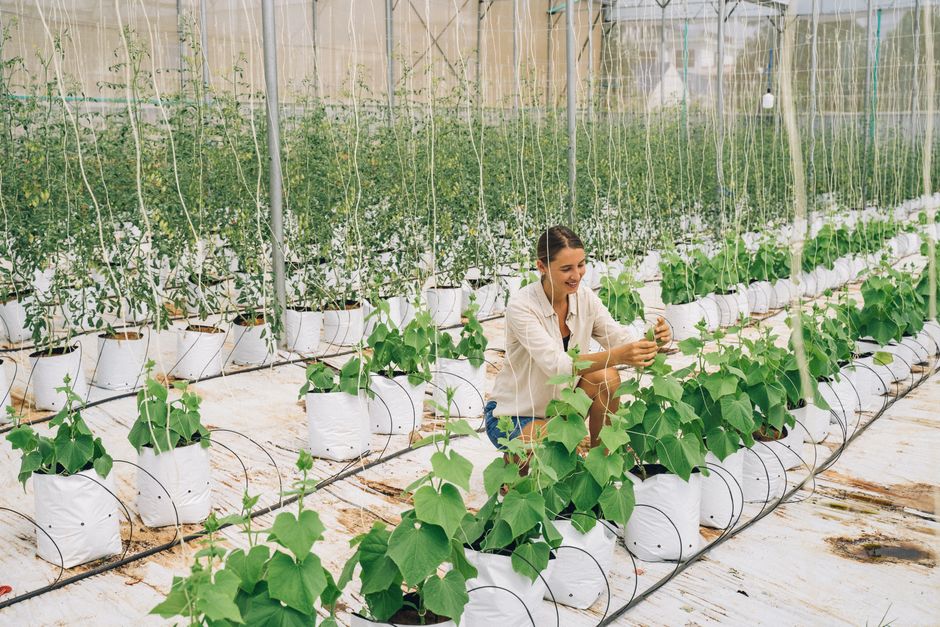
Vertical farming is a revolutionary approach to agriculture, characterized by the cultivation of plants in stacked layers. These systems can be integrated into existing infrastructure, including warehouses and shipping containers, thereby maximizing space and resource efficiency. In essence, vertical farms use advanced technologies such as hydroponics, aeroponics, and aquaponics to grow crops without soil. This method not only conserves water but also minimizes the use of pesticides and fertilizers, paving the way for organic farming.
According to a report by the Food and Agriculture Organization (FAO), urban agriculture, including vertical farming, could contribute significantly to food security in cities. By producing food locally, vertical farms reduce transportation costs and carbon emissions associated with traditional farming methods. Moreover, they can operate year-round, ensuring a steady supply of fresh produce regardless of external weather conditions.
Technological Innovations Driving Vertical Farming
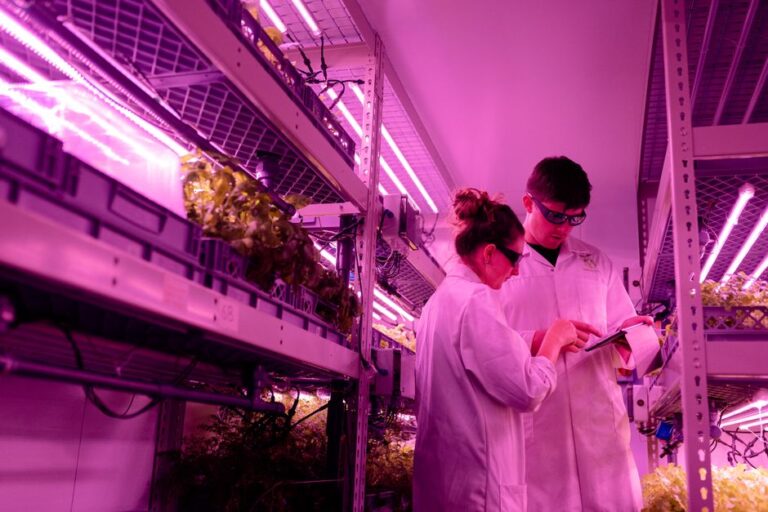
The success of vertical farming technology hinges on several key innovations. These include climate control systems, LED lighting, and automated nutrient delivery systems. Climate control technologies allow for precise management of temperature, humidity, and air circulation, creating optimal growing conditions for plants. LED grow lights, with their ability to emit specific wavelengths of light, help to maximize photosynthesis, leading to faster growth rates.
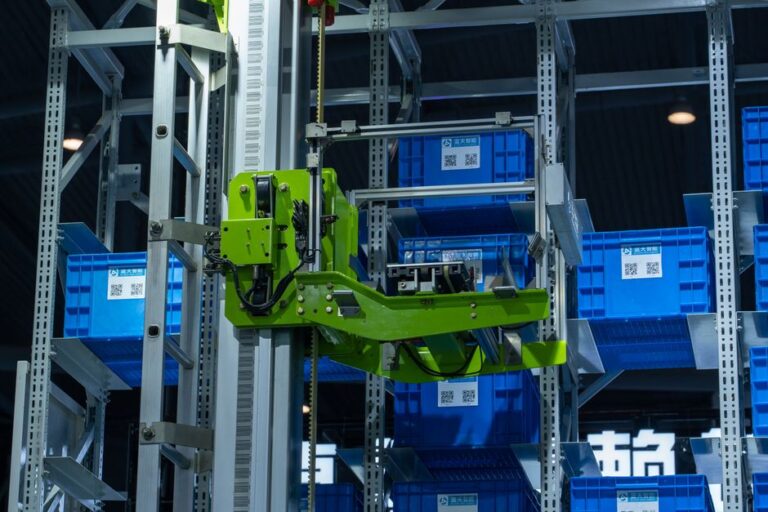
Furthermore, automated systems for nutrient delivery ensure that plants receive the right amount of nutrients at the right time. This level of precision not only enhances crop yield but also reduces waste, making vertical farming a sustainable choice. For instance, a recent study highlighted that vertical farms can yield up to 10 times more produce per square foot compared to traditional farms, demonstrating the efficiency of this innovative approach.
Economic Viability and Market Trends
The economic landscape for vertical farming is rapidly evolving. As urban populations grow, the demand for fresh, locally sourced produce is on the rise. According to market research, the global vertical farming market is projected to reach USD 12.77 billion by 2026, growing at a CAGR of 24.8% from 2021 to 2026. This growth is driven by increasing investments in agricultural technology and the rising popularity of organic foods.
However, the initial setup costs for vertical farms can be high, which poses a challenge for new entrants in the market. Despite this, many entrepreneurs are finding ways to make vertical farming economically viable. For example, some are adopting a community-supported agriculture (CSA) model, where consumers pay upfront for a share of the harvest, thus securing funding for operations. Others are partnering with local restaurants and grocery stores to create a stable customer base.
Environmental Impact and Sustainability
One of the most compelling arguments for vertical farming technology is its potential to mitigate environmental issues associated with conventional agriculture. Traditional farming often requires vast amounts of land, leading to deforestation and loss of biodiversity. In contrast, vertical farms can be established in urban areas, utilizing less land and reducing the pressure on natural ecosystems.
Moreover, vertical farming significantly reduces water usage. A report from the National Resources Defense Council (NRDC) indicates that vertical farms can use up to 90% less water than traditional farms, thanks to recirculating water systems. This is especially crucial in regions prone to drought, where water scarcity threatens food production.
Challenges and the Road Ahead
Despite its many advantages, vertical farming technology is not without challenges. High energy consumption, particularly for lighting and climate control, remains a significant concern. As the industry grows, finding sustainable energy solutions will be critical to enhancing the viability of vertical farming operations.
Additionally, the technology requires a skilled workforce proficient in both agricultural practices and technology. Education and training will be essential to equip future farmers with the necessary skills to operate vertical farms effectively. Collaborations between educational institutions and vertical farming companies can help cultivate this talent.
Conclusion
Vertical farming technology represents a transformative shift in agricultural practices, offering a sustainable solution to the pressing challenges of food production in urban settings. As technological advancements continue to emerge, the potential for vertical farming to enhance food security, reduce environmental impact, and foster economic growth is immense. Embracing this innovative approach may very well be the key to feeding the world’s growing population while preserving the planet for future generations. For those interested in exploring more about vertical farming technology, the future looks promising.
About the Author