
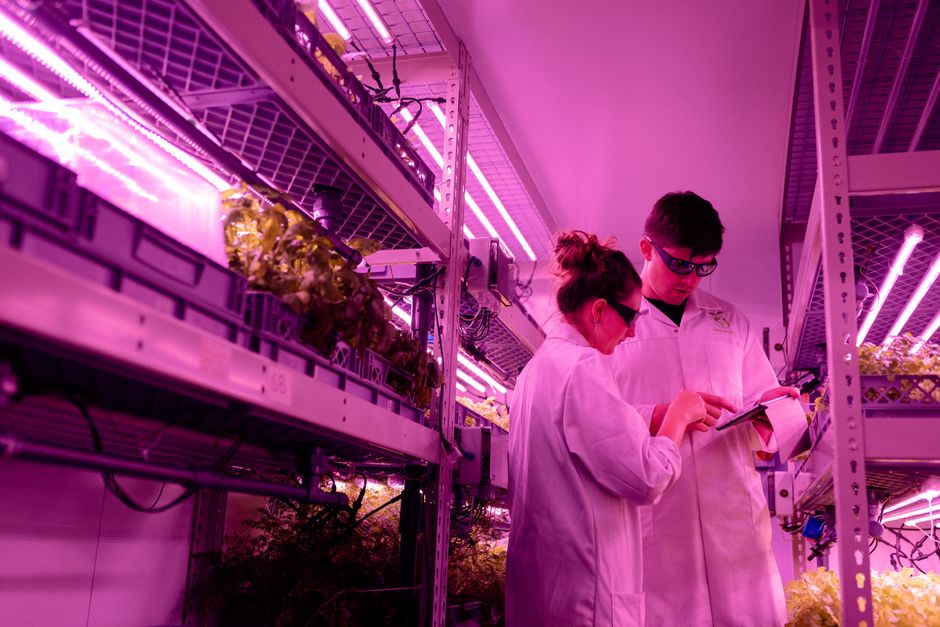
As the global population continues to grow, the demand for sustainable food production methods has never been more critical. Among the various innovative solutions emerging, vertical farming technology stands out as a transformative approach that promises to revolutionize the agricultural landscape. By utilizing vertical space to cultivate crops, this method not only increases yield but also minimizes the environmental footprint associated with traditional farming.
Understanding Vertical Farming
Vertical farming involves growing crops in vertically stacked layers, often within controlled indoor environments. This innovative technique utilizes hydroponics, aquaponics, and aeroponics to optimize plant growth without soil. The concept of vertical farming is not entirely new; however, advancements in technology have propelled it into the mainstream as a viable solution to food security.
One of the key benefits of vertical farming is its ability to produce food in urban areas, reducing the need for long-distance transportation. A study by the National Academy of Sciences found that vertical farms could produce up to 100 times more food per square foot than traditional farms, making them an attractive option for densely populated cities.
Moreover, vertical farms can operate year-round, unaffected by seasonal changes or adverse weather conditions. This capability not only ensures a steady food supply but also reduces the risk of crop failure, which is a significant concern in conventional farming.
Technological Innovations Driving Vertical Farming
The success of vertical farming is heavily reliant on technological advancements. LED lighting, for instance, plays a crucial role in creating optimal growing conditions. By providing the specific wavelengths of light that plants need for photosynthesis, LED lights enhance growth rates while consuming less energy compared to traditional lighting.
Additionally, climate control systems that monitor and regulate temperature, humidity, and CO2 levels are essential for maximizing crop yields. These systems utilize sensors and automation technology to create ideal growing environments, further contributing to the efficiency of vertical farms.
Another significant technological aspect is the use of data analytics. Vertical farms employ sophisticated software to track plant growth, predict yields, and manage resources effectively. This data-driven approach allows farmers to make informed decisions, ultimately leading to increased productivity and reduced waste.
Economic and Environmental Impact
The economic implications of vertical farming are profound. By reducing transportation costs and providing fresh produce to urban areas, vertical farms can offer competitive prices while maintaining high-quality standards. According to a report by Research and Markets, the global vertical farming market is expected to reach $12.77 billion by 2026, reflecting the growing interest and investment in this sector.
From an environmental perspective, vertical farming technology significantly reduces water usage compared to traditional agriculture. Hydroponic systems, for example, can use up to 90% less water, making them a sustainable choice in regions facing water scarcity. Furthermore, vertical farms can operate on abandoned urban spaces, repurposing land that would otherwise go unused.
However, it is essential to recognize that vertical farming is not without its challenges. High initial investment costs and ongoing operational expenses can be barriers for many potential farmers. Nevertheless, as technology continues to evolve and become more accessible, these challenges are likely to diminish.
Case Studies: Successful Vertical Farms
Several successful vertical farms around the world serve as compelling case studies showcasing the potential of this technology. For instance, AeroFarms, based in Newark, New Jersey, utilizes aeroponic systems to grow greens indoors without soil. Their innovative approach has attracted significant investment and attention, demonstrating the viability of vertical farming on a larger scale.
Another notable example is the Vertical Harvest farm in Jackson, Wyoming, which combines social entrepreneurship with sustainable agriculture. This farm employs individuals with disabilities, providing them with meaningful jobs while contributing to the local food system.
These case studies not only highlight the technological advancements in vertical farming but also underscore its potential to create social and economic benefits in communities.
The Future of Vertical Farming
Looking ahead, the future of vertical farming technology appears promising. As urbanization continues to rise, the need for innovative agricultural solutions will become increasingly urgent. Vertical farming offers a scalable and sustainable approach to food production, capable of meeting the demands of an ever-growing population.
Furthermore, with ongoing research and development, we can expect to see improvements in crop varieties specifically suited for vertical farming, as well as advancements in automation and robotics that can streamline operations.
In conclusion, vertical farming technology is poised to reshape the agricultural landscape, offering solutions to some of the most pressing challenges facing our food systems today. With its potential to enhance productivity, reduce environmental impact, and create economic opportunities, vertical farming represents a significant step forward in the quest for sustainable food production.
For further insights, explore the advancements in vertical farming technology and how they are changing the way we think about agriculture.
About the Author