Perfume has been an integral part of human culture for centuries, weaving itself into the narratives of love, power, and identity. From ancient rituals to modern-day luxury, fragrances tell stories that transcend time and geography. In this article, we delve into the fascinating world of perfume, exploring its history, the art of fragrance creation, and the emotional connections we forge through scent.
The History of Perfume
Perfume dates back to ancient civilizations, with the earliest recorded use in Mesopotamia around 4000 BC. The Egyptians were known for their elaborate rituals involving scented oils and incense, often used in religious ceremonies. They believed that fragrances had the power to connect them with the divine. Fast forward to the Renaissance, where the art of perfumery blossomed in Europe, particularly in France. The court of Louis XIV became a hub for scent creation, with the king himself promoting the use of perfume as a means of social status.
By the 19th century, the perfume industry began to evolve with the introduction of synthetic ingredients, allowing for a broader range of scents and more affordable options. This shift democratized fragrance, making it accessible to the masses. Today, the global fragrance market is worth over $30 billion, reflecting its enduring appeal and significance.
The Art of Fragrance Creation
Creating a perfume is akin to composing a symphony. Perfume makers, or ‘noses’, craft fragrances using a careful balance of top, middle, and base notes. Top notes are the initial scents that greet you, often citrusy or fresh. Middle notes form the heart of the fragrance, providing depth and character, while base notes linger long after the initial application, offering warmth and richness.
One of the most revered fragrance houses, Maison Francis Kurkdjian (MFK), epitomizes the artistry involved in perfume creation. Founded by Francis Kurkdjian, a perfumer known for his innovative approach, the brand is celebrated for its luxurious and complex scents. Each fragrance tells a story, often inspired by personal experiences or emotions, resulting in unique olfactory masterpieces.
The Emotional Impact of Scent
Fragrance has a profound emotional impact, often evoking memories and feelings. Studies have shown that scent is closely linked to memory recall, making it a powerful tool for emotional connection. A particular fragrance can transport individuals back to a cherished moment, such as a first date or a family gathering.
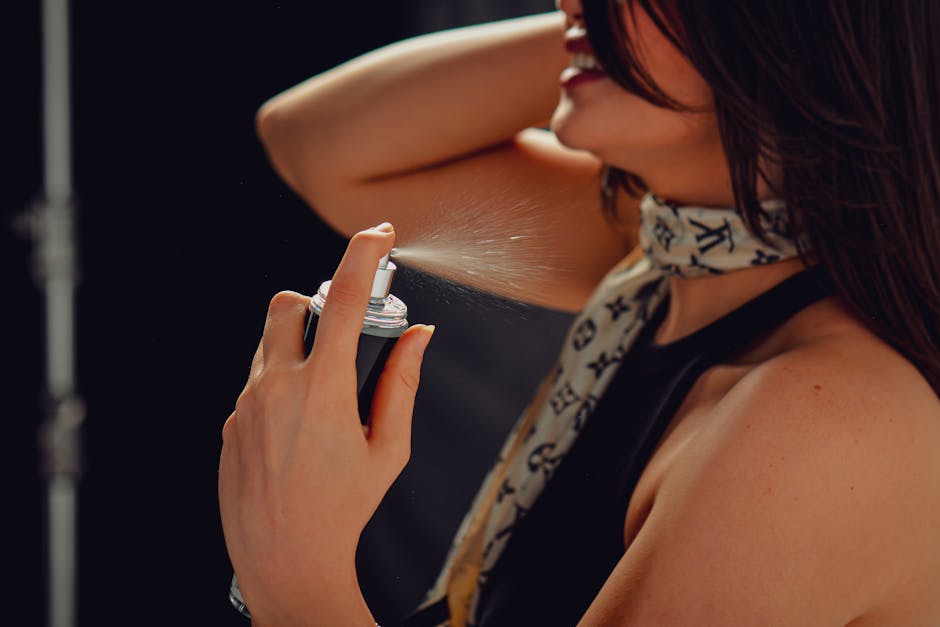
Moreover, wearing a specific perfume can enhance a person’s confidence and mood. The act of applying fragrance can serve as a daily ritual, a moment of self-care that sets the tone for the day. Many people choose scents that resonate with their personal identity, using fragrance as a form of self-expression.
Trends in the Perfume Industry
The perfume industry is continually evolving, with trends shifting in response to consumer preferences and societal changes. Currently, there is a growing demand for niche and artisanal fragrances, as consumers seek unique and personalized scent experiences. Sustainability is also becoming increasingly important, with many brands adopting eco-friendly practices in sourcing ingredients and packaging.
Additionally, the rise of gender-neutral fragrances reflects a broader movement towards inclusivity in the beauty industry. Brands are now creating scents that appeal to a diverse audience, breaking down traditional gender norms associated with fragrance.
Conclusion
The world of perfume is rich and multifaceted, encompassing history, artistry, and emotional resonance. As we continue to explore and appreciate the nuances of fragrance, it becomes evident that perfume is more than just a product; it is a form of art that connects us to our past, enhances our present, and influences our future. Whether you are a fragrance connoisseur or a casual wearer, the allure of perfume will always hold a special place in our lives.
About the Author