
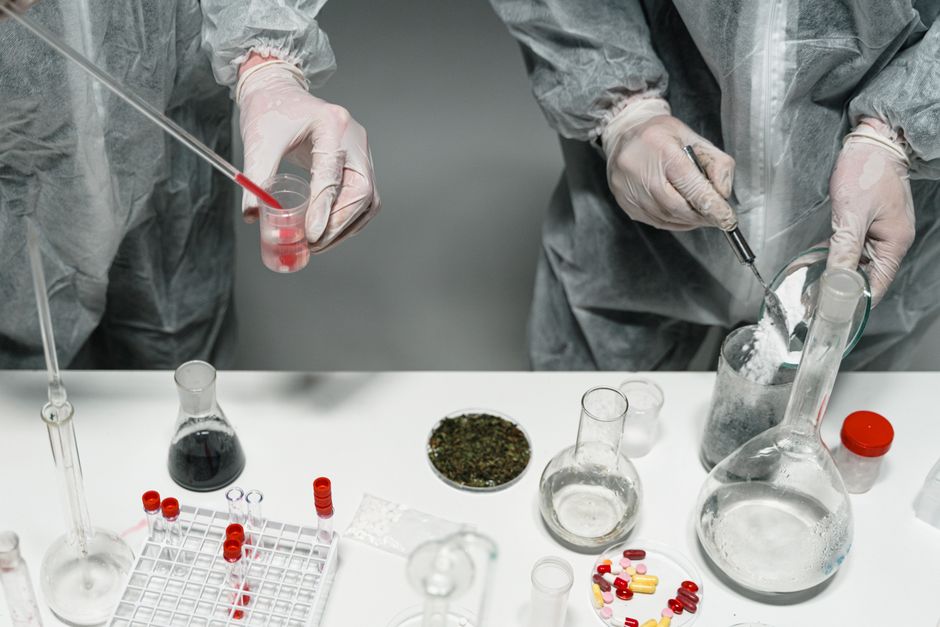
In today’s fast-paced world, ensuring a safe and drug-free environment is more crucial than ever. Drug testing services play a vital role in various sectors, from workplaces to schools, helping to maintain safety and compliance. This article explores the significance, types, and processes involved in drug testing services, providing insights for employers, organizations, and individuals alike.
Understanding Drug Testing Services
Drug testing services encompass a variety of procedures designed to detect the presence of illegal substances and controlled medications in individuals. These services are commonly utilized by employers to ensure a drug-free workplace, by sports organizations to maintain fair competition, and even by parents concerned about their children’s safety.
The primary goal of drug testing is to identify substance abuse, which can lead to various health issues and unsafe behaviors. According to the National Institute on Drug Abuse, substance abuse costs the U.S. economy over $600 billion annually in lost productivity, healthcare expenses, and crime-related costs. This staggering figure highlights the importance of proactive measures like drug testing.
Types of Drug Testing Methods
There are several methods of drug testing, each with its advantages and limitations. The most common types include urine testing, hair testing, saliva testing, and blood testing.
Urine testing is the most widely used method due to its cost-effectiveness and ease of administration. It can detect a range of substances, including marijuana, cocaine, and opiates, typically within a few days to a week after use. On the other hand, hair testing can provide a longer detection window, identifying drug use over the past 90 days. This method is particularly useful for employers who want to screen candidates for long-term substance use.
Saliva testing, while less common, offers the advantage of being non-invasive and providing immediate results. It can detect recent drug use, making it suitable for on-the-spot testing in workplaces. Blood testing, although more accurate, is generally reserved for specific situations due to its invasive nature and higher costs.
The Process of Drug Testing
The process of drug testing typically involves several key steps, beginning with the collection of samples. In workplace settings, employers often partner with certified drug testing services to ensure compliance with legal and regulatory requirements.
Once the sample is collected, it undergoes a screening process using immunoassay tests, which provide preliminary results. If the initial test is positive, a confirmatory test using gas chromatography-mass spectrometry (GC-MS) is conducted to ensure accuracy. This two-step process helps to minimize false positives, ensuring that individuals are not unjustly penalized.
After testing is complete, results are reported to the employer or organization, who must then decide on the appropriate course of action based on their policies. This may include counseling, rehabilitation programs, or disciplinary measures.
Legal and Ethical Considerations
When implementing drug testing services, organizations must navigate various legal and ethical considerations. For instance, employers need to ensure that their drug testing policies comply with local, state, and federal laws, which can vary significantly.
Moreover, it is essential to maintain the privacy and confidentiality of individuals undergoing testing. Employers must inform employees about the testing process and obtain consent, ensuring transparency and trust. Ethical considerations also extend to the potential impact on individuals’ lives, making it crucial to approach drug testing with fairness and sensitivity.
Benefits of Utilizing Drug Testing Services
Investing in drug testing services offers numerous benefits for organizations, including enhanced workplace safety, reduced liability, and increased productivity. By creating a drug-free environment, employers can protect their workforce and minimize the risk of accidents caused by substance abuse.
Furthermore, drug testing can help organizations identify employees in need of support and intervention, promoting overall well-being. Implementing a robust drug testing program can also enhance a company’s reputation and attract high-quality talent who value a safe and responsible workplace.
For organizations looking to implement a reliable drug testing service, partnering with established providers can ensure accurate results and compliance with industry standards.
Conclusion
In conclusion, drug testing services are an essential component of maintaining safety and compliance across various sectors. By understanding the different types, processes, and implications of drug testing, organizations can make informed decisions that benefit both their employees and overall productivity. As society continues to address the challenges of substance abuse, drug testing services will remain a critical tool in promoting health and safety in the workplace and beyond.
About the Author