
In the world of agriculture, the importance of efficient water management cannot be overstated. As climate change continues to impact weather patterns and water availability, the implementation of effective irrigation systems has become more crucial than ever. This article explores the various types of irrigation systems, their benefits, and how to choose the right one for your agricultural or gardening needs.
Understanding Irrigation Systems
Irrigation systems are designed to deliver water to crops, gardens, and landscapes in a controlled manner. These systems can vary greatly in terms of technology, design, and application. Traditional methods, such as surface irrigation, have been used for centuries, but advancements have led to more efficient systems like drip and sprinkler irrigation.
Surface irrigation involves distributing water over the soil surface, allowing it to seep into the ground. While this method is straightforward, it can lead to water wastage and is less efficient in terms of delivery. On the other hand, drip irrigation delivers water directly to the root zone of plants through a network of tubing and emitters, significantly reducing evaporation and runoff.
Modern irrigation systems often incorporate technology such as sensors, timers, and automatic controllers, making it easier to optimize water usage and improve crop yields.
Types of Irrigation Systems
There are several types of irrigation systems, each with its unique advantages and disadvantages. Understanding these can help you select the best system for your specific needs.
1. Drip Irrigation: This system is highly efficient in water usage, delivering water slowly and directly to the plant roots. It is ideal for row crops, orchards, and greenhouses. Studies have shown that drip irrigation can reduce water consumption by up to 50% compared to traditional methods.
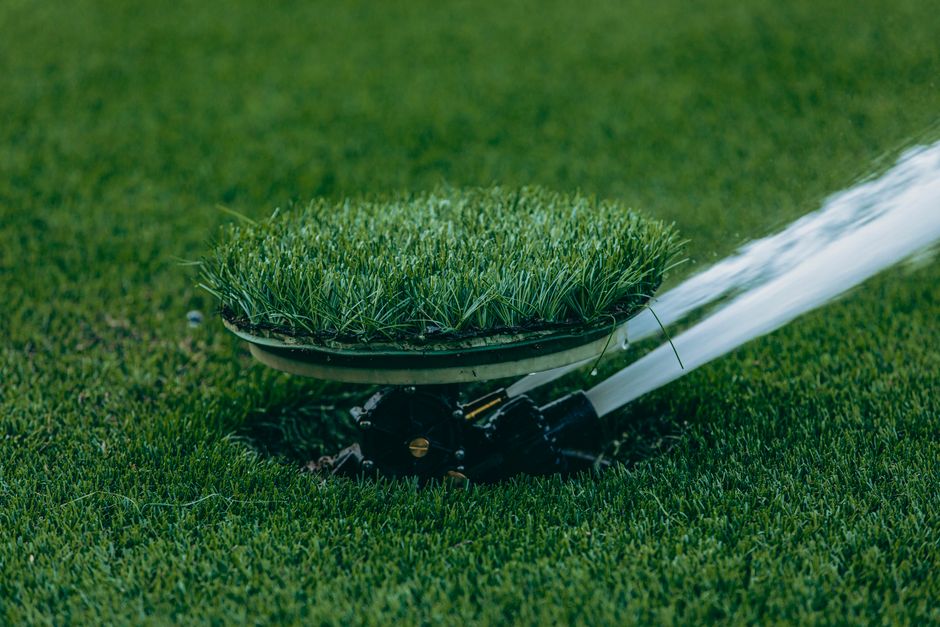
2. Sprinkler Irrigation: This type mimics natural rainfall by spraying water through the air. It can cover large areas and is suitable for various crops. However, it may lead to water loss through evaporation and wind drift, especially in hot climates.
3. Surface Irrigation: This traditional method involves flooding fields with water. While it is simple and low-cost, it requires careful management to prevent erosion and waterlogging.
4. Subsurface Irrigation: A more advanced technique, subsurface irrigation involves burying pipes below the surface to deliver water directly to the root zone. This method minimizes evaporation and can improve soil health.
Benefits of Efficient Irrigation Systems
Investing in an efficient irrigation system offers numerous benefits for farmers and gardeners alike. Here are some key advantages:
1. Water Conservation: Efficient irrigation systems significantly reduce water usage, which is crucial in regions facing water scarcity. For instance, drip irrigation can save thousands of gallons of water annually.
2. Improved Crop Yields: By delivering water directly to the plant roots, these systems help ensure that crops receive the right amount of water at the right time, leading to healthier plants and higher yields.
3. Reduced Labor Costs: Automated irrigation systems can greatly reduce the time and labor required for watering, allowing farmers to allocate resources more effectively.
4. Environmental Protection: Efficient irrigation reduces runoff and minimizes the risk of soil degradation and pollution of water bodies, contributing to a healthier ecosystem.
Choosing the Right Irrigation System
When selecting an irrigation system, several factors should be considered:
1. Crop Type: Different crops have varying water requirements. Understanding the specific needs of your plants is essential in choosing the right system.
2. Soil Type: Soil texture and composition can affect how water is absorbed and retained. For example, sandy soils may require more frequent watering compared to clay soils.
3. Budget: The initial cost of the irrigation system, as well as ongoing maintenance, should be considered. While some systems may have a higher upfront cost, they can save money in the long run through water conservation and increased yields.
4. Local Climate: Understanding your local climate and weather patterns is vital in selecting an irrigation system that can withstand environmental challenges.
Conclusion
The implementation of an effective irrigation system is essential for modern agriculture and gardening. By understanding the various types of systems available, their benefits, and how to choose the right one, you can ensure that your plants thrive while conserving precious water resources. As technology continues to evolve, the future of irrigation looks promising, with innovations aimed at increasing efficiency and sustainability. For those interested in a comprehensive overview of irrigation systems, resources like irrigation system studies can provide valuable insights into best practices and advancements in the field.
About the Author