
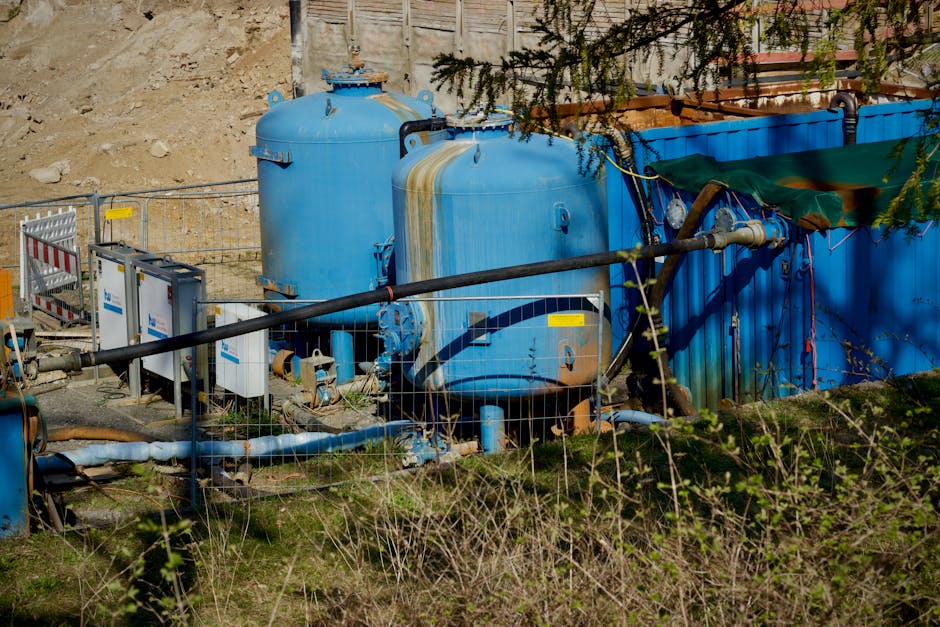
Septic tanks play a crucial role in managing wastewater for many homes, especially those located in areas without access to municipal sewer systems. Regular cleaning and maintenance of these tanks are essential to ensure their efficient operation and to prevent costly repairs. In this article, we will explore the importance of septic tank cleaning, how often it should be done, the signs of a failing system, and the best practices for maintaining your septic system.
Why Regular Septic Tank Cleaning is Important
Septic tanks are designed to break down solid waste and treat wastewater before it is released into the soil. Over time, solids can accumulate in the tank, leading to clogs and backups. According to the Environmental Protection Agency (EPA), neglecting to clean your septic tank can lead to system failure, environmental contamination, and costly repairs. Regular cleaning helps to remove sludge, scum, and other debris, ensuring that the system operates efficiently.
Furthermore, a well-maintained septic system can enhance property value. Potential buyers may be deterred by a poorly maintained septic system, fearing expensive repairs or health hazards. By keeping your septic tank clean, you not only protect your investment but also contribute to the safety of the environment.
How Often Should You Clean Your Septic Tank?
The frequency of septic tank cleaning depends on several factors, including the size of the tank, the number of people in the household, and the amount of wastewater generated. Generally, it is recommended to have your septic tank cleaned every 3 to 5 years. However, larger households may require more frequent cleaning.
To determine the right schedule for your system, consider keeping a maintenance log that records when the tank was last pumped and inspected. This log can help you stay on top of your septic maintenance and prevent emergencies.
Signs Your Septic System Needs Attention
It’s crucial to recognize the warning signs that your septic system may be failing. Some common indicators include:
- Slow drains or backups in sinks and toilets
- Unpleasant odors around the septic tank or drain field
- Pooling water or lush vegetation over the drain field
- Gurgling sounds in plumbing fixtures
If you notice any of these signs, it’s essential to contact a professional for an inspection. Ignoring these symptoms can lead to more significant problems, including system failure and costly repairs.
Best Practices for Septic Tank Maintenance
In addition to regular cleaning, there are several best practices you can follow to maintain your septic system:
- Avoid flushing non-biodegradable items: Items such as wipes, feminine hygiene products, and cooking grease can clog your septic system.
- Limit water usage: Spread out water usage throughout the day to prevent overwhelming the system.
- Schedule regular inspections: Have your septic system inspected every 1 to 3 years by a qualified professional to ensure it’s functioning properly.
By adhering to these best practices, you can prolong the life of your septic system and reduce the necessity for frequent cleanings.
Conclusion
Septic tank cleaning is a vital aspect of home maintenance that should not be overlooked. Regular cleaning and proper maintenance can prevent costly repairs, protect your property value, and safeguard the environment. By understanding the importance of septic maintenance and recognizing the signs of a failing system, homeowners can take proactive steps to ensure their septic systems remain in good working order. For more detailed information on septic maintenance, consider reaching out to professionals who can provide tailored advice for your specific needs. Remember, a clean septic tank is a happy septic tank!
For reliable and efficient septic services, you can look into septic maintenance options available in your area.
About the Author