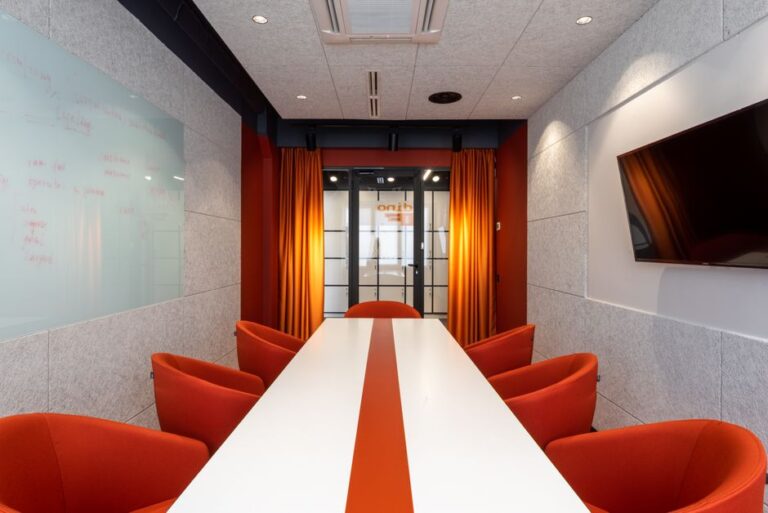

In the world of design and architecture, the advancements in technology have led to significant transformations. Among these advancements, 3D rendering services have emerged as a game changer, offering designers and clients a visual representation of projects before they come to life. This article delves into the realm of 3D rendering, exploring its benefits, applications, and the future it holds for various industries.
Understanding 3D Rendering
3D rendering is the process of generating a two-dimensional image from a three-dimensional model using computer software. This technology allows designers to create realistic images of objects, spaces, and environments, providing a clearer understanding of how the final product will look. The process involves several stages, including modeling, texturing, lighting, and rendering itself, each contributing to the overall quality of the final image.
One of the most significant advantages of 3D rendering is its ability to enhance communication between designers and clients. By providing a visual representation, clients can better understand the design concepts, leading to more informed decisions and fewer misunderstandings. This enhanced communication fosters collaboration and can ultimately lead to a more successful project outcome.
Applications of 3D Rendering Services
3D rendering services find applications across various industries, including architecture, interior design, product design, and even marketing. In the architectural realm, these services allow architects to present their designs in a realistic manner, making it easier to secure approvals from clients and stakeholders. The ability to visualize a building before it is constructed can save time and resources, as potential issues can be identified and addressed in the early stages of the design process.
In interior design, 3D rendering services enable designers to showcase different design options to clients. For instance, clients can see how various colors, materials, and furniture arrangements will look in a space, making it easier to finalize decisions. Additionally, product designers can use 3D rendering to create lifelike images of their products, allowing them to present their ideas to potential investors or customers with greater impact.
The Technology Behind 3D Rendering
The technology behind 3D rendering has evolved significantly over the years. Modern rendering software incorporates advanced algorithms and rendering techniques that produce photorealistic images. Features such as ray tracing, global illumination, and real-time rendering have transformed the quality and speed of the rendering process.
Ray tracing, for example, simulates the way light interacts with surfaces to create realistic shadows and reflections. This technique enhances the visual quality of the rendered images, making them more appealing to clients. Furthermore, real-time rendering technology allows designers to visualize changes instantly, providing a dynamic and interactive experience that was not possible in the past.
Choosing the Right 3D Rendering Service Provider
When selecting a 3D rendering service provider, it is essential to consider several factors to ensure the best results. First, evaluate the provider’s portfolio to assess the quality and style of their previous work. A diverse portfolio indicates versatility and experience in handling various types of projects.
Additionally, communication is a crucial aspect of any successful project. Ensure that the service provider is open to collaboration and feedback, as this will facilitate a smoother workflow and better outcomes. Lastly, consider the technology and software they use; modern tools can significantly enhance the quality of the final renderings.
For those interested in leveraging professional expertise, 3D rendering services can provide tailored solutions that meet specific project requirements.
The Future of 3D Rendering
The future of 3D rendering is bright, with continuous advancements in technology paving the way for even more innovative applications. The rise of virtual reality (VR) and augmented reality (AR) is set to revolutionize how clients interact with designs. Imagine walking through a virtual space before it is built or overlaying virtual elements onto the real world to see how a design fits into an existing environment.
As these technologies become more accessible, 3D rendering will likely become an integral part of the design process across various industries. Furthermore, the integration of artificial intelligence (AI) in rendering software could lead to automated processes, enhancing efficiency and reducing turnaround times.
Conclusion
3D rendering services are transforming the landscape of design and architecture, offering numerous benefits that enhance communication, decision-making, and project outcomes. With their wide range of applications and the continuous evolution of technology, it is clear that 3D rendering will play a crucial role in the future of design. By understanding the technology, exploring its applications, and choosing the right service provider, professionals can harness the full potential of 3D rendering to elevate their projects to new heights.
About the Author