
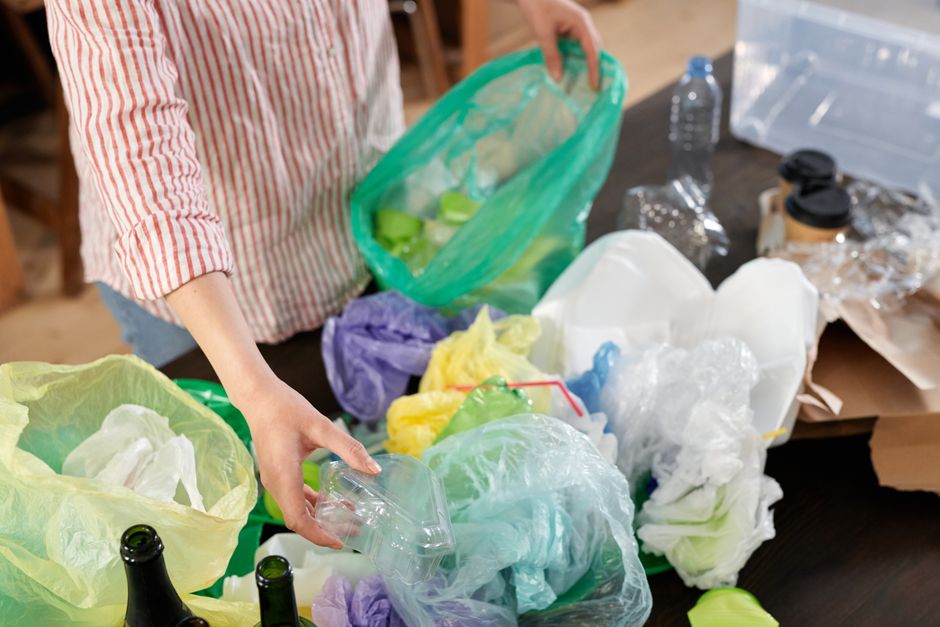
As the world grapples with the growing concerns of plastic waste, plastic recycling companies have emerged as pivotal players in the environmental sustainability movement. These companies are not just involved in recycling; they are at the forefront of innovation, developing new technologies and methods to efficiently process plastic waste. This article delves into the role of plastic recycling companies, the challenges they face, and the innovative practices that are shaping the future of the industry.
Understanding Plastic Waste and Its Impact
Plastic waste is a significant environmental issue that affects ecosystems, wildlife, and human health. According to the United Nations, approximately 300 million tons of plastic are produced each year, with a large portion ending up in landfills or the oceans. This staggering amount underscores the necessity for effective recycling systems.
Plastic recycling companies play a crucial role in mitigating these effects by converting waste into reusable materials. However, the process of recycling plastic is not straightforward. It requires advanced technologies and efficient systems to ensure that plastics are sorted, cleaned, and processed correctly.
Innovations in Plastic Recycling Technology
The landscape of plastic recycling is rapidly evolving, thanks to technological advancements. Companies are now employing innovative methods such as chemical recycling, which breaks down plastics into their original monomers, allowing them to be reused in manufacturing new products.
One notable example is the use of pyrolysis technology, which converts plastic waste into oil and gas. This method not only reduces the volume of waste but also provides an alternative source of fuel. Many plastic recycling companies are investing in such technologies to enhance their operational efficiency and sustainability.
The Role of Policy and Regulation
Government policies and regulations significantly influence the operations of plastic recycling companies. Incentives for recycling, bans on single-use plastics, and mandates for recycled content in products are some measures that can drive the industry’s growth.
In recent years, several countries have introduced stricter regulations regarding plastic waste management. For instance, the European Union has set ambitious targets for plastic recycling, aiming to recycle 50% of all plastic packaging by 2025. Such regulations not only motivate companies to adopt more sustainable practices but also create a competitive market for innovation.
Challenges Faced by Plastic Recycling Companies
Despite the progress, plastic recycling companies face numerous challenges. One of the most significant is the contamination of recyclable materials. Contaminants can severely hinder the recycling process, leading to increased costs and lower quality of recycled products. Educating consumers about proper recycling practices is essential to mitigate this issue.
Additionally, fluctuating market demand for recycled plastics can impact the economic viability of recycling operations. Companies must navigate these market dynamics while striving to maintain profitability and sustainability.
Looking Ahead: The Future of Plastic Recycling
The future of plastic recycling companies looks promising, driven by innovation and a growing commitment to sustainability. As technology continues to advance, the efficiency and effectiveness of recycling processes will improve, making it easier to manage plastic waste.
Moreover, consumer awareness and demand for sustainable practices are increasing, prompting companies to adapt and innovate. Collaborations between businesses, governments, and non-profit organizations will be crucial in creating a more sustainable future for plastic recycling.
Conclusion
Plastic recycling companies are essential in addressing the global plastic waste crisis. Through innovation, regulatory support, and consumer education, these companies can transform the way we manage plastic waste. While challenges remain, the potential for growth and positive impact on the environment is substantial. As we move forward, embracing sustainable practices and supporting the efforts of plastic recycling companies will be vital in creating a cleaner, healthier planet for future generations.
About the Author