
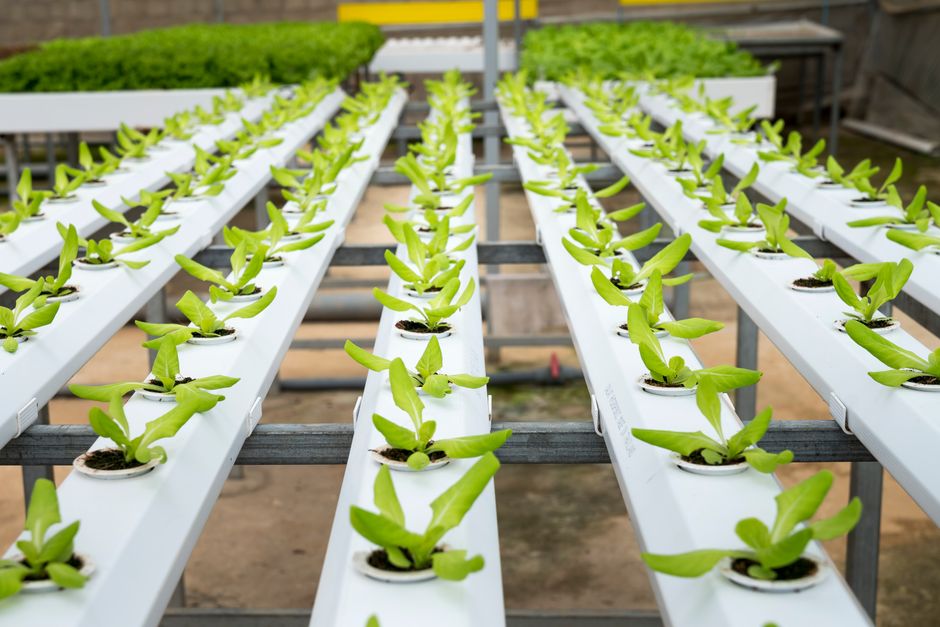
As the world increasingly turns to sustainable living, aquaponics has emerged as a revolutionary method for growing food. Combining aquaculture and hydroponics, this system allows you to cultivate plants and fish together in a symbiotic environment. For enthusiasts and beginners alike, an aquaponics kit can be a fantastic introduction to this innovative approach to gardening. In this article, we will explore the various components, benefits, and best practices for using aquaponics kits effectively.
Understanding Aquaponics Systems
Aquaponics operates on the principle of a closed-loop ecosystem. In this system, fish waste provides an organic nutrient source for the plants, while the plants help filter and purify the water for the fish. This mutualistic relationship is not only efficient but also reduces the need for chemical fertilizers and pesticides.
Typically, an aquaponics system consists of three main components: the fish tank, the grow bed, and the pump system. The fish tank is where the fish are raised, while the grow bed is where plants are cultivated. Water is circulated between these two components, ensuring that both the fish and plants thrive.
Many aquaponics kits come with all the necessary equipment to get started, including the fish tank, pumps, grow media, and even seeds. This makes it easier for beginners to dive into the world of aquaponics without needing extensive knowledge or experience.
The Benefits of Using Aquaponics Kits
One of the primary advantages of aquaponics is its sustainability. By growing both fish and plants in a compact system, you can produce food with minimal water usage compared to traditional farming methods. Studies show that aquaponics systems can use up to 90% less water than conventional agriculture.
Moreover, aquaponics systems can be set up indoors or outdoors, making them versatile for various living situations. Whether you have a sprawling backyard or a small apartment, there are aquaponics kits designed to fit your space.
Additionally, aquaponics can yield a diverse range of produce. You can grow vegetables, herbs, and fruits alongside fish, providing a well-rounded source of nutrition. The ability to produce food year-round, regardless of external weather conditions, is another significant benefit.
Choosing the Right Aquaponics Kit
When selecting an aquaponics kit, consider factors such as size, ease of assembly, and the types of plants and fish you wish to cultivate. Some kits are designed for beginners and come with step-by-step instructions, while others may require a bit more technical knowledge.
It’s also essential to consider the types of fish you want to include in your system. Tilapia, goldfish, and catfish are popular choices, each with specific care requirements. Ensure that the kit you choose can accommodate your preferred fish species and plants.
One great resource for finding a suitable aquaponics kit is aquaponics kit, which offers a variety of options tailored to different skill levels and preferences.
Common Challenges in Aquaponics
While aquaponics systems are relatively easy to maintain, they are not without challenges. One common issue is maintaining the right balance of nutrients in the water. If the nutrient levels are too low, plants may not thrive; if they are too high, it can harm the fish.
Regular monitoring of water quality is crucial. Parameters such as pH, ammonia, nitrite, and nitrate levels must be checked frequently to ensure a healthy environment for both fish and plants. Fortunately, many aquaponics kits come with water testing kits to help you keep track of these parameters.
Pest management is another challenge that aquaponics gardeners may face. Since the system is organic, chemical pesticides cannot be used. Instead, you may need to implement natural pest control methods, such as introducing beneficial insects or using organic barriers.
Getting Started with Aquaponics
Starting your aquaponics journey can be both exciting and rewarding. Begin by selecting the right kit that suits your space and goals. Once you have your kit, set it up according to the instructions provided. Be patient during the initial cycling phase, as this is when beneficial bacteria establish themselves and create a stable environment.
As your system matures, you can experiment with different types of plants and fish. Keep a journal to track your progress and learn from any mistakes. Engaging with online communities and forums can also provide valuable insights and tips from experienced aquaponics enthusiasts.
In conclusion, aquaponics kits serve as an excellent gateway to sustainable gardening. They provide a unique opportunity to produce food while conserving resources and minimizing environmental impact. Embrace this innovative method, and you will not only enjoy fresh produce but also contribute to a more sustainable future.
Conclusion
Aquaponics kits offer a practical solution for those looking to engage in sustainable food production. By understanding the components, benefits, and challenges of aquaponics, you can create a thriving ecosystem that yields both plants and fish. With the right kit and a bit of dedication, you can embark on a rewarding journey toward self-sufficiency and sustainable living.
About the Author