
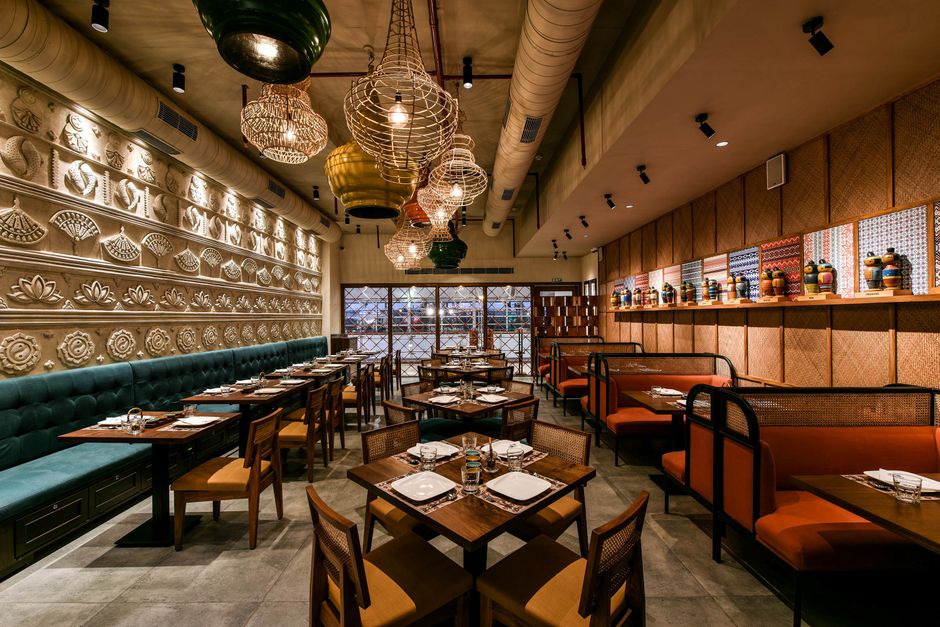
In the competitive world of dining, the importance of a well-thought-out restaurant interior design cannot be overstated. The ambiance, layout, and decor not only enhance the dining experience but also play a crucial role in attracting and retaining customers. This article delves into the various aspects that contribute to effective restaurant interior design and how they can impact a restaurant’s success.
The Role of Interior Design in Customer Experience
When guests walk into a restaurant, their first impression is often shaped by the interior design. Factors such as color schemes, furniture styles, and lighting can evoke certain emotions and set the tone for the meal. For instance, warm colors can create a cozy atmosphere, while bright colors can energize and excite. Research shows that customers are more likely to spend time—and money—in restaurants that provide a welcoming and aesthetically pleasing environment.
Moreover, the layout of the restaurant is critical. An open layout might encourage social interaction, while a more segmented design can provide intimacy for couples and small groups. Understanding the target demographic can help in crafting a space that aligns with their preferences, enhancing their overall experience.
Essential Elements of Restaurant Interior Design
There are several key elements that constitute effective restaurant interior design. First, the choice of furniture plays a significant role. It should not only be comfortable but also reflect the restaurant’s theme. For example, a high-end dining establishment may opt for plush seating, while a casual eatery might choose simpler, more durable options.
Lighting is another crucial element. It can dramatically alter the mood of a space. Soft, dim lighting can create a romantic ambiance, while bright lights can make a space feel lively and energetic. The use of natural light is also advantageous; restaurants with large windows or skylights tend to attract more customers during the day.
Additionally, decor elements such as artwork, plants, and signage contribute to the overall aesthetic. Unique decor can set a restaurant apart from competitors and create memorable experiences for diners. For instance, many restaurants are now embracing local artists by showcasing their work on the walls, creating a sense of community and connection.
Trends in Restaurant Interior Design
The restaurant industry is constantly evolving, and so are the trends in interior design. One of the most notable trends is sustainability. Many restaurants are now incorporating eco-friendly materials and practices into their designs. This not only appeals to environmentally conscious consumers but also contributes to a unique brand identity.
Another trend is the incorporation of technology. Smart technologies, such as tablet menus and contactless payment systems, are becoming increasingly popular. These innovations can enhance the dining experience by providing convenience and efficiency.
Furthermore, outdoor dining spaces have surged in popularity, especially in the wake of the pandemic. Restaurants are investing in outdoor patios and gardens, allowing patrons to enjoy their meals in a fresh, open-air environment. This trend not only expands seating capacity but also creates a unique dining atmosphere.
Creating a Cohesive Brand Identity Through Design
A restaurant’s interior design should reflect its brand identity and values. Every element, from the color palette to the furniture style, should align with the overall concept of the restaurant. For example, a farm-to-table restaurant might incorporate rustic elements such as reclaimed wood and earthy colors to emphasize its commitment to sustainability.
Moreover, consistency in design across all locations of a chain restaurant can strengthen brand recognition. Customers should be able to identify a brand’s aesthetic regardless of which location they visit. This cohesive branding can foster customer loyalty and enhance the overall dining experience.
Conclusion
In conclusion, restaurant interior design is a vital component that influences customer experiences and overall business success. By carefully considering factors such as layout, color, lighting, and decor, restaurant owners can create inviting spaces that attract and retain customers. As the industry continues to evolve, staying abreast of design trends and incorporating innovative elements will be crucial for restaurants aiming to stand out in a crowded market. For those looking to delve deeper into the intricacies of restaurant interior design, understanding these principles can lead to a more successful and memorable dining experience.
About the Author