
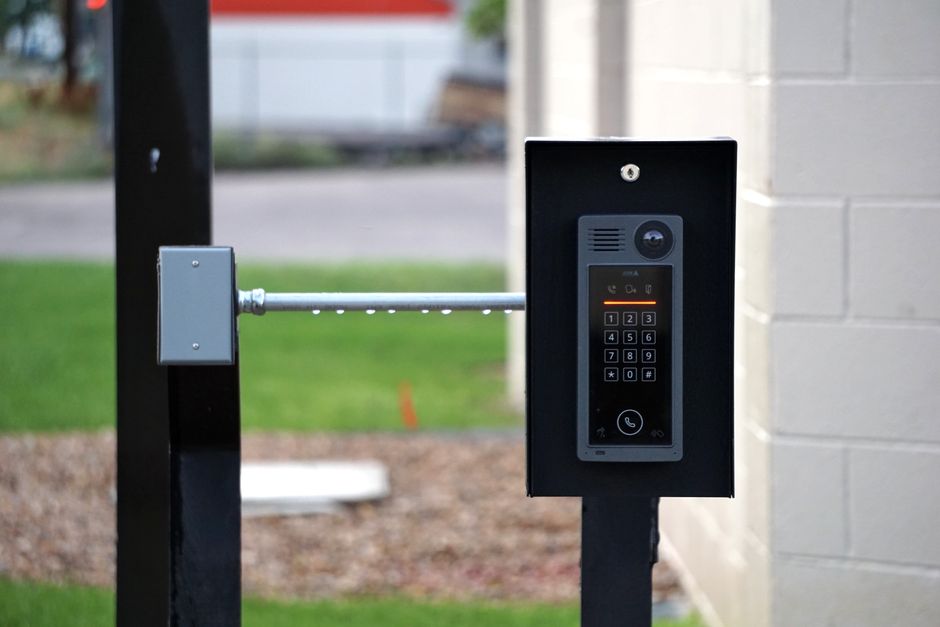
In an ever-evolving digital landscape, securing sensitive information and ensuring that only authorized personnel can access critical resources has become paramount. This is where access control systems come into play. They serve as the first line of defense against unauthorized access, protecting everything from physical spaces to digital assets. In this article, we will explore the various types of access control systems, their implementations, benefits, and the future of access control in an increasingly interconnected world.
What is an Access Control System?
An access control system is a method used to manage who can access specific resources or areas. These systems can be physical, such as locks and security personnel, or digital, involving software and electronic methods. The primary goal is to ensure that only authenticated individuals can enter designated areas or access confidential information.
At its core, an access control system operates on the principles of identification, authentication, and authorization. Identification is the process of recognizing a user, while authentication verifies that the user is who they claim to be. Finally, authorization determines whether the identified and authenticated user has permission to access a specific resource.
Types of Access Control Systems
There are several types of access control systems, each with its unique features and applications. The most common types include:
- Discretionary Access Control (DAC): In DAC systems, resource owners have the discretion to grant or restrict access to their resources. This model is highly flexible but can become complex in larger organizations.
- Mandatory Access Control (MAC): MAC systems enforce strict access policies determined by a central authority. Users cannot change access levels, which adds an additional layer of security.
- Role-Based Access Control (RBAC): RBAC assigns access rights based on user roles within an organization. This model simplifies management and enhances security by ensuring that users only have access to the information necessary for their role.
- Attribute-Based Access Control (ABAC): ABAC takes a more dynamic approach by granting access based on user attributes, resource attributes, and environmental conditions. This allows for more granular access control.
Each of these systems has its advantages and disadvantages, and organizations must carefully assess their needs and security requirements before choosing an appropriate model.
Benefits of Implementing Access Control Systems
The implementation of effective access control systems offers numerous benefits, including:
- Enhanced Security: By limiting access to sensitive areas or information, organizations can significantly reduce the risk of data breaches and unauthorized access.
- Compliance: Many industries are subject to regulations that mandate specific access controls to protect sensitive information. Implementing these systems helps organizations comply with such regulations.
- Improved Accountability: Access control systems often come with logging features that track who accessed what and when. This creates an audit trail that can be invaluable in investigations or compliance audits.
- Operational Efficiency: By automating access control processes, organizations can reduce administrative overhead and streamline operations.
Furthermore, the integration of advanced technologies such as biometrics and machine learning can enhance the effectiveness of access control systems. For example, biometric systems can provide a higher level of security by ensuring that only authorized individuals can gain access.
Challenges in Access Control Implementation
Despite the many benefits, implementing access control systems is not without its challenges. Some common issues organizations face include:
- Cost: The initial investment for setting up a robust access control system can be significant, especially for large organizations with complex needs.
- Complexity: As organizations grow, managing access rights can become increasingly complicated, leading to potential security gaps if not handled properly.
- User Resistance: Employees may resist changes to established access protocols, particularly if they perceive them as cumbersome or restrictive.
To mitigate these challenges, organizations should invest in training and awareness programs to educate employees about the importance of access control and establish clear policies for managing access rights.
The Future of Access Control Systems
As technology continues to evolve, so too will access control systems. Emerging trends include:
- Cloud-Based Solutions: Many organizations are moving to cloud-based access control systems, which offer flexibility and scalability while reducing the need for on-premises hardware.
- Artificial Intelligence: AI can enhance access control by analyzing user behavior and identifying anomalies that may indicate security threats.
- Integration with IoT: As the Internet of Things (IoT) expands, access control systems will need to integrate with a growing number of devices, requiring more sophisticated management tools.
These innovations will not only improve security but also create more seamless experiences for users, further emphasizing the importance of access control systems in our daily lives.
Conclusion
In conclusion, access control systems play a critical role in safeguarding sensitive information and ensuring that only authorized individuals can access valuable resources. By understanding the various types of access control systems, their benefits, and the challenges involved in their implementation, organizations can make informed decisions that enhance their security posture. As technology continues to advance, the future of access control holds exciting possibilities, making it an essential area for ongoing investment and improvement. For a deeper understanding of specific access control methodologies, consider exploring the comprehensive insights available on access control system.
About the Author