
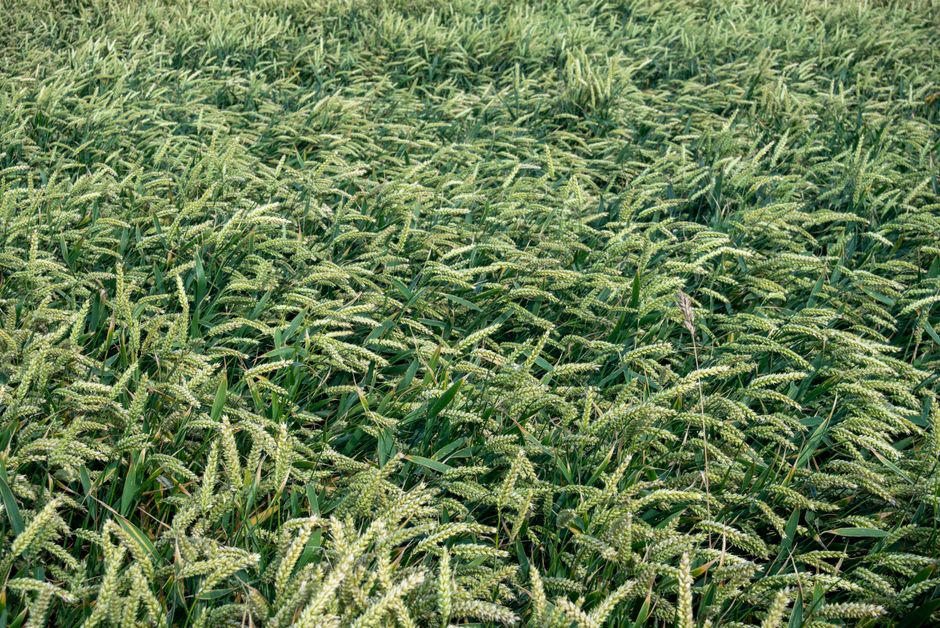
In an era where climate change and unpredictable weather patterns threaten agricultural productivity, the importance of crop insurance cannot be overstated. Farmers face numerous risks, from droughts to floods, and having a safety net in place is crucial for sustaining their livelihoods. This article delves into the concept of crop insurance, its significance, types, benefits, and the challenges involved in its implementation.
What is Crop Insurance?
Crop insurance is a risk management tool that provides financial protection to farmers against the loss of their crops due to natural disasters or unforeseen events. By transferring the financial risk to an insurance company, farmers can ensure some level of income stability even in adverse conditions. In many countries, crop insurance is often subsidized by the government, making it more accessible for farmers.
The primary objective of crop insurance is to mitigate the financial impacts of crop failure. According to the U.S. Department of Agriculture, over 90% of U.S. farmers rely on some form of crop insurance to protect their investments. This highlights the critical role crop insurance plays in the agricultural sector.
Types of Crop Insurance
There are generally two main types of crop insurance: Actual Production History (APH) insurance and Revenue Protection (RP) insurance. APH insurance compensates farmers based on their historical yields, while RP insurance offers coverage based on the farmer’s expected revenue, taking into account both yield and price fluctuations.
Additionally, there are specialized insurance products tailored for specific crops or regions. For instance, in areas prone to drought, insurance products may include features that provide extra coverage during dry seasons. This specialization allows farmers to select insurance options that best meet their specific needs and circumstances.
Benefits of Crop Insurance
One of the most significant benefits of crop insurance is that it helps stabilize farmers’ incomes. In times of crop failure, farmers can receive compensation that enables them to cover their operating expenses, such as loan payments and equipment costs. This financial cushion can prevent many from going into debt or losing their farms.
Moreover, crop insurance encourages farmers to invest in their farms, knowing they have a safety net. For example, a farmer might be more inclined to invest in high-quality seeds or advanced technology if they know they have crop insurance to protect against potential losses. This investment can lead to improved yields and better overall farm productivity.
Challenges in Implementing Crop Insurance
Despite its benefits, crop insurance faces several challenges. One of the primary issues is the complexity of insurance policies, which can be difficult for farmers to understand. Many farmers are not aware of the different types of coverage available, leading to underinsurance or lack of coverage altogether.
Additionally, the cost of premiums can be a barrier, especially for small-scale farmers. While subsidies can help, there are still numerous farmers who find the premium costs prohibitive. This creates a gap in coverage that can leave many vulnerable to financial losses.
The Future of Crop Insurance
As the agricultural landscape continues to evolve, so too must crop insurance policies. With advancements in technology and data analytics, insurers have the opportunity to develop more tailored and effective insurance products. For instance, satellite imagery and weather data can improve risk assessment and pricing, allowing for more accurate insurance plans.
Furthermore, as climate change poses new threats to agriculture, crop insurance will need to adapt. Policies that account for the increasing frequency of extreme weather events will become essential. In this regard, collaboration between farmers, insurers, and policymakers will be vital to ensure that crop insurance remains a robust safety net for the agricultural community.
About the Author