
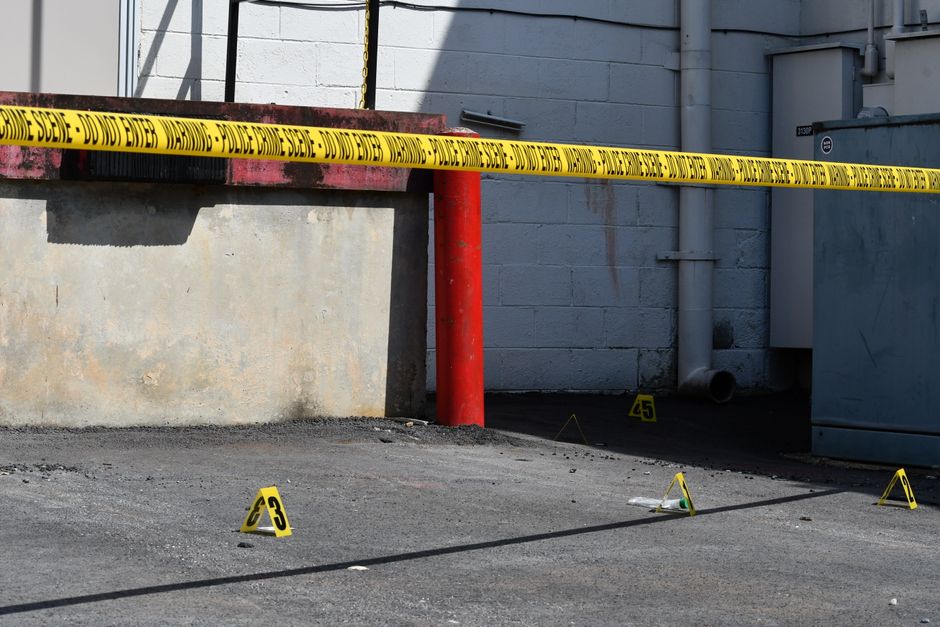
Crime scene cleanup is a crucial yet often overlooked aspect of law enforcement and public safety. When a crime occurs, the aftermath can leave behind physical evidence, hazardous materials, and emotional trauma. The process of cleaning up these scenes is not just about removing visible traces; it involves meticulous attention to detail and adherence to strict safety protocols. In this article, we will explore the various facets of crime scene cleanup, its significance, and the professional standards involved.
The Role of Crime Scene Cleanup Professionals
Crime scene cleanup professionals are trained individuals who handle the aftermath of criminal incidents. Their primary responsibility is to restore the scene to a safe and habitable condition. This involves the removal of biohazardous materials, such as blood and other bodily fluids, which can pose serious health risks. According to the Centers for Disease Control and Prevention (CDC), exposure to such materials can lead to infections and diseases. Therefore, the expertise of these professionals is essential.
In addition to health risks, crime scene cleanup experts must also navigate the emotional toll that such environments can have on victims’ families. They approach their work with empathy and discretion, ensuring that families can begin to heal without the burden of dealing with the aftermath of a traumatic event. Their role is not only technical but also deeply human.
Legal and Regulatory Framework
The crime scene cleanup industry is governed by various laws and regulations that ensure the safety of both workers and the public. In the United States, OSHA (Occupational Safety and Health Administration) sets forth guidelines for handling hazardous materials, which are often present in crime scenes. Compliance with these regulations is mandatory for cleanup companies to operate legally.
Moreover, crime scene cleanup companies must also be aware of state and local laws regarding the disposal of biohazardous waste. Improper disposal can lead to legal repercussions and pose a threat to public health. As such, reputable companies prioritize compliance and maintain certifications that demonstrate their commitment to safety and legality.
Techniques and Equipment Used in Crime Scene Cleanup
Effective crime scene cleanup requires specialized techniques and equipment. Professionals utilize a variety of cleaning agents designed to neutralize pathogens and eliminate odors. For instance, enzymatic cleaners are often employed to break down organic matter, while industrial disinfectants ensure thorough sanitation.
In addition to cleaning agents, personal protective equipment (PPE) is crucial for the safety of cleanup crews. This includes gloves, masks, and protective clothing that shield workers from exposure to harmful substances. The proper use of PPE not only protects the workers but also ensures that the cleanup process does not inadvertently contaminate surrounding areas.
The Emotional Impact of Crime Scene Cleanup
The emotional toll of crime scene cleanup extends beyond the physical aspects of the job. Cleanup professionals often encounter traumatic scenes that can affect their mental well-being. As a result, many companies provide their staff with psychological support and training to cope with the challenges of the job.
Moreover, the families of victims may also experience profound grief and trauma. Understanding this emotional landscape is vital for cleanup professionals, who must handle their work with care and sensitivity. By providing support and maintaining professionalism, they contribute to the healing process for those affected by the tragedy.
Conclusion
In conclusion, crime scene cleanup is an essential service that plays a critical role in public safety and the healing process following traumatic events. The work of cleanup professionals goes beyond mere sanitation; it encompasses legal compliance, emotional support, and technical expertise. As we recognize the importance of this field, it is vital to ensure that these professionals are equipped with the necessary training and resources to perform their duties effectively. For more information on the standards and practices of crime scene cleanup, readers can explore further resources that highlight the significance of this crucial work.
About the Author