
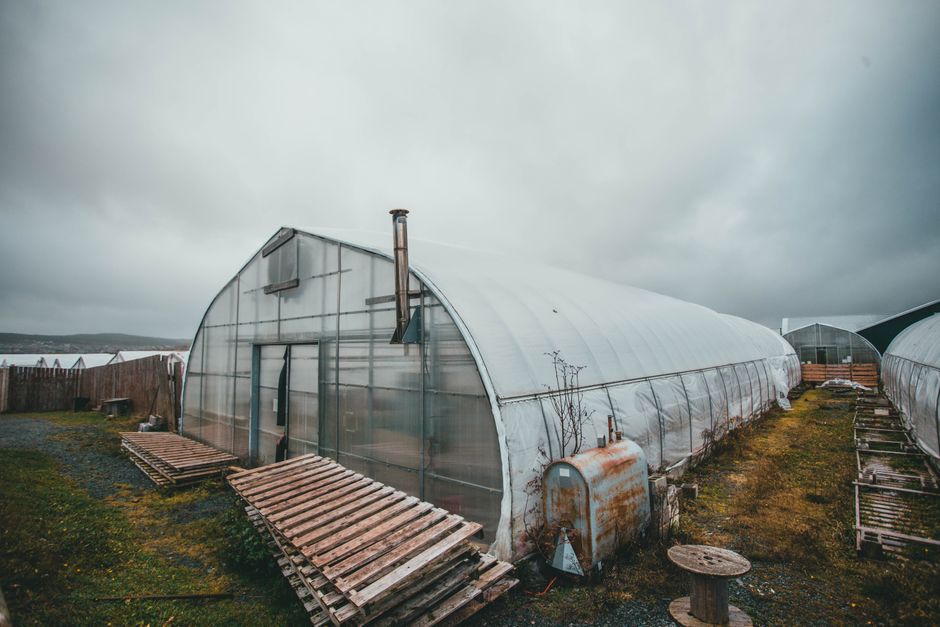
The world of agriculture is undergoing a significant transformation, and one of the key players in this evolution is greenhouse technology. As the demand for fresh produce increases, greenhouse equipment has become essential for farmers and horticulturists alike. This article delves into the various types of greenhouse equipment available, their benefits, and how they can enhance crop production.
Understanding Greenhouse Equipment
Greenhouse equipment encompasses a wide range of tools and technologies designed to create an optimal environment for plant growth. This includes everything from heating and cooling systems to irrigation and lighting solutions. Understanding the specific equipment necessary for your greenhouse can significantly impact your crop yields and overall productivity.
For instance, climate control systems help maintain a stable temperature and humidity level, which is crucial for plant development. Without these systems, fluctuations in environmental conditions can lead to stress on plants, resulting in poor growth and reduced harvests.
The Importance of Climate Control
Climate control is one of the most critical aspects of greenhouse management. Proper temperature regulation ensures that plants thrive in their environment. Without adequate heating systems during colder months or cooling systems during the summer, crops can suffer from heat stress or frost damage.
In addition to temperature, humidity levels also play a vital role in plant health. High humidity can foster diseases, while low humidity can lead to dehydration. Utilizing greenhouse equipment such as humidifiers or dehumidifiers can help maintain optimal conditions for plant growth.
Irrigation Systems: Keeping Your Plants Hydrated
Irrigation systems are another essential component of greenhouse equipment. Proper watering is crucial for plant health, and automated irrigation systems can save time and labor. These systems can be programmed to deliver precise amounts of water at scheduled intervals, ensuring that plants receive consistent hydration.
Drip irrigation, for example, is a highly efficient method that minimizes water waste by delivering water directly to the plant roots. This not only conserves water but also helps prevent diseases caused by overly wet foliage.
Lighting Solutions for Year-Round Growth
Lighting is another critical factor in greenhouse management. Natural sunlight is often insufficient, especially during winter months or in regions with limited sunlight. Therefore, supplemental lighting is essential for promoting photosynthesis and ensuring healthy plant growth.
LED grow lights have gained popularity due to their energy efficiency and ability to replicate the light spectrum needed for various plants. By strategically placing these lights in your greenhouse, you can extend the growing season and enhance crop yield.
Choosing the Right Tools for Your Greenhouse
When selecting greenhouse equipment, it is essential to consider your specific needs and the types of crops you plan to grow. Investing in high-quality equipment can lead to better management of your greenhouse environment, resulting in higher productivity and profitability.
Furthermore, staying informed about the latest advancements in greenhouse technology can help you make better purchasing decisions. Many manufacturers offer innovative solutions that cater to the unique challenges faced by modern growers.
Conclusion: Maximizing Your Greenhouse Potential
In conclusion, greenhouse equipment plays a vital role in modern agriculture. By investing in the right tools and technologies, growers can create an optimal environment for their crops, leading to higher yields and improved quality. Understanding the importance of climate control, irrigation, lighting, and efficient tools can help you maximize the potential of your greenhouse and ensure successful harvests for years to come.
About the Author