
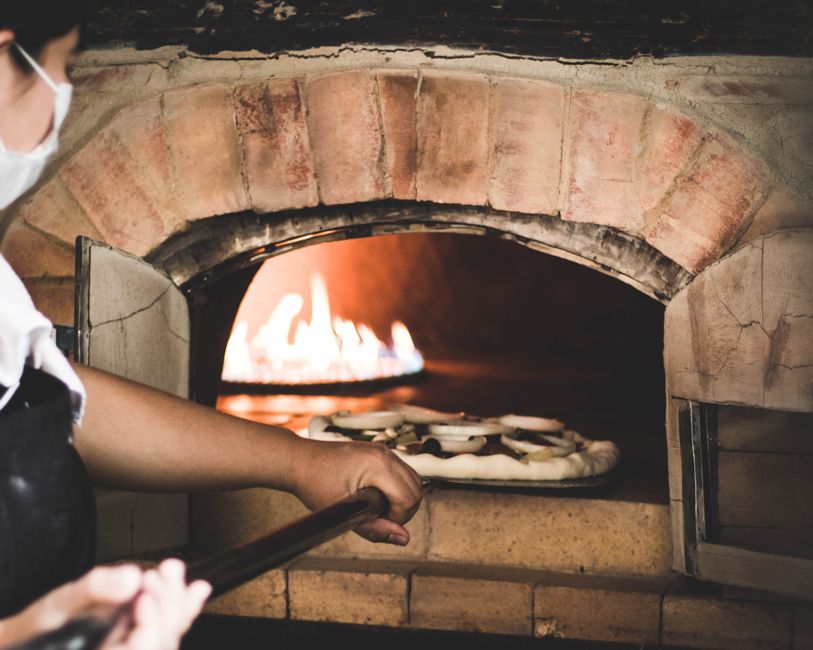
Handmade pizza is not just a meal; it is an experience that encapsulates the essence of culinary craftsmanship. The aroma of freshly baked dough, the vibrant colors of fresh vegetables, and the savory blend of cheeses create a symphony of flavors that tantalizes the taste buds. This article delves into the art of making handmade pizza, exploring its history, the ingredients that make it special, and tips for achieving the perfect pie at home.
History of Handmade Pizza
The origins of pizza can be traced back to ancient civilizations, but the modern version we enjoy today began to take shape in Naples, Italy, in the late 18th century. Initially a simple flatbread topped with tomatoes and cheese, it quickly gained popularity among locals. Today, handmade pizza is celebrated worldwide for its diverse styles and flavors.
In the early 1900s, Italian immigrants brought their pizza-making traditions to the United States. This led to the creation of various regional styles, including New York thin crust and Chicago deep-dish. Each style has its own unique characteristics, but the common thread is the dedication to quality ingredients and the handmade process.
As pizza evolved, it became a canvas for creativity, with chefs experimenting with toppings and techniques. Handmade pizza allows for personalization, where each cook can put their own spin on this beloved dish. Whether it’s the choice of sauce, cheese, or toppings, the possibilities are endless.
Essential Ingredients for Handmade Pizza
The foundation of any great pizza starts with the dough. Traditional pizza dough consists of flour, water, yeast, and salt. The quality of these ingredients is crucial. For example, using high-protein flour can yield a chewier crust, while low-protein flour may result in a softer texture. Many pizza enthusiasts also recommend using a sourdough starter for added flavor and depth.
Next, the sauce: a classic marinara made from San Marzano tomatoes is a favorite among purists. However, experimentation with pesto, white sauce, or even barbecue sauce can lead to exciting flavor combinations. Fresh herbs like basil or oregano can elevate the sauce, adding freshness and aroma.
The cheese selection is equally important. While mozzarella is the go-to choice for most, combining it with provolone, ricotta, or even goat cheese can create a complex flavor profile. It is essential to use fresh ingredients, as they contribute to the overall taste and texture of the pizza.
Techniques for Making the Perfect Handmade Pizza
Creating the perfect handmade pizza requires both technique and patience. The first step is to properly knead the dough. This process develops gluten, which gives the crust its structure. After kneading, the dough should be allowed to rise for at least an hour, or until it has doubled in size.
Shaping the dough is another crucial step. Traditionalists often use their hands to stretch the dough into a circle, while others may use a rolling pin. Regardless of the method, it is essential to avoid overworking the dough, which can lead to a tough crust.
When it comes to baking, the temperature matters. A pizza stone or steel can help achieve a crispy crust by mimicking the intense heat of a traditional pizza oven. Preheating your oven to the highest setting, usually around 500°F (260°C), is key to achieving that perfect bake. Be sure to keep an eye on the pizza as it bakes, as cooking times can vary based on the oven and thickness of the crust.
Popular Toppings and Flavor Combinations
The beauty of handmade pizza lies in its versatility. Classic toppings like pepperoni, mushrooms, and bell peppers remain popular, but the rise of gourmet pizzas has introduced a plethora of unique combinations. Ingredients such as arugula, prosciutto, and figs can turn a simple pizza into a gourmet meal.
For those looking to experiment, consider a white pizza topped with ricotta, spinach, and garlic, or a barbecue chicken pizza with red onions and cilantro. The key is to balance flavors and textures, ensuring that all ingredients complement each other.
Don’t forget about the finish! A drizzle of high-quality olive oil or balsamic glaze just before serving can elevate the flavors and add an extra layer of sophistication to your handmade pizza.
Conclusion: Elevating Your Pizza Experience
Handmade pizza is more than just food; it is an art form that combines history, quality ingredients, and personal creativity. Whether you are a seasoned chef or a home cook, mastering the craft of handmade pizza can be incredibly rewarding. With the right techniques and a willingness to experiment, you can create delicious pizzas that impress family and friends.
As you embark on your pizza-making journey, remember that the process is just as enjoyable as the end result. From kneading the dough to selecting toppings, each step allows you to express your culinary passion. So, gather your ingredients, roll up your sleeves, and start creating your own masterpieces at home. And if you ever find yourself in need of inspiration, don’t hesitate to explore options like LUXURY 777 for unique flavor ideas.
About the Author