
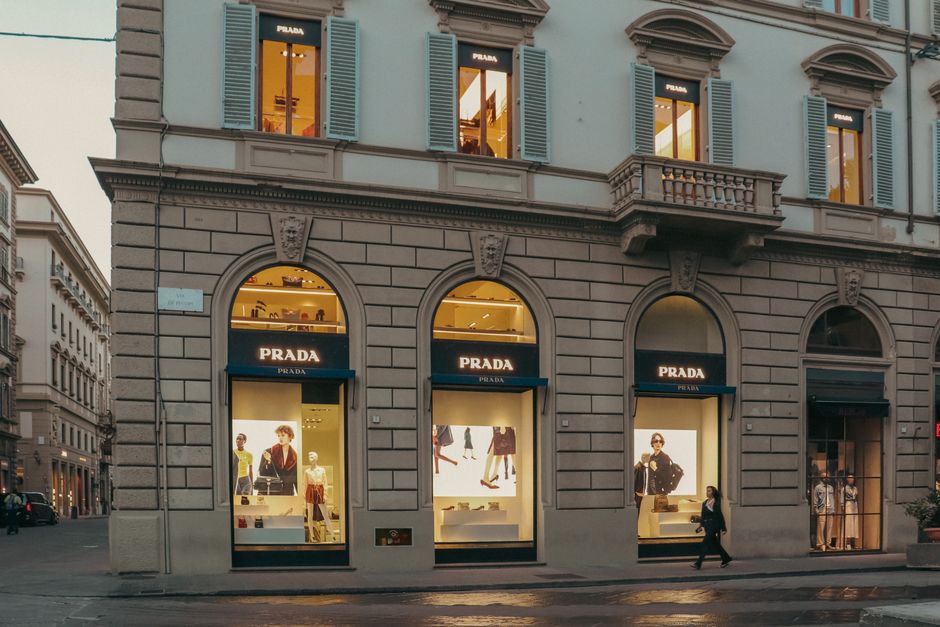
The luxury market is experiencing a significant transformation as the demand for high-end goods continues to evolve. With the rise of online shopping and social media, luxury brand resellers are becoming an increasingly important part of the fashion ecosystem. These resellers provide access to exclusive items that may otherwise be hard to find, catering to a growing demographic of consumers who value both quality and sustainability.
Understanding the Luxury Brand Reseller Concept
Luxury brand resellers are individuals or businesses that buy and sell high-end products, often from prestigious brands. This practice has gained popularity as consumers seek unique pieces that reflect their personal style without paying full retail prices. The concept of resale is not new; however, the digital age has brought about a surge in platforms where these transactions can take place.
Many luxury brand resellers operate through online marketplaces, social media, or dedicated websites, allowing them to reach a broader audience. According to recent studies, the global second-hand luxury market is expected to reach $64 billion by 2024, reflecting a significant growth trend that emphasizes the changing attitudes towards luxury consumption.
The Benefits of Buying from Luxury Brand Resellers
One of the main advantages of purchasing from luxury brand resellers is the potential cost savings. Consumers can find items that are gently used or even new at a fraction of their original price. This is particularly appealing in a world where sustainability is becoming a priority, as buying second-hand reduces waste and promotes a circular economy.
Additionally, resellers often curate their selections, offering unique finds that are not available in traditional retail stores. This curation process gives consumers access to rare items that can enhance their wardrobe while supporting a more sustainable shopping model. For instance, a luxury brand reseller may specialize in vintage designer handbags, offering pieces that are not only stylish but also carry a sense of history.
The Challenges Faced by Luxury Brand Resellers
Despite the benefits, the luxury brand resale market is not without its challenges. One significant issue is the potential for counterfeit products. As the market grows, so does the risk of fake items being sold as genuine luxury goods. Resellers must be diligent in verifying the authenticity of the products they sell to maintain their reputation and ensure customer satisfaction.
Furthermore, competition among resellers can be fierce. With many players entering the market, standing out becomes crucial. Successful resellers often develop a unique brand identity or specialize in specific types of luxury goods to differentiate themselves from the competition. For example, a reseller may focus exclusively on high-end streetwear, appealing to a niche market and establishing themselves as an authority in that area.
How to Choose a Reliable Luxury Brand Reseller
When purchasing luxury items from resellers, consumers should take several factors into consideration to ensure a positive experience. Firstly, researching the reseller’s reputation is essential. Online reviews, social media presence, and customer testimonials can provide valuable insights into the reliability of the seller.
Additionally, consumers should look for resellers that offer clear return policies and guarantees of authenticity. A trustworthy reseller will be transparent about the condition of the items they sell and provide detailed descriptions, including any flaws or signs of wear. This transparency helps build trust and encourages repeat business.
For those looking to explore the world of luxury brand reselling, platforms like luxury brand reseller websites can be a great starting point. These platforms often feature a wide range of items from various brands, making it easier for consumers to find the perfect addition to their collection.
The Future of Luxury Brand Reselling
As consumer preferences shift towards sustainability and individualism, the future of luxury brand reselling looks bright. More and more consumers are recognizing the value of purchasing second-hand items, leading to increased demand for resellers. Brands themselves are beginning to embrace this trend, with some launching their own resale platforms or partnering with existing ones.
In conclusion, luxury brand resellers are playing a crucial role in the modern fashion landscape. They provide consumers with access to high-quality goods while promoting sustainable practices. As the market continues to grow, both consumers and resellers stand to benefit from this evolving dynamic.
About the Author