
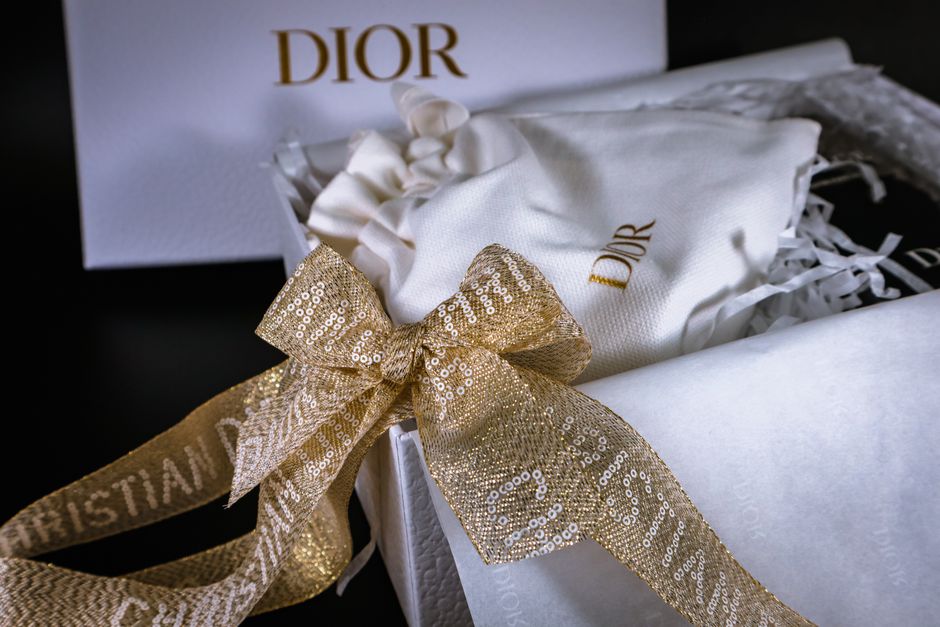
In recent years, the phenomenon of luxury brand reselling has gained significant traction, transforming the way consumers access high-end fashion and accessories. The allure of owning luxury items, coupled with the rise of the digital marketplace, has created a thriving ecosystem for resellers. This article explores the dynamics of luxury brand reselling, its implications for consumers and brands, and the future of this burgeoning market.
Understanding the Luxury Resale Market
The luxury resale market is not a new concept, but it has evolved dramatically with the advent of online platforms and social media. Resellers play a crucial role in this ecosystem by sourcing authentic luxury items from various channels, including individual sellers, estate sales, and even brand partnerships. As of 2023, the global luxury resale market is projected to reach $64 billion, indicating a growing acceptance of pre-owned luxury goods among consumers.
Many consumers are now more inclined to purchase second-hand luxury items due to their sustainability benefits and lower price points. This shift in consumer behavior has prompted luxury brands to reconsider their strategies regarding second-hand sales. While some brands have embraced this trend, others remain hesitant, fearing it may dilute their brand image.
The Role of Technology in Reselling
Technology has played a pivotal role in the rise of luxury brand resellers. Platforms such as The RealReal, Poshmark, and Vestiaire Collective have made it easier for resellers to connect with buyers and authenticate luxury items. These platforms use advanced technology, including AI and machine learning, to ensure the authenticity of products, which is paramount in the luxury market.
Furthermore, social media platforms like Instagram and TikTok have revolutionized how resellers market their products. Influencers and resellers showcase their items to a broader audience, creating demand and driving sales. This direct engagement with consumers allows resellers to build a loyal customer base and establish their brand identity.
Challenges Faced by Luxury Brand Resellers
Despite the growing opportunities, luxury brand resellers face several challenges. One significant concern is the issue of authenticity. With counterfeit products flooding the market, resellers must implement rigorous authentication processes to maintain consumer trust. Failure to do so can result in severe repercussions, including legal issues and loss of reputation.
Additionally, resellers must navigate the complexities of pricing. Determining the right price for pre-owned luxury items can be challenging, as it depends on various factors such as the item’s condition, rarity, and current market demand. Resellers need to stay informed about market trends and consumer preferences to set competitive prices.
Consumer Trends and Preferences
Understanding consumer trends is vital for luxury brand resellers. Today’s consumers are increasingly conscious about sustainability and ethical consumption. Many are drawn to the idea of purchasing second-hand luxury items as a more eco-friendly alternative to fast fashion. According to a recent survey, 70% of luxury consumers stated that they would consider purchasing pre-owned items if they were certified authentic.
Moreover, the demographic of luxury consumers is shifting. Millennials and Gen Z are becoming more prominent in the luxury market, often prioritizing experiences over material possessions. This generation values brands that align with their values, including sustainability and social responsibility, making it essential for resellers to adapt their marketing strategies accordingly.
The Future of Luxury Reselling
The future of luxury brand reselling looks promising as consumer demand continues to grow. Brands are increasingly recognizing the potential benefits of engaging with the resale market. Some luxury labels have even launched their own resale platforms, allowing them to maintain control over their brand image while tapping into the lucrative second-hand market.
As the market evolves, we can expect to see more collaboration between luxury brands and resellers. This partnership approach could lead to innovative solutions for sustainability and consumer engagement. Additionally, advancements in technology will likely play a crucial role in enhancing the resale experience, making it more efficient and trustworthy for consumers.
In conclusion, the luxury brand reseller market is on an upward trajectory, fueled by changing consumer attitudes and technological advancements. For those looking to enter this space, understanding the nuances of the market and staying ahead of trends will be essential. As this sector continues to grow, it opens up new opportunities for both resellers and consumers alike.
Conclusion
The luxury brand reseller market is redefining the traditional notions of luxury ownership. As consumers increasingly embrace the idea of sustainable and accessible luxury, resellers are positioned to thrive in this evolving landscape. By understanding consumer preferences, leveraging technology, and maintaining a commitment to authenticity, luxury brand resellers can continue to succeed and shape the future of luxury shopping.
About the Author