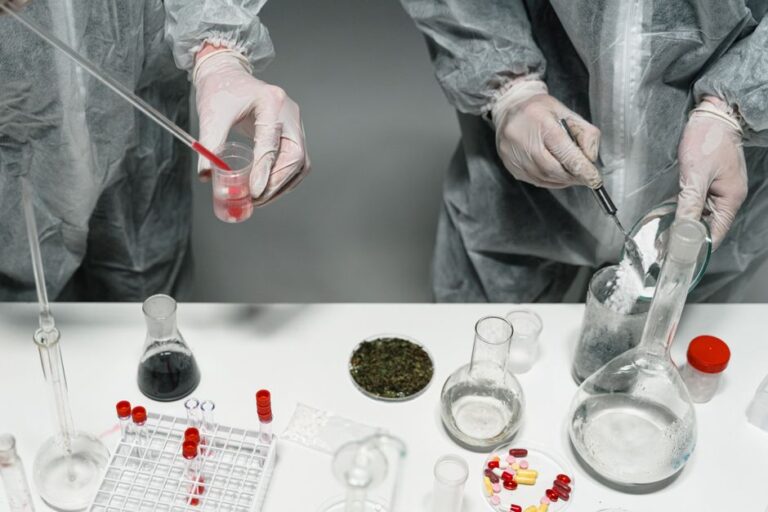
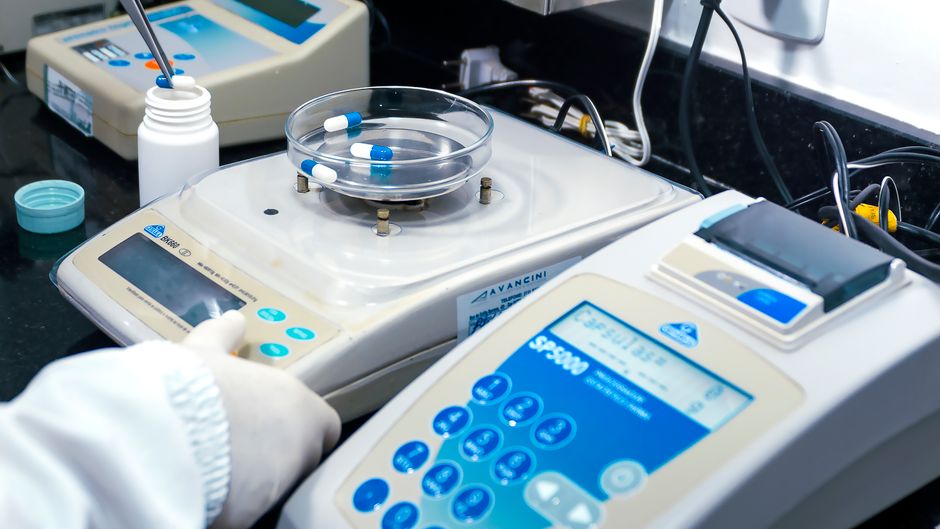
In a world where workplace safety and employee well-being are paramount, drug testing services have emerged as a critical component of organizational policies. These services not only help in maintaining a drug-free environment but also enhance productivity and reduce liabilities. As companies strive to create a safe work atmosphere, understanding the various aspects of drug testing services becomes increasingly essential.
What Are Drug Testing Services?
Drug testing services refer to the processes and protocols used to detect the presence of illegal substances or prescription medications in an individual’s system. These services can be implemented in various settings, including workplaces, schools, and rehabilitation centers. The testing can be performed through various methods such as urine, blood, saliva, or hair analysis, each offering different levels of detection capabilities and timelines.
Organizations utilize these services for several reasons, including pre-employment screening, random testing, and post-accident assessments. According to the Substance Abuse and Mental Health Services Administration (SAMHSA), approximately 70% of substance abusers are employed, making drug testing an invaluable tool for employers.
The Benefits of Implementing Drug Testing Services
Implementing drug testing services provides numerous benefits that can significantly impact an organization’s overall health and productivity. Firstly, it promotes a safer workplace environment. By identifying employees who may be under the influence of drugs, companies can reduce the risk of accidents and injuries that may arise from impaired performance.
Moreover, drug testing can lead to decreased healthcare costs. Employers who maintain a drug-free workplace often experience lower rates of workplace injuries, which in turn reduces the frequency and cost of insurance claims. A study by the National Council on Alcoholism and Drug Dependence indicated that businesses implementing drug testing policies saw a reduction in absenteeism and an increase in overall employee morale.
Challenges and Considerations in Drug Testing
Despite the benefits, organizations must navigate several challenges when implementing drug testing services. One major concern is ensuring the privacy and rights of employees. It is crucial for companies to establish clear policies that outline the testing process and ensure compliance with legal requirements. Failure to do so can lead to potential legal repercussions and damage employee trust.
Additionally, the accuracy of drug testing methods can vary. False positives and negatives can occur, leading to potential disputes and dissatisfaction among employees. Therefore, it is essential for organizations to choose reputable drug testing services that utilize reliable methodologies.
Choosing the Right Drug Testing Service
When selecting a drug testing service, organizations should consider several factors. Firstly, it is important to evaluate the service provider’s accreditation and reputation. Look for companies that are certified by recognized bodies and have a history of reliability.
Another critical factor is the range of testing options available. Different industries may require different testing methods, so selecting a provider that offers a comprehensive suite of options can be beneficial. For example, some organizations may prefer drug testing services that include hair follicle testing for long-term drug use detection, while others may opt for more immediate methods like urine testing.
Future Trends in Drug Testing Services
The landscape of drug testing services is continually evolving. With advancements in technology, we are seeing the emergence of more sophisticated testing methods that provide faster and more accurate results. Innovations such as mobile testing units and instant testing kits are becoming increasingly popular, allowing organizations to conduct tests on-site with minimal disruption.
Furthermore, as attitudes toward certain substances, such as marijuana, continue to shift, drug testing policies may need to adapt accordingly. Organizations are beginning to reevaluate their stance on certain drugs, especially in states where legalization has occurred. This trend will likely lead to a more nuanced approach to drug testing in the workplace.
Conclusion
In conclusion, drug testing services play a vital role in maintaining a safe and productive workplace. By understanding the various aspects of these services, organizations can make informed decisions that not only protect their employees but also enhance their operational efficiency. As the workplace continues to evolve, staying updated on trends and best practices in drug testing will be essential for all businesses.
About the Author